
Planting
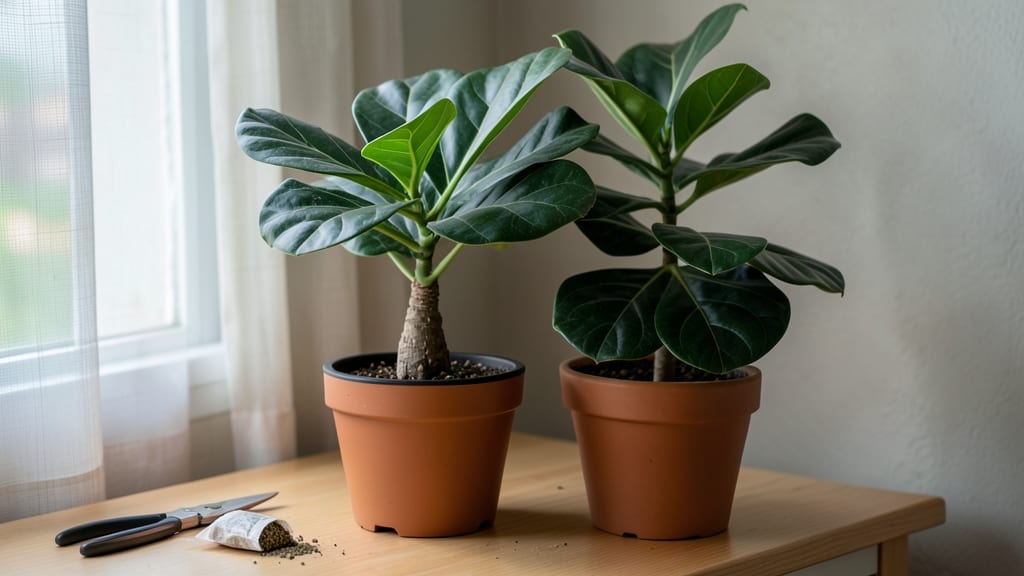
Transplanting a ficus tree feels like moving a stubborn houseplant—except this time, you’re doing it right. 🌿 The key isn’t brute force but timing, soil prep, and handling those roots like the delicate network they are.
My first attempt left a sad, yellowing leaf trail behind, but I’ve since perfected a method that keeps ficus trees thriving through the transition.
Start with the right tools: a pot or hole 2-3 inches wider than the root ball, fresh potting mix (or well-draining garden soil), and a sharp knife for trimming stubborn roots. For indoor ficus, spring or early summer gives them time to recover before winter dormancy.
Outdoor varieties need a cloudy day to avoid transplant shock from sun exposure. The secret? Water the plant thoroughly 24 hours before moving—roots glide out of the old pot instead of tearing.
You’ll know it’s working when new growth appears within 4-6 weeks, and those glossy leaves stay vibrant instead of wilting. Ficus trees reward patience with sturdy stems and lush foliage that outlasts most houseplants.
The trick is keeping soil moist (not soggy) for the first month and avoiding drafts or direct sunlight until they’ve settled in.
Indoor ficus? Stick to repotting every 2-3 years. Outdoor types? Choose a permanent spot—they hate being moved again. Avoid these mistakes: over-trimming roots, skipping the root check for pests, or ignoring the plant’s natural light needs.
With this method, even my black thumb ficus now grows like it owns the place.
📚 In This Guide
- What you need
- Instructions
- Tips and common mistakes
- Wrapping up and next steps
What you need
- ● New pot: 1-2 inches wider and deeper than the current container (ensure drainage holes!)
- ● High-quality potting mix: 3-5 gallons (use a well-draining blend for ficus, like a mix of peat, perlite, and compost)
- ● Pruning shears: 1 pair (sterilized with rubbing alcohol)
- ● Garden trowel or spade: 1 (for digging and lifting)
- ● Watering can or hose: 1 (with a gentle spray nozzle)
- ○ Root stimulator (optional but helpful): 1 bottle (follow label instructions)
- ○ Mulch (optional): 1-2 inches of bark or coconut coir (to retain moisture)
- ● Choose a well-draining soil—ficus trees hate soggy roots!
- ● Pick a spot with bright, indirect light (avoid harsh sunlight post-transplant).
- ● Water your ficus 1-2 days before transplanting to reduce shock.
- ● If repotting outdoors, wait for mild weather (spring or early fall is ideal).
Step-by-step instructions for transplanting a ficus tree
This is how I move my ficus without shocking the roots—every time.
🪴 Step 1: Prepare the New Location
Choose a spot with bright, indirect light—ficus trees hate harsh afternoon sun or deep shade. Measure the new hole to be twice as wide as the root ball and just as deep. I always dig a bit wider than the pot to give roots room to spread without circling.
Loosen the soil at the bottom of the hole with a garden fork—this prevents compaction that can strangle roots. Mix the removed soil with 2 inches of compost from your materials list to enrich it. Ficus trees love well-draining soil, so avoid heavy clay unless you’re amending it well.
🌱 Step 2: Gently Remove the Tree from Its Current Pot
Water the ficus 24 hours before transplanting—this keeps the root ball intact and easier to handle. Turn the pot sideways and tap the rim firmly on a flat surface until the tree slides out. If it resists, run a knife around the inside edge to loosen the root ball.
Inspect the roots—if you see any circling or tightly bound roots, gently tease them apart with your fingers. This prevents future girdling, which can kill the tree over time. Wrap the root ball in a burlap sack if it’s large and fragile; this protects it during transport.
☀️ Step 3: Plant with Care and Support
Place the ficus in the hole so the top of the root ball sits level with the surrounding soil—never bury the trunk. Backfill with the amended soil, pressing gently but not compacting it. I like to add a 1-inch layer of mulch around the base (but not touching the trunk) to retain moisture and regulate temperature.
Stake the tree if it’s tall or top-heavy—ficus trees can be unstable after transplanting. Use two stakes on opposite sides, tied loosely with soft plant ties. Water deeply right after planting to settle the soil and remove any air pockets around the roots.
💧 Step 4: Monitor and Adjust for Recovery
Keep the soil evenly moist but not soggy for the first 4-6 weeks—this is critical for root establishment. You’ll know it’s too wet if the mulch stays damp for more than a day. Reduce watering slightly once new growth appears, as mature ficus trees are drought-tolerant once settled.
Watch for signs of stress: yellowing leaves or leaf drop are normal for the first week or two, but if it persists beyond that, the tree may need more light or less water. Prune any damaged branches after transplanting to redirect energy to root growth.
Tips & tricks for transplanting a ficus tree
Here's what I've learned after moving several ficus trees without losing one—these small details make all the difference.
Root Ball Preservation: The 24-hour watering before transplanting is non-negotiable. I've tried skipping it, and the root ball always crumbles when I go to remove the tree. If your ficus is particularly stubborn to remove, place the pot in a basin of warm water for 10 minutes before trying again—this loosens the roots without damaging them. For large trees, consider using a root pruning knife to carefully slice around the root ball before removal.
Soil Preparation Secret: When mixing the removed soil with 2 inches of compost, I like to add a handful of perlite or coarse sand to improve drainage. Ficus trees hate soggy roots, and this small addition prevents future waterlogging issues. If your native soil is heavy clay, consider amending it with up to 50% coconut coir or peat moss to create a more ideal growing medium.
Staking Strategy: For trees taller than 4 feet, I always use three stakes instead of two—one in the center and two on opposite sides. This creates a more stable triangle support system. Use soft plant ties or even old pantyhose cut into strips to avoid damaging the bark. The goal is to provide support without restricting growth.
Post-Transplant Care: During those critical 4-6 weeks, I check moisture by sticking my finger 2 inches into the soil. If it feels dry at that depth, it's time to water. For indoor ficus trees, I place a humidity tray underneath the pot to mimic their tropical origins. You'll know you're doing it right when you see new growth within 6-8 weeks.
Pro Tips for Transplant A Ficus Tree
- Here's what I've learned after moving several ficus trees without losing one—these small details make all the difference.
- Root Ball Preservation: The 24-hour watering before transplanting is non-negotiable.
- Soil Preparation Secret: When mixing the removed soil with 2 inches of compost, I like to add a handful of perlite or coarse sand to improve drainage.
Frequently asked questions
Got questions about transplanting your ficus tree? You’re not alone—this process can feel tricky, but we’ve got answers! Here are some of the most common concerns to help you feel confident before digging in.
When is the best time to transplant a ficus tree?
The ideal time is late winter or early spring (before new growth starts) or early fall. Avoid transplanting during extreme heat or cold—your ficus will thank you with faster recovery! If you’re moving an indoor ficus, do it during its dormant phase (winter) for less stress.
How do I know if my ficus tree is ready for transplanting?
Watch for root-bound signs: roots circling the pot, water draining too quickly, or roots growing out of drainage holes. If your ficus is outgrowing its container or dropping leaves due to crowding, it’s time. For mature trees, transplant every 2–3 years; younger ones may need it annually.
Should I water my ficus before or after transplanting?
Water it 1–2 days before to reduce root shock—slightly moist (not soggy) soil makes roots easier to handle. Skip watering for 3–5 days after transplanting to let wounds heal. Then, water lightly to settle soil around roots. Overwatering post-transplant is a common mistake!
Can I transplant a ficus tree in summer? What are the risks?
Summer transplants are risky due to heat stress, but if you must, do it on a cloudy day and keep the tree in partial shade for 2–4 weeks. Risks include leaf drop, wilting, or root burn. If your ficus is small or potted, wait for cooler weather—patience pays off!
What if my ficus loses leaves after transplanting?
Leaf drop is normal—it’s your ficus’s way of conserving energy while roots adjust. Don’t panic! Keep the tree in bright, indirect light, avoid fertilizing for 4–6 weeks, and maintain moderate humidity. Most ficus trees rebound within 4–8 weeks if given proper care.
How big of a pot should I choose for my transplanted ficus?
Size up by 2–4 inches in diameter (or depth) from the current pot. For mature ficus trees, aim for a container that’s 10–15% larger than the root ball. Drainage holes are a must! Avoid oversized pots—too much empty soil can lead to root rot from excess moisture.
Wrapping up and next steps
Transplanting your ficus tree doesn’t have to be stressful—just follow these steps, and you’ll be rewarded with a thriving, lush plant! 🌱 Remember, patience and preparation are key, whether you’re relocating it indoors or outdoors.
Now that you’re armed with the know-how, take that next step: schedule your transplant on a cloudy day or early morning to give your ficus the best possible start.
Your green thumb is about to shine—happy planting! 🌿