
Pruning
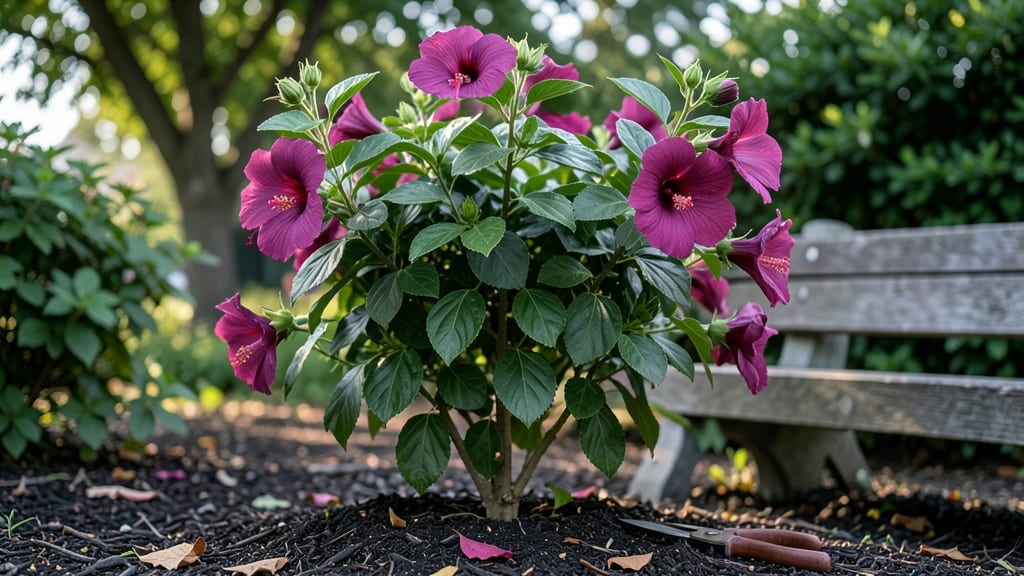
The Rose of Sharon tree thrives in the Pacific Northwest's mild climate, offering stunning blooms from summer through fall—and sometimes even into winter with the right care.
I've grown mine for five years, and every June, I watch as the first trumpet-shaped flowers burst open, turning my yard into a magnet for hummingbirds. The secret isn't complicated: it's about matching its needs to the region's natural rhythms, from soil prep to strategic pruning.
This hardy hibiscus loves well-draining soil and at least 6 hours of sunlight daily, though it tolerates partial shade better than many trees. Water deeply once a week after establishment, and you'll reward it with bold, five-petal blooms in shades of pink, purple, or white.
The key to year-round interest? Pruning in late winter to shape the tree and encourage fresh growth—something I learned the hard way after my first overzealous trim left it looking like a porcupine.
By midsummer, your tree will be covered in blooms, with each flower lasting 3-5 days before giving way to the next wave. The foliage stays lush and green even in cooler months, making it a standout focal point in any garden.
Once established, it's surprisingly low-maintenance—just watch for Japanese beetles and powdery mildew, which can be managed with simple organic sprays.
Perfect for urban gardens, mixed borders, or as a standalone specimen, this tree adapts beautifully to the PNW's wet winters and dry summers. With the right approach, you'll enjoy its dramatic blooms for decades—I've seen neighbors' trees thriving for 30 years with minimal care.
Ready to make yours the talk of the neighborhood?
📚 In This Guide
- What you need
- Instructions
- Tips and common mistakes
- Wrapping up and next steps
What you need
- ● Pruning shears: Sharp, bypass-style shears (for clean cuts on smaller branches). Size: 6–8 inches.
- ● Loppers: For thicker branches (1–2 inches in diameter). Look for: Long handles (24–30 inches) for leverage.
- ○ Pruning saw: Optional but helpful for branches thicker than 2 inches. Type: Curved blade for smooth cuts.
- ● Rubbing alcohol (70%+) or bleach solution: 1 part bleach to 9 parts water (to sterilize tools between cuts).
- ● Gloves: Heavy-duty gardening gloves (to protect from thorns and rough bark).
- ● Tarp or drop cloth: To catch debris and keep your workspace clean.
- ● Weather check: Prune on a dry, overcast day (avoid frost or extreme heat).
- ● Safety gear: Safety glasses (in case of debris) and closed-toe shoes.
- ● Tree assessment: Study your tree’s structure beforehand—identify dead, crossing, or overcrowded branches.
- ● Disposal plan: Have a trash bag or compost bin ready for pruned branches (check local regulations for fire hazards!).
- ● Sharpen your tools! Dull blades tear wood, inviting disease. 🔪✨
- ● Mark your cuts: Use tape or chalk to outline where you’ll prune before making the first slice.
- ● Clean as you go: Wipe tools with rubbing alcohol after every 3–4 cuts to prevent spreading bacteria.
Step-by-Step instructions for planting and caring for Rose of Sharon in the Pacific Northwest
This hardy shrub thrives in our cool, wet climate with the right placement and care.
🌱 Step 1: Select and Prepare the Planting Site
Choose a location with full sun to partial shade—at least 6 hours of direct sunlight daily—though Rose of Sharon tolerates afternoon shade better than morning sun in our region. The Pacific Northwest's mild summers mean it won't scorch like in hotter climates, but afternoon shade prevents leaf burn.
Test your soil's drainage by digging a 12-inch deep hole and filling it with water. If it doesn't drain within 30 minutes, amend with 3 inches of compost and 2 inches of coarse sand to improve aeration. The shrub hates soggy roots, which are common in our heavy clay soils.
Here's the thing—this plant's root system spreads wide, so space 10-15 feet between plants if you're creating a hedge. In smaller gardens, a single specimen makes a stunning focal point. I always mark the planting area with stakes before digging to avoid misjudging the space.
🪴 Step 2: Plant at the Right Depth and Water Thoroughly
Dig your planting hole twice as wide as the root ball but no deeper—Rose of Sharon roots need room to spread horizontally. Gently remove the plant from its container and loosen any circling roots with your fingers. You'll see how compacted they often are after nursery shipping.
Place the shrub so the top of the root ball sits 1-2 inches above ground level. Backfill with native soil mixed with 2 cups of bone meal for phosphorus to encourage strong root growth. Water deeply until the soil 12 inches down feels saturated, then let it drain completely before watering again.
Don't skip the bone meal—it's crucial for establishing roots in our acidic Pacific Northwest soils. I always water twice: once immediately after planting to settle the soil, then again 3 days later to prevent transplant shock. The first year is critical for root development.
☀️ Step 3: Establish Watering and Fertilizing Routines
For the first 6-8 weeks, keep the soil consistently moist—1-2 inches deep—by watering 2-3 times weekly during our typically dry summers. Once established, Rose of Sharon becomes drought-tolerant, but young plants need consistent moisture. You'll know it's time to reduce watering when new leaves appear 2-3 inches long and stay firm when gently pinched.
Apply a balanced 10-10-10 fertilizer in early spring and again after flowering. I use 1/4 cup per plant spread evenly around the root zone. In fall, switch to a low-nitrogen, high-phosphorus fertilizer to support next year's blooms. Our Pacific Northwest's mild winters mean you can fertilize right up until the first frost.
Real talk: Over-fertilizing causes weak growth and fewer flowers. I've seen it happen when gardeners get excited about our long growing season. Stick to the recommended amounts—this plant rewards restraint with spectacular blooms.
✂️ Step 4: Prune for Shape and Encourage Blooms
Prune immediately after flowering in late summer to shape the shrub and promote next year's blooms. Remove 1/3 of the oldest stems at the base to rejuvenate the plant. Cut back any leggy growth to 1/3 of its length—this encourages bushier growth and more flower clusters.
Here's where it gets fun: You can train Rose of Sharon into a small tree by selecting 1-2 strong central stems and removing all others at the base. The remaining stems will thicken and develop a trunk-like appearance over time. I've seen stunning specimen trees created this way in Portland gardens.
Never prune in fall or winter—our cool, damp climate invites fungal diseases through fresh cuts. Always use sterilized pruners and make cuts just above a outward-facing bud. The new growth will follow that bud's direction, creating a naturally shaped plant.
⏰ Step 5: Winterize for Pacific Northwest Conditions
Rose of Sharon handles our winters beautifully with minimal care. In zones 7-9 (which covers most of the PNW), no winter protection is needed. However, if you're in a colder microclimate or had an unusually harsh winter, apply 2-3 inches of mulch around the base after the first frost to insulate roots.
I always remove any dead or diseased branches in late winter—this prevents fungal spores from spreading when new growth starts. The shrub's natural hardiness means you won't need to worry about frost damage unless you're in a particularly exposed location. In fact, our cool winters often result in more abundant spring blooms than in warmer climates.
This is the moment that matters: Watch for new growth in early spring—it's your signal that the plant survived winter and is ready for another spectacular bloom season. Our Pacific Northwest gardeners know this plant's secret: it thrives on our mild winters and long growing season.
Tips & tricks for perfect Rose of Sharon tree care
These targeted insights will help you navigate the unique challenges of growing this Pacific Northwest favorite.
Site Selection Strategy: When evaluating sunlight in Step 1, prioritize locations with morning sun and afternoon shade—this mimics our region's natural light patterns. I've found that east-facing spots provide ideal conditions without the intense afternoon heat that can stress the plant. Pay special attention to microclimates near buildings or fences, which can create unexpected shade patterns throughout the day.
Drainage Test Precision: The 30-minute drainage test in Step 1 is non-negotiable for our heavy soils. If your test hole drains too slowly, consider creating a raised bed rather than just amending—this provides better long-term drainage. I've seen cases where gardeners amended once but didn't account for how our clay compacts over time, leading to root rot within two years.
Root Development Focus: In Step 2, the bone meal is your secret weapon for establishing roots in our acidic soils. Spread it evenly in the planting hole and mix it thoroughly with the native soil. For container-grown plants, you might need up to 4 cups of bone meal since roots are more concentrated. The key is phosphorus—this is what triggers the root hairs that absorb water and nutrients efficiently in our wet climate.
Watering Transition: That 3-day gap between waterings in Step 2 is crucial for preventing transplant shock. Use your finger to check soil moisture—it should feel damp 1-2 inches down but not soggy. I've noticed that our Pacific Northwest's frequent drizzle can make it easy to overwater without realizing it, so always err on the dry side during the first critical weeks.
Pro Tips for Rose Of Sharon Tree
- These targeted insights will help you navigate the unique challenges of growing this Pacific Northwest favorite.
- Site Selection Strategy: When evaluating sunlight in Step 1, prioritize locations with morning sun and afternoon shade—this mimics our region's natural light patterns.
- Drainage Test Precision: The 30-minute drainage test in Step 1 is non-negotiable for our heavy soils.
Frequently asked questions
Got questions about keeping your Rose of Sharon (Hibiscus syriacus) thriving in the Pacific Northwest? Here are answers to the most common ones—so you can enjoy those stunning blooms all year!
How often should I prune my Rose of Sharon tree?
Prune your Rose of Sharon once a year, ideally in late winter or early spring (February–March). This encourages new growth and maximizes summer-to-fall blooms. Avoid heavy pruning after mid-August—it can stunt flowering for the next season. For dramatic shaping, you can do a second light trim in early spring.
Does a Rose of Sharon survive PNW winters?
This hardy tree thrives in USDA Zones 5–9, making it perfect for the Pacific Northwest. While it’s deciduous (loses leaves in winter), it’s cold-resistant down to -20°F (-29°C). Just ensure it’s planted in well-draining soil and mulched in colder months to protect roots.
Can I prune too much? What are the signs?
Yes! Over-pruning can stress the tree, leading to fewer blooms or stunted growth. Watch for bare branches, yellowing leaves, or no flowers by summer. If you’ve cut back more than 1/3 of the foliage, give it time to recover. Always leave at least 3–5 strong branches for structure.
Why isn’t my Rose of Sharon blooming?
Common culprits include:
- Lack of sunlight: Needs 6+ hours of sun daily.
- Over-fertilizing with nitrogen: Too much = leafy growth, no flowers.
- Late pruning: Prune before new growth starts in spring.
- Age: Young trees (3–5 years) may bloom lightly.
What’s a good alternative if I want year-round color?
If you love Rose of Sharon’s long blooms but want variety, consider:
- Weigela – Bright flowers, early spring blooms.
- Crapemyrtle – Summer-to-fall flowers, drought-tolerant.
- Viburnum – Some varieties bloom spring + fall.
- Hollyhock – Adds vertical interest and seasonal color.
Wrapping up and next steps
The Rose of Sharon tree is a stunning, low-maintenance gem for the Pacific Northwest, offering year-round interest with its vibrant blooms and resilient nature. By mastering pruning techniques—like the late-winter cutback or seasonal shaping—you’ll unlock a cascade of color that thrives in your climate.
Whether you’re a seasoned gardener or just starting, this tree rewards patience with months of beauty and minimal fuss.
Ready to transform your space? Grab your tools, sketch a quick plan, and start pruning this spring! Your future blooms will thank you—literally. 🌸✂️