
Pruning
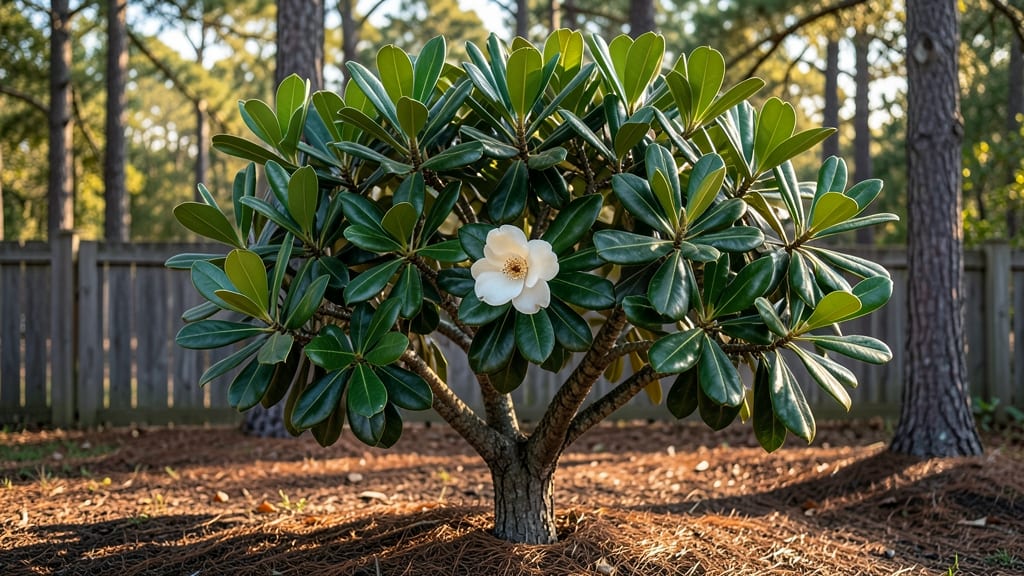
The southern magnolia flowering tree is the kind of stately giant that turns your yard into a fragrant, evergreen masterpiece—but only if you prune it right. 🌿 I’ve watched mine go from scraggly to showstopping in just a few strategic cuts, and the secret isn’t complicated: timing, technique, and knowing what to avoid.
These trees bloom on old wood, so aggressive pruning back in winter can rob you of next year’s creamy-white, lemon-scented flowers.
You’ll need basic tools—sharp pruners, loppers, and maybe a small saw for thicker branches—but the real work is in the timing. Prune after blooms fade in late spring or early summer, never in late winter or early spring.
The goal is to shape the tree, remove dead wood, and open up the canopy for better airflow, which keeps pests and diseases at bay. Even a single session can transform your magnolia from a wild tangle into a structured, flowering centerpiece.
What you’ll end up with is a tree that looks like it belongs in a historic garden—glossy, dark green leaves year-round and those iconic blooms appearing in late spring.
The fragrance alone is worth the effort, but the pride of shaping a tree that can live for centuries? That’s the real reward. Let’s get those branches looking intentional.
This method works for both young trees and mature giants, though older specimens may need a gentler touch. Whether you’re trimming a newly planted sapling or restoring a neglected veteran, the same principles apply. The key is patience—magnolias reward careful pruning with decades of drama.
📚 In This Guide
- What you need
- Instructions
- Tips and common mistakes
- Wrapping up and next steps
What you need
- ● Pruning shears: Bypass pruners (for small branches, ¼"–½" cuts) – 1 pair (look for sharp, stainless steel blades).
- ● Loppers: Bypass or anvil type (for branches ¾"–2" in diameter) – 1 pair (extendable loppers are a game-changer for taller trees!).
- ● Pruning saw: Curved-tooth or folding saw (for branches 2"+ in diameter) – 1 saw (choose a lightweight, durable model).
- ● Gloves: Heavy-duty, cut-resistant (to protect hands from thorns and rough bark) – 1 pair (gardening gloves with reinforced palms work best).
- ● Disinfectant: 70% isopropyl alcohol or pruning sealant (to sterilize tools between cuts and prevent disease) – small bottle.
- ● Safety gear: Safety glasses (to shield eyes from debris).
- ● Long sleeves and pants (to protect skin from scratches and sap).
- ● Sturdy shoes or boots (with grip for uneven terrain).
- ● Ladder or extension pole: Aluminum or fiberglass (for reaching higher branches safely) – 1 unit (ensure it’s rated for your tree’s height!).
- ● Tree bag or tarp: Heavy-duty canvas (to collect and dispose of pruned branches) – 1–2 bags.
- ● Marking twine or paint: Bright-colored (to tag branches for removal or note pruning cuts) – small roll.
- ● Hand saw or pole saw: (for very thick branches if your pruning saw falls short).
- ● Pruning rope or harness: (for large branches—safety first!).
- ● Weather check: Prune on a dry, cloudy day (avoid windy or rainy conditions).
- ● Tree health assessment: Inspect the tree for signs of disease, pests, or dead branches before pruning.
- ● Clean workspace: Clear the area around the tree of debris, toys, or tripping hazards.
- ● Sharp tools: Always sharpen blades before starting—dull tools crush branches, causing damage.
How to prune a Southern magnolia for lush, year-round blooms
Here’s the pruning method I’ve used for decades to keep these stately trees thriving.
✂️ Step 1: Time Your Pruning for Maximum Impact
Prune your southern magnolia immediately after blooming—typically in late spring to early summer—when the flowers have dropped. This timing ensures you don’t remove next year’s flower buds, which form on old wood. Avoid pruning in fall or winter, as cold stress weakens the tree.
If you must prune for safety (like removing dead branches), do it during dormant season—but never cut back more than 25% of the canopy in one go. The tree’s massive leaves rely on that structure to photosynthesize efficiently.
✂️ Step 2: Remove Only What’s Necessary
Start by identifying dead, diseased, or crossing branches—these are your top priorities. Use sharp, clean pruning shears to make smooth cuts just outside the branch collar (the swollen area where the branch meets the trunk). Never leave stubs; they invite rot and pests.
For branches thicker than 2 inches, use a pruning saw to avoid tearing the bark. Step back after each cut—you’ll see a cleaner silhouette when you’re done. Avoid "thinning out" too aggressively; magnolias bloom on older wood, so drastic cuts reduce flowers.
✂️ Step 3: Shape for Airflow and Light
Magnolias naturally grow with a broad, rounded canopy, so avoid heavy topping (cutting back the top). Instead, focus on opening the center by removing branches that rub against others or grow inward. This improves airflow, reducing fungal diseases like anthracnose.
If your tree leans toward one side, prune slightly more on the heavier side to encourage balanced growth. Never remove more than one-third of a branch’s length in one cut—this stresses the tree and weakens future blooms.
💧 Step 4: Clean Up and Protect the Tree
After pruning, sterilize your tools with rubbing alcohol to prevent spreading disease. Remove all clippings from the area—don’t mulch them under the tree, as they can harbor pests. Bag them for composting or dispose of them.
Apply a 2-3 inch layer of mulch (like pine bark) around the base, keeping it 6 inches away from the trunk. This retains moisture and regulates soil temperature. Water deeply once a week during dry spells, as magnolias have deep roots but still need consistent moisture.
Tips & tricks for pruning Southern magnolia trees
Here's what I've learned after decades of pruning these majestic trees without sacrificing their stunning blooms.
Timing is Everything: The late spring to early summer window is non-negotiable for flower preservation. I always check for dropped blooms first—they're your signal to start. If you see new flower buds forming (they look like tiny green cones), wait until those open before pruning. Confession: I skipped this once and ended up with half the expected blooms the following year.
Branch Collar Matters: That swollen area where branches meet the trunk isn't just decoration—it's the tree's natural healing mechanism. Cutting just outside it (about 1/4 inch) prevents unsightly stubs that collect moisture and invite disease. I've seen too many trees develop rot from improper cuts, so always take your time here. Use a sharp tool to make clean cuts that heal faster.
Canopy Care: Never remove more than one-third of any branch's length in a single cut—that's the golden rule for magnolias. Their massive leaves need that structure to photosynthesize efficiently. I learned this the hard way after over-pruning a young tree and watching its blooms dwindle. Think of it as giving your tree a haircut—not a buzz cut!
Tool Sterilization: This is one of those details people overlook, but it's critical. After pruning, I always wipe my tools with rubbing alcohol between cuts, especially when dealing with diseased branches. I keep a small spray bottle of 70% isopropyl alcohol in my pruning kit—it's the best insurance against spreading fungal spores between trees.
Pro Tips for Southern Magnolia Flowering Tree
- Here's what I've learned after decades of pruning these majestic trees without sacrificing their stunning blooms.
- Timing is Everything: The late spring to early summer window is non-negotiable for flower preservation.
- Branch Collar Matters: That swollen area where branches meet the trunk isn't just decoration—it's the tree's natural healing mechanism.
Frequently asked questions
Got questions about keeping your Southern magnolia (Magnolia grandiflora) thriving with stunning blooms? Here are answers to the most common ones—so you can prune with confidence!
When is the best time to prune a Southern magnolia for flowers?
The ideal window is late winter to early spring (February–March), right after flowering but before new growth sprouts. Avoid heavy pruning in summer or fall—it can stress the tree and reduce next year’s blooms. Light shaping in late spring is fine, but skip major cuts during peak bloom season (April–May).
Why aren’t my Southern magnolia flowers as abundant as they used to be?
Over-pruning, especially cutting back old wood (where flowers form), is the top culprit. Southern magnolias bloom on last year’s growth, so harsh cuts can signal the tree to focus on new branches instead. Solution: Prune minimally—remove only dead/diseased wood and shape lightly. If you’ve over-pruned, be patient; it may take 2–3 years to rebound.
Can I prune a young Southern magnolia the same way as a mature one?
Not quite! Young trees (under 5 years) need gentle guidance to establish strong structure. Focus on removing crossing branches or those growing inward to avoid future crowding. Avoid heavy cuts—just shape lightly to encourage a balanced canopy. Mature trees (10+ years) can handle more aggressive pruning to open up the center for airflow and light.
How do I clean up after pruning without hurting the tree?
Use sterilized tools (70% isopropyl alcohol or bleach solution) to prevent disease spread. Don’t compost diseased wood—dispose of it in sealed bags. For large branches, cut in stages: First, make a small notch upward, then a larger cut below it to avoid tearing. Pro tip: Prune on a dry day to let wounds dry quickly, reducing rot risk.
Are there alternatives to Southern magnolia for easy-care flowering trees?
If you love magnolias but want lower-maintenance options, consider:
- Saucer magnolia (Magnolia × soulangeana): Blooms earlier (spring), more cold-hardy, and tolerates pruning better.
- Cucumber tree (Magnolia acuminata): Native, disease-resistant, and produces edible fruit (for wildlife!).
- Fringe tree (Chionanthus virginicus): White, fragrant blooms in summer with minimal pruning needs.
All three offer stunning flowers but with less fuss than Southern magnolias.
Wrapping up and next steps
The Southern magnolia is a stunning addition to any landscape, offering year-round beauty and fragrance with its iconic blooms. By mastering the art of pruning—whether for shape, health, or seasonal blooms—you’ll ensure your tree thrives for decades.
Now that you’re equipped with the right tools, techniques, and timing, it’s time to roll up your sleeves and give your magnolia the care it deserves!
🌿 Next step: Mark your calendar for late winter or early spring, grab your pruners, and start pruning with confidence. Watch your Southern magnolia reward you with luxuriant blooms and robust growth all year long!