Trees
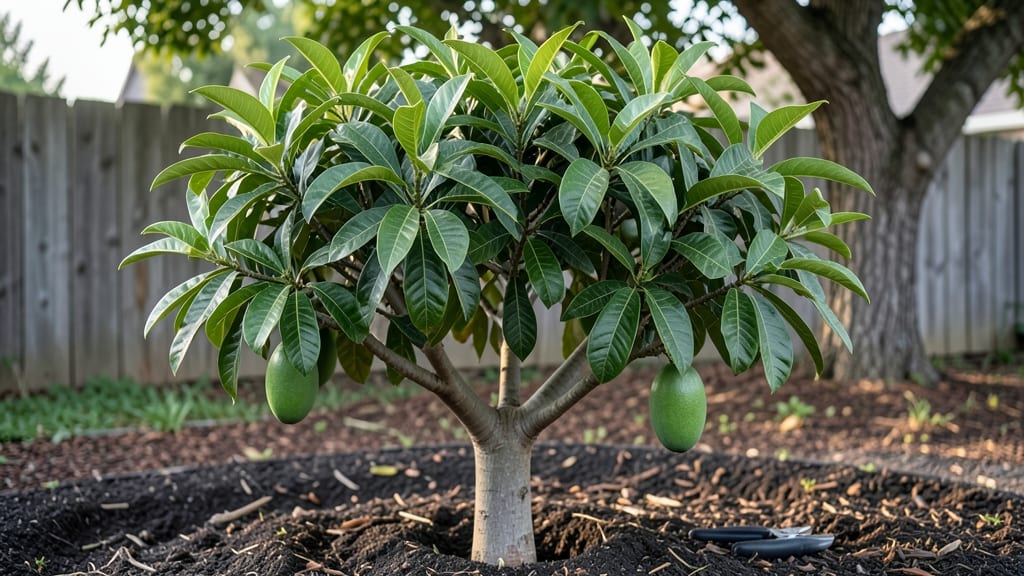
Growing a cold-hardy mango tree in the Pacific Northwest isn’t just possible—it’s transformative. 🌱 After years of watching my citrus trees struggle through damp winters, I finally found a variety that thrives here: the 'Julie' mango, a cold-resistant gem that produces sweet fruit even when temperatures dip below freezing.
The key isn’t just picking the right tree—it’s learning how to protect it, nurture it, and coax those tropical flavors from your own backyard.
You’ll need a sunny spot with well-draining soil, winter protection like row covers or a microclimate, and a little extra care during frost-prone months.
Most people assume mangoes can’t survive our climate, but with the right techniques—like wrapping the trunk, mulching heavily, and choosing a sheltered location—you’ll see leaves unfurl every spring and fruit ripen by late summer. The payoff?
Juicy, fragrant mangoes that taste nothing like the store-bought versions, all grown in your own zone 7 or 8 garden.
Once established, these trees become low-maintenance workhorses, producing fruit for decades with minimal effort. You’ll prune to shape the canopy in early spring, fertilize lightly in summer, and monitor for pests—mostly just keeping an eye out for aphids or scale.
The real magic happens in winter, when proper protection turns what could be a risky gamble into a reliable harvest. Imagine slicing into a ripe mango in September, knowing every bite was grown steps from your door.
Whether you’re a seasoned gardener or a PNW newcomer, this guide cuts through the guesswork. We’ll cover everything from site selection to winter prep, so you can grow a mango tree that not only survives but thrives in our unpredictable climate. Let’s get those tropical flavors growing where you live!
📚 In This Guide
- What you need
- Instructions
- Tips and common mistakes
- Wrapping up and next steps
What you need
- ● Cold-hardy mango sapling (varieties like ‘Julie’, ‘Ice Cream’, or ‘Cogshall’—ensure it’s grafted for hardiness)
- ● 5-gallon or larger container (with drainage holes) or a well-draining garden bed in a sheltered, south-facing location
- ● High-quality potting mix (blend of 50% peat moss or coconut coir, 30% perlite, and 20% compost for containers)
- ● Slow-release fertilizer (10-10-10 or organic options like fish emulsion—1 tbsp per gallon of soil at planting)
- ● Mulch (2–3 inches of straw, wood chips, or pine bark to insulate roots)
- ● Drip irrigation system or soaker hose (for consistent moisture without wetting foliage)
- ● Trowel or hand shovel (for transplanting)
- ● Pruning shears (sterilized with rubbing alcohol)
- ● Garden gloves (to protect from thorns and sap)
- ● Thermometer (to monitor soil temps—ideal range: 60–90°F)
- ● Frost cloth or row covers (30–50% shade cloth for lightweight protection during unexpected cold snaps)
- ● Stakes and ties (if growing in windy areas)
- ● Grow lights (LED or fluorescent for 12–14 hours/day in winter if indoors)
- ● Heat mat (for container-grown trees in sub-50°F temps)
- ● Humidity tray (to boost air moisture in dry indoor settings)
- ● Soil moisture meter (to avoid over/under-watering)
Step-by-step instructions for growing a cold hardy mango tree in the Pacific Northwest
Here's how I've kept my mango tree thriving through PNW winters—no fancy tricks, just reliable methods.
🪴 Step 1: Choose the Right Variety and Plant in a Protected Location
Start with a cold-hardy mango variety like 'Julie' or 'Osteen'—these survive down to 20°F with proper care. Plant in a south-facing location where it gets at least 6-8 hours of sunlight daily. The PNW's coastal fog can be tricky, so avoid low-lying spots where cold air settles.
Dig a hole twice as wide as the root ball but no deeper. Amend the native soil with 3-4 inches of compost mixed into the bottom half of the hole. This improves drainage while retaining moisture—critical for mango trees that hate soggy roots. Tap the tree gently to settle soil around roots, then water deeply to eliminate air pockets.
☀️ Step 2: Provide Seasonal Sun and Wind Protection
Mango trees need full sun year-round, but PNW summers can be intense. In June-August, provide 30-50% shade cloth during peak afternoon heat to prevent leaf scorch. Remove it completely by September to encourage flowering. I use a movable shade structure so I can adjust as needed.
Winter protection is key. Wrap the trunk with tree wrap and install a burlap windbreak on the north side. Cold winds are the #1 killer of young trees. If temperatures drop below 25°F, drape frost cloth over the canopy—just remember to remove it during the day for airflow. You'll know it's working when new growth appears in early spring.
💧 Step 3: Water Deeply and Adjust for Seasonal Needs
Water deeply once a week during the growing season (April-October), soaking the soil to 12-18 inches deep. Let the top 2-3 inches dry out between waterings—mango trees hate sitting wet but need consistent moisture. In summer, check soil moisture daily; coastal areas dry out faster than inland spots.
Reduce watering in November-March to every 2-3 weeks, only enough to keep the root zone from drying completely. Overwatering in winter causes root rot, and you won't see wilting until it's too late. Mulch with 3 inches of wood chips around the base (but keep it 6 inches away from the trunk) to retain moisture and regulate soil temperature.
✂️ Step 4: Prune for Structure and Cold Protection
Prune in late winter (February) before new growth starts. Remove dead, crossing, or weak branches first—these compete with healthy growth. Then shape the tree into an open vase form to improve airflow and sunlight penetration. Cut back overly long branches by one-third to encourage bushier growth.
In October, do a second light pruning to remove any suckers or water sprouts. These drain energy from the main tree. Seal all pruning cuts with tree wound paint only if the cut is larger than ½ inch—small cuts heal better on their own. You'll see stronger branches and fewer winter dieback after consistent pruning.
🌿 Step 5: Fertilize Strategically for PNW Conditions
Feed in early spring (March) with a balanced 10-10-10 fertilizer applied at ½ the recommended rate. Mango trees need less fertilizer than most fruit trees—too much causes weak growth that won't survive winter. Work it into the soil 6 inches from the trunk, then water deeply to distribute nutrients.
Add potassium-rich fertilizer in late summer (August) to help the tree harden off for winter. I use wood ash (½ cup per tree) mixed into the soil—it's free, improves soil pH slightly, and boosts potassium. Avoid nitrogen-heavy fertilizers after July, or you'll get tender new growth that won't survive frost.
Tips & tricks for Pacific Northwest mango tree success
Real talk: Growing mango trees in the PNW takes patience, but these tricks make all the difference between a struggling plant and a thriving fruit producer.
Location is Everything: That south-facing spot matters more than you think. If your yard doesn't have perfect sun exposure, consider planting near a south-facing wall or fence that reflects sunlight. I've seen trees in Portland thrive against brick walls that absorb and radiate heat. Also, avoid planting in frost pockets—those low spots where cold air collects can kill your tree overnight. Test your location by checking for frost formation in winter.
Soil Prep Secret: The 3-4 inches of compost we mix into the planting hole isn't just about drainage—it's about creating a microclimate. Mango roots need that slightly warmer, more fertile zone to establish properly. I always add a handful of egg shells (crushed) to the hole too—it provides calcium without altering the soil structure. This small addition has prevented root rot in my trees during our wet winters.
Winter Protection Upgrade: When temps drop below 25°F, don't just drape frost cloth—create an air pocket. Prop up the frost cloth with small stakes or a wire frame to keep it 6-12 inches above the tree. This allows airflow during the day while still protecting from freezing winds at night. I've had trees survive down to 15°F with this method, though they'll still need extra care to recover in spring.
Pruning Timing Matters: That February pruning isn't just about shaping—it's about giving your tree a head start. When you cut back those overly long branches by one-third, you're actually encouraging new growth that will harden off before winter. I always prune on a dry day just before a warm spell to minimize stress on the tree. And remember: smaller cuts heal faster, so use sharp pruners and make clean cuts at a 45-degree angle just above a bud.
Pro Tips for Cold Hardy Mango Tree
- Real talk: Growing mango trees in the PNW takes patience, but these tricks make all the difference between a struggli...
- Location is Everything: That south-facing spot matters more than you think. If your yard doesn't have perfect sun exp...
- Soil Prep Secret: The 3-4 inches of compost we mix into the planting hole isn't just about drainage—it's about creati...
Frequently asked questions
Got questions about growing a cold-hardy mango tree in your Pacific Northwest garden?
You’re not alone! Here are answers to the most common concerns—from planting to winter survival and everything in between.
Can a cold-hardy mango tree really survive PNW winters?
Varieties like ‘Julie’ or ‘Osteen’ are bred to tolerate brief dips to 15–20°F with proper care. Mulch heavily, wrap the trunk, and plant in a microclimate (like a south-facing wall) to maximize protection. Most cold-hardy mangoes thrive in zones 8–10 but can push limits with these strategies.
How long does it take for a cold-hardy mango tree to bear fruit?
Patience is key! Dwarf varieties may produce fruit in 3–5 years, while standard trees could take 5–7 years. Focus on well-draining soil, consistent watering (but no soggy roots!), and full sun (6+ hours daily). Pro tip: Fertilize lightly in spring with citrus-specific nutrients to encourage blooms.
What’s the best time to plant a cold-hardy mango tree in the PNW?
Plant in early spring (March–April) or late fall (October–November) to avoid frost. Avoid summer heatwaves—young trees stress easily. Choose a spot with 6+ hours of sun and shelter from wind. Container-grown trees can be planted year-round if soil isn’t frozen.
Are there alternatives if my mango tree struggles in cold winters?
If your mango tree just won’t cut it, try these PNW-friendly fruit trees:
- Loquat (Eriobotrya japonica): Thrives in zones 7–10, produces sweet fruit, and handles light frost.
- Fig (Ficus carica): Cold-hardy varieties like ‘Chicago Hardy’ survive to 0°F with mulch.
- Persimmon (Diospyros kaki): ‘Fuyu’ tolerates zones 5–8 and offers edible, astringent-free fruit.
What should I do if my cold-hardy mango tree’s leaves turn brown in winter?
Brown leaves are often normal—mangoes are evergreen but may drop some foliage in cold snaps. However, if most leaves brown or the tree looks mushy, it’s likely root rot or frost damage. Prune dead branches in late winter, and next year, add 3–4 inches of mulch and a burlap wrap around the trunk for insulation.
Wrapping up and next steps
Growing a cold-hardy mango tree in the Pacific Northwest isn’t just possible—it’s a rewarding adventure! 🌱 With the right variety, protection, and care, you can enjoy tropical flavors even in cooler climates. Whether you’re a seasoned gardener or a curious beginner, the key is patience, consistency, and a little creativity.
Ready to take the next step? Start small—choose a dwarf variety, test your microclimate, and experiment with containers or greenhouses. Before you know it, you’ll be savoring homegrown mangoes (or at least their delicious blossoms!) year after year. Your tropical oasis awaits—go plant that seed! 🌿✨