
Pruning
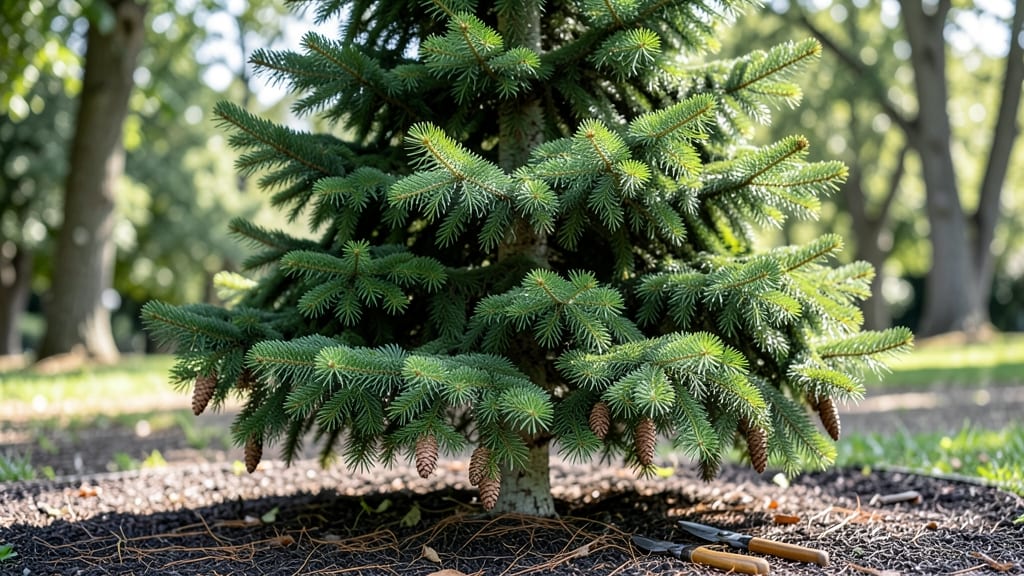
When spruce tree needles start looking dull and sparse, it’s time to prune—not just in spring, but year-round. 🌲 I’ve seen how a few strategic cuts can transform a struggling evergreen into a fragrant, dense canopy that stays vibrant through winter.
The key isn’t just trimming dead branches, but understanding when and how to shape the tree to encourage fresh growth.
Most people wait until spring, but that’s too late for many issues like spider mites or needle cast. I’ve learned to check my spruces every season—removing brown needles in summer, thinning crowded branches in fall, and shaping in winter when pests are dormant.
A sharp pair of pruners and a clear day are all you need to start.
What you’ll end up with is a tree that smells fresh even in January, with bright green needles that catch the light. The right cuts improve airflow, letting sunlight reach the inner branches where new growth starts. Plus, you’ll spot problems early—like yellowing needles or spider webs—before they spread.
This works for Colorado blue spruces, white pines, or any evergreen in your yard. The same principles apply whether you’re dealing with a mature tree or a young sapling. Let’s get those needles looking healthy again—step by step.
📚 In This Guide
- What you need
- Instructions
- Tips and common mistakes
- Wrapping up and next steps
What you need
- ● Pruning shears: Bypass pruners (sharp, 6–8 inch blades) for clean cuts on small branches.
- ● Loppers: 18–24 inch bypass loppers for thicker branches (up to 2 inches in diameter).
- ● Pruning saw: Curved-tooth saw for branches thicker than 2 inches.
- ● Ladder: Extendable aluminum ladder (12–16 ft tall) for hard-to-reach branches.
- ● Work gloves: Heavy-duty, cut-resistant gloves (e.g., Mechanix or similar) to protect your hands.
- ● Disinfectant (70% isopropyl alcohol or bleach solution): 1 part bleach to 9 parts water to sanitize tools between cuts.
- ● Trash bags (20–30 gallon): For collecting pruned needles and small branches.
- ● Safety goggles: To shield eyes from debris.
- ○ Pruning sealant (optional but recommended): For larger cuts (e.g., Tanglefoot Tree Wound Pruning Seal).
- ● Extension pole saw: For high branches without a ladder (e.g., Fiskars X7).
- ● Tree pruning rope: For securing branches during pruning.
- ● Notebook & pen: To sketch a pruning plan or mark branches for removal.
- ● Safety harness: If working on very tall trees (15+ ft).
- ● Mulch: Shredded bark or wood chips to replenish nutrients after pruning.
How to prune spruce trees for a healthier, more fragrant canopy
Here's the simple method I use to keep my spruce trees looking full and smelling fresh all year.
🌱 Step 1: Identify the Right Time for Pruning
Late winter or early spring—just as new growth begins—is the best time to prune spruce trees. This timing ensures you remove dead branches while leaving healthy new growth intact. Avoid pruning during extreme cold or heat, as these conditions stress the tree. You'll know it's time when you see fresh, green buds starting to swell along the branches.
If you notice dead branches at other times of year, remove them immediately. Dead branches are easy to spot—they're brown, brittle, and often crunchy when touched. Healthy spruce needles are flexible, vibrant green, and emit that classic piney fragrance when crushed between your fingers.
✂️ Step 2: Use the Right Tools and Technique
Grab your sharp, clean pruning shears or loppers—dull tools can tear branches and leave ragged cuts that invite disease. I always disinfect my tools with rubbing alcohol before starting. For thicker branches, use loppers to make clean cuts just outside the branch collar (the swollen area where the branch meets the trunk).
Make your cuts at a 45-degree angle about ¼ inch above a bud or side branch. This encourages new growth in the right direction. Never leave stubs—these can rot and attract pests. If a branch is too thick to cut with hand tools, use a saw, but make sure it's sharp to avoid tearing the bark.
🌿 Step 3: Remove Dead, Diseased, or Crowded Branches
Start by removing any dead, diseased, or crossing branches first. Dead branches are obvious—they're dry, brown, and often snap easily when bent. Diseased branches may have discolored needles, fungal growth, or oozing sap. Cut these out completely to prevent the spread of disease to healthy parts of the tree.
Next, look for branches that are rubbing against each other or growing inward toward the center of the tree. These "crowded" branches compete for sunlight and nutrients, weakening the tree. Remove the smaller or weaker of the two branches to open up the canopy. You'll see a noticeable difference in airflow and light penetration after just a few cuts.
☀️ Step 4: Shape the Tree for Balance and Airflow
Step back and assess the tree's overall shape. Spruce trees naturally grow in a conical form, so aim to maintain that natural silhouette. Focus on thinning out the interior to improve airflow—this reduces humidity inside the canopy, which helps prevent fungal diseases. You don't need to remove entire branches; just trim back the tips of overcrowded branches to open up space.
For a fuller look, lightly trim the outer edges of the tree to encourage bushier growth. Avoid cutting back more than ¼ of the tree's foliage in one season—this can stress the tree. If you're unsure, less is always better. A well-pruned spruce should look naturally dense, with no large gaps or bare spots.
💧 Step 5: Clean Up and Monitor Your Tree
After pruning, rake up and dispose of all debris, including small branches and needles. Leaving debris under the tree can harbor pests and diseases. I like to compost the healthy-looking needles, but dispose of any diseased branches in the trash. Water the tree deeply after pruning to help it recover, especially if the weather is dry.
Keep an eye on your tree in the weeks following pruning. New growth should appear within 4-6 weeks, and the tree should look healthier and more vibrant. If you notice any unusual browning, wilting, or pest activity, address it promptly. With proper care, your spruce tree will reward you with a lush, fragrant canopy for years to come.
Tips & tricks for pruning spruce trees like a pro
Real talk: Pruning spruce trees is all about timing, technique, and patience—here's what nobody tells you upfront.
Timing Secret: Late winter or early spring is non-negotiable for best results, but I've learned the hard way that even a few weeks off can make a difference. If you miss the window, don't stress—just remove dead branches anytime you spot them. The key is watching for those fresh green buds starting to swell; that's your cue to act. The 4-6 week recovery time mentioned in Step 5 is actually a great reminder to plan your pruning around your schedule—spring is ideal, but summer pruning can work too if you're gentle.
Tool Technique: Sharp tools aren't just about clean cuts—they're about safety and recovery. I've ruined more branches than I care to admit using dull shears, which tear instead of cut. Always disinfect your tools before starting (I use rubbing alcohol), and make those 45-degree cuts precisely ¼ inch above the bud. This might seem fussy, but it makes all the difference in how quickly your tree recovers. Pro tip: Test your tools on a small branch first to make sure they're sharp enough.
Pruning Strategy: When thinning the canopy in Step 4, I focus on creating a "see-through" effect—if you can see sunlight reaching the center of the tree, you're doing it right. The ¼ foliage rule is critical: Never remove more than that in one season, or you'll shock the tree. I like to work in layers, starting with the interior branches first to improve airflow before touching the outer edges. This approach prevents that "bare spot" look while keeping the tree healthy.
Recovery Watch: After pruning, I keep a close eye on my trees for those 4-6 weeks. New growth should appear as tiny red buds first, then turn green. If you don't see any new growth after 6 weeks, that's your signal to adjust your approach next time—maybe you pruned too aggressively. I've also noticed that trees pruned in late winter often show new growth by early spring, while summer pruning might take a little longer to show results.
Pro Tips for Spruce Tree Needle
- Real talk: Pruning spruce trees is all about timing, technique, and patience—here's what nobody tells you upfront.
- Timing Secret: Late winter or early spring is non-negotiable for best results, but I've learned the hard way that even a few weeks off can make a difference.
- Tool Technique: Sharp tools aren't just about clean cuts—they're about safety and recovery.
Frequently asked questions
Got questions about spruce tree needles and pruning?
Here are answers to the most common ones—so you can keep your evergreen looking its best year-round!
When is the best time to prune spruce tree needles?
Prune spruce trees in late winter or early spring (before new growth starts) or summer after flowering. Avoid pruning in fall or winter when the tree is dormant—this can stress it. For shearing, do it in two sessions (spring and summer) to reduce shock.
Can I prune spruce tree needles in winter?
While spruces are evergreen, avoid heavy pruning in winter (Dec–Feb). Cold stress + pruning = damage. Light shaping is okay, but wait until late winter (when temps rise above freezing) or switch to spring/summer pruning. If you must prune in winter, do it on mild days and avoid cutting more than 10% of the foliage.
Why are my spruce tree needles turning brown after pruning?
Brown needles post-pruning usually mean over-pruning or dry conditions. Spruces are sensitive—never remove more than 25% of the canopy in one year. If it’s dry, water deeply after pruning. For severe browning, check for spider mites or bagworms (common pests that thrive on stressed trees).
Should I use sharp shears or a saw for thick spruce branches?
Use bypass pruners or loppers for branches up to 1.5 inches thick. For thicker branches (1.5+ inches), switch to a pruning saw. Always sterilize tools with rubbing alcohol between cuts to prevent disease spread. Never use hedge trimmers—they tear needles, causing ragged growth.
Are there alternatives to pruning for shaping a spruce tree?
Yes! For natural shaping, try:
- Selective thinning: Remove only the innermost branches to improve airflow.
- Topiary training: Guide growth with stakes and twine while young.
- Fertilizer adjustments: Use slow-release, acid-loving fertilizer (like pine/fir blend) to encourage dense growth.
Wrapping up and next steps
Pruning your spruce tree’s needles year-round isn’t just about aesthetics—it’s an investment in healthier, fuller, and more fragrant foliage! By mastering the right timing, tools, and techniques, you’ll encourage vibrant growth while keeping pests and diseases at bay. 🌲✨
Ready to transform your spruce into a lush, thriving centerpiece? Start with a single branch or section this season, observe the results, and gradually expand your pruning routine. Happy gardening—your tree (and future generations!) will thank you.