
Pruning
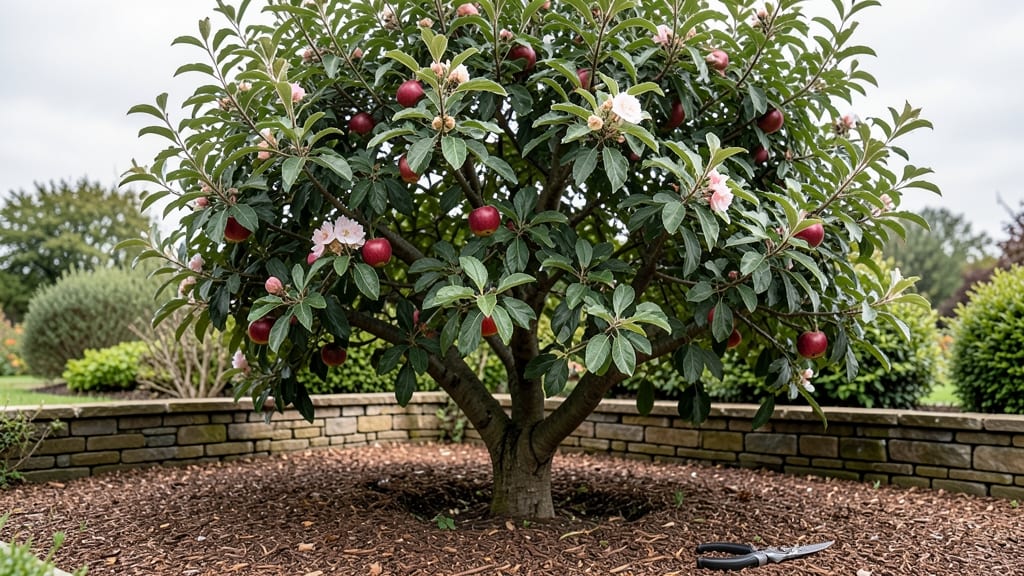
The Stayman apple tree thrives in Pacific Northwest winters, producing sweet, reliable fruit with the right care—especially when you train its canopy properly. I learned this the hard way after my first tree grew lopsided and produced half the expected harvest.
The key isn’t just planting; it’s shaping the branches early to create an open center that lets sunlight and air circulate. That’s when the tree truly shines, yielding bushels of crisp, flavorful apples every fall.
You’ll need well-drained soil with a pH between 6.0 and 7.0, full sun (at least 6-8 hours daily), and a spot protected from strong winds. Pacific Northwest gardeners often plant in early spring or fall, giving roots time to establish before winter’s chill.
Pruning starts in late winter—before buds swell—when you’ll shape the tree’s structure. The Stayman’s cold hardiness means it handles our wet winters better than many varieties, but proper pruning prevents disease and boosts fruit quality.
By summer’s end, you’ll see the payoff: a sturdy tree with a balanced canopy producing heavy crops of red-blushed fruit. The Stayman’s thick skin resists cracking, and its sweet-tart flavor makes it perfect for fresh eating or baking.
With annual pruning to maintain that open center, your tree will keep bearing for decades. The first harvest might take 3-4 years, but the wait is worth it for that first taste of homegrown fruit.
This method works for both backyard orchards and larger homesteads, adapting to container growing in small spaces. The Pacific Northwest’s climate is ideal for Staymans, but the same principles apply if you’re in a similar cool zone.
Here’s how to get started without the common mistakes that waste years of growth.
📚 In This Guide
- What you need
- Instructions
- Tips and common mistakes
- Wrapping up and next steps
What you need
- ● Pruning shears: Bypass pruners (sharp, 6-8" blades) for small branches.
- ● Loppers: 20-24" bypass or anvil for thicker branches (1-3" diameter).
- ● Pruning saw: Curved-tooth or folding saw for branches >3" in diameter.
- ● Rubbing alcohol (70%+) or bleach solution: 1 part bleach to 10 parts water for sterilizing tools between cuts.
- ○ Pruning sealant (optional but recommended): Tree wound paint (e.g., Tanglefoot Tree Wound Pruning Sealer) for cuts >½".
- ● Gloves: Cut-resistant, heavy-duty (e.g., Mechanix or orchard-specific gloves).
- ● Ladder or step stool: Sturdy, extendable (reach at least 10-12' for mature trees).
- ● Disposable bags or bucket: For collecting pruned branches and debris.
- ● Tape measure or ruler: 12-24" metal or fabric for measuring branch collars.
- ● Pole pruners: For high branches (extendable to 10-15').
- ● Extension cord + electric pruners: For large-scale orchards (ensure safety with proper grounding!).
- ● Tree training tape: Soft, biodegradable (e.g., jute) for guiding scaffold branches.
- ● Spray bottle with water: To dampen cuts and reduce stress on the tree.
- ● First-aid kit: For minor cuts or scrapes (orchard work can be rough!).
- ● Camera or sketchbook: To document your pruning plan before making cuts.
How to train a Stayman apple tree for a strong Pacific Northwest canopy
This method ensures your tree thrives in cool climates while producing abundant fruit.
Prune for Open Center Structure in Early Spring
Start by removing any dead, damaged, or crossing branches. Stayman apples grow best with an open center shape—this improves airflow and sunlight penetration. Use clean, sharp pruners to make cuts just outside the branch collar where the branch meets the trunk.
Focus on reducing the number of scaffold branches to 5-6 main limbs. These should be spaced evenly around the trunk, about 12-18 inches apart. Remove any branches growing straight upward—these compete with the main scaffold branches and weaken the tree's structure.
Here's the thing—don't over-prune. You want to remove about 20-25% of the tree's total growth in this first session. Too much pruning stresses the tree, especially in the Pacific Northwest's damp climate. If you're unsure, err on the side of caution and leave slightly more growth.
Thin Out Fruit Spurs for Better Sizing
Once the tree is established (about 2-3 years old), focus on thinning fruit spurs. These are the small, stubby branches where apples form. Remove about 50% of the spurs each year to prevent overcrowding and improve fruit quality.
Look for spurs that are too close together or growing inward. Use your fingers or small pruners to gently remove them at the base. This encourages the tree to develop new, more productive spurs. You'll see larger, higher-quality apples as a result.
Real talk: thinning spurs is easier than it sounds. Just remember—you're not trying to remove every spur, just the ones that aren't contributing to the tree's overall health. Think of it like giving your tree a haircut—you want to shape it, not shave it bald.
Summer Pruning for Airflow and Light Exposure
In mid-to-late summer, do a second round of pruning to remove any water sprouts (fast-growing, vertical shoots) and suckers (shoots growing from the base or roots). These compete with the tree for energy and can harbor pests.
Use your pruners to cut these back to a lateral branch or bud. This encourages the tree to grow outward rather than upward, which is crucial for the open center structure. You'll notice the tree's canopy starts to fill out more evenly as the seasons progress.
Don't skip this step—it's one of the keys to keeping your Stayman apple tree healthy and productive. Summer pruning also helps prevent fungal diseases by improving airflow through the canopy. That's especially important in the Pacific Northwest's humid summers.
Winter Pruning to Refine the Canopy
In late winter or early spring, before buds swell but after the coldest part of winter, do a final pruning to refine the tree's shape. Remove any branches that are rubbing against each other, as these can create wounds that invite disease.
Also, look for branches that are growing too close to the ground or crossing the trunk. These should be removed to maintain an open center. Cut back any branches that are too long—aim to keep the tree's height manageable, especially if you're growing it in a smaller orchard or backyard.
This is the moment that matters: take a step back and visualize the tree's shape. You want a balanced, open canopy that lets sunlight reach all parts of the tree. It might take a few seasons to get it just right, but patience pays off with better fruit production.
Tips & tricks for training a Stayman apple tree
A few simple strategies will help your Stayman apple tree thrive in the Pacific Northwest's unique climate. These tips address common challenges and ensure your tree develops a strong, productive structure.
Pruning Precision: When you're shaping your tree in Step 1, pay special attention to the branch collar—the swollen area where branches meet the trunk. Cutting just outside this collar prevents damage to the tree's healing tissues. I've seen too many well-intentioned pruners cut too close, which creates wounds that invite disease. Take your time here—this is where your tree's long-term health begins.
Visualizing the Canopy: Before you make any cuts in Step 4, step back and visualize the tree's final shape. Imagine sunlight filtering through an open center—this is your goal. Start by removing branches that grow straight up or cross others. The 12-18 inch spacing between scaffold branches is crucial for proper airflow and fruit development. Think of it like designing a skylight: you want light to reach every part of the canopy.
Seasonal Timing Matters: The Pacific Northwest's damp climate means timing is everything. Early spring pruning (Step 1) should happen when buds begin to swell but before new growth starts. Summer pruning (Step 3) is all about removing those fast-growing water sprouts that pop up after rainy seasons. And winter pruning (Step 4) should occur when the tree is dormant but before buds swell again. This seasonal rhythm helps prevent stress and disease.
Thinning with Purpose: When you're thinning fruit spurs in Step 2, aim to remove every other spur rather than trying to create perfect patterns. The key is to leave spurs that are well-spaced and facing outward. I've found that removing spurs growing inward creates more space for sunlight and air circulation, which leads to fewer apples but larger, higher-quality fruit. Think of it as editing a photograph—you're removing the clutter to highlight the best elements.
Pro Tips for Stayman Apple Tree
- A few simple strategies will help your Stayman apple tree thrive in the Pacific Northwest's unique climate.
- Pruning Precision: When you're shaping your tree in Step 1, pay special attention to the branch collar—the swollen area where branches meet the trunk.
- Visualizing the Canopy: Before you make any cuts in Step 4, step back and visualize the tree's final shape.
Frequently asked questions
Got questions about growing and maintaining a Stayman apple tree in the Pacific Northwest? You’re not alone! Here are some of the most common queries—plus quick, practical answers to keep your orchard thriving.
How cold-hardy is the Stayman apple tree compared to other varieties?
The Stayman is one of the hardiest apple varieties for the PNW, tolerating temperatures down to -25°F (-31°C). While it’s more resilient than, say, Honeycrisp or Fuji, it still benefits from winter mulch in Zone 6 or colder. Pair it with windbreaks for extra protection!
When is the best time to prune a Stayman apple tree for canopy training?
Prune your Stayman in late winter or early spring (before buds swell) to shape its open-center canopy. Avoid heavy pruning in fall—it can stress the tree. For summer pruning, thin out water sprouts and suckers to maintain airflow. Pro tip: Use sharp tools to prevent disease!
Can I train a Stayman apple tree as a standard or dwarf variety?
Yes! Staymans are sold as standard trees (12–16 ft tall) or dwarf/semi-dwarf (6–10 ft) on rootstocks like M.9 or MM.106. Dwarf varieties mature faster but need staking/support. Choose based on space: dwarf for small yards, standard for full orchard impact.
Why are my Stayman apples small or misshapen? Troubleshooting tips?
Small/misshapen fruit often signals overcrowding or poor pollination. Fix it by:
- Thinning fruit (leave 6–8" between apples) in early summer.
- Ensuring a compatible pollinator (e.g., Golden Delicious) is nearby.
- Checking for pests/disease (e.g., codling moths) and treating organically if needed.
Are Stayman apple trees susceptible to common PNW pests or diseases?
Staymans are relatively resistant but can still face:
- Apple scab (fuzzy spots on leaves)—use copper fungicide preventively.
- Cedar apple rust (orange pustules)—remove nearby junipers.
- Fire blight (blackened branches)—prune infected wood 6" below damage.
Wrapping up and next steps
The Stayman apple tree is a game-changer for Pacific Northwest growers, offering cold-hardy, high-yielding fruit with minimal fuss—thanks to its canopy-training magic. 🌳 By mastering pruning techniques like open-center shaping and scaffold branch management, you’ll unlock healthier trees, better airflow, and bountiful harvests for years to come.
Ready to transform your orchard? Grab your pruners, sketch a quick plan, and start small—even a single Stayman tree will reward you with delicious, disease-resistant apples (and bragging rights!). 🍏✨ Next step: Schedule your first pruning session this dormant season and watch your tree thrive!