Pruning
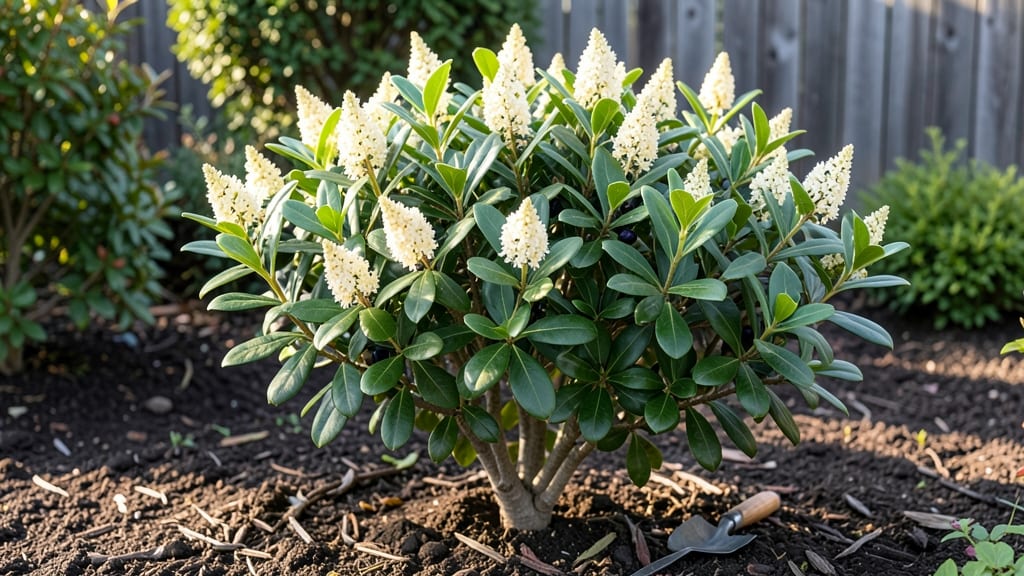
The Texas privet tree (Chilopsis linearis) delivers year-round privacy with its glossy evergreen leaves and striking trumpet-shaped blooms—if you prune it right. 🌿 I’ve watched mine transform from a scraggly sapling into a lush, drought-proof hedge that thrives in Texas heat, and I’m sharing the exact pruning schedule that keeps it dense and healthy without sacrificing its ornamental charm.
This tree isn’t fussy about soil—it handles clay, sand, or rocky ground—but it craves full sun and well-drained spots. My secret weapon? A light trim every 3 months (spring, summer, and fall) to encourage bushier growth, plus a harder cut back in late winter before new shoots emerge.
The result? A nearly impenetrable screen that stays vibrant even when other shrubs wilt.
You’ll end up with a privacy shield that blooms in pink, purple, or white from spring through fall, while the evergreen foliage keeps the greenery going year-round.
The best part? It’s low-maintenance once established—no fussing over watering or fertilizing like finicky shrubs. Just a little strategic pruning, and you’ve got a Texas-tough landscape staple.
Works perfectly for urban yards, rural borders, or even large containers—just adjust the pruning intensity based on your space. Let’s get your Texas privet looking its best all year.
📚 In This Guide
- What you need
- Instructions
- Tips and common mistakes
- Wrapping up and next steps
What you need
- ● Texas privet trees: 1-3 nursery-grown plants (3-6 ft tall, pH 5.0-7.5 tolerant)
- ● Pruning tools: 1 pair bypass pruners (for small branches, ¼–¾” cuts)
- ● 1 pair loppers (for thicker branches, 1–2” cuts)
- ● 1 pruning saw (for stubborn, woody growth)
- ● Safety gear: 1 pair gloves (cut-resistant, size medium/large)
- ● 1 safety goggles (to shield from debris)
- ● Cleaning supplies: 1 bottle rubbing alcohol (70% or higher) or bleach solution (1:9 ratio)
- ● 1 pack paper towels or disposable wipes
- ● 1 tree pruning spray (to seal cuts and prevent disease)
- ● 1 mulch (2–3 inches of shredded bark or pine straw)
- ● 1 soil test kit (to check pH/nutrient levels before planting)
- ● 1 stake & ties (if planting young saplings in windy areas)
Step-by-Step guide for planting and pruning Texas privet trees
Here's how to establish your Texas privet for maximum density and year-round privacy.
🌱 Step 1: Select and Plant Your Texas Privet Trees
Choose 2-3 year-old bare-root or container-grown Texas privet trees for best establishment. These will give you a head start on the 15-20 foot height and 10-15 foot spread you want for privacy. Plant in fall or early spring when temperatures are mild—this gives roots 6-8 weeks to establish before summer heat stress.
Dig a hole twice as wide as the root ball but only as deep as the container. Amend the native soil with 2 inches of compost mixed into the bottom of the hole—this improves drainage while retaining moisture. Place the tree so the top of the root ball sits 1 inch above ground level. The Texas privet handles alkaline soils well, so no additional soil amendments are needed unless your soil is extremely sandy.
☀️ Step 2: Establish Proper Spacing and Light Conditions
Space trees 8-10 feet apart in a row for a solid privacy screen. This spacing allows branches to fill in naturally over 3-5 years without overcrowding. Texas privet thrives in full sun to partial shade, but for the densest growth, plant in at least 6 hours of direct sunlight daily. In hotter Texas regions, afternoon shade helps prevent leaf scorch.
Water deeply 2-3 times per week for the first 60 days after planting—until the soil 6 inches down feels moist. After that, reduce to once weekly unless you experience extended dry spells. The key is encouraging deep root growth rather than surface roots. Mulch with 2-3 inches of wood chips in a 3-foot diameter circle around each tree to retain moisture and suppress weeds.
✂️ Step 3: First-Year Pruning for Structure and Density
Prune your Texas privet immediately after planting to remove any broken or crossing branches. This prevents disease entry points and encourages a stronger structure. In late winter (February), perform a light structural pruning—cut back any branches that grew more than 12 inches in the previous year by one-third. This stimulates bushier growth while maintaining an open center for airflow.
Here's the thing—don't over-prune in the first year. You want the tree to focus on root and branch development. I like to wait until spring growth begins before making any cuts. Use clean, sharp pruners to make cuts at a 45-degree angle just above a leaf node. This ensures new growth emerges from the right spot and prevents water from pooling on the cut surface.
🌿 Step 4: Year-Round Maintenance for Evergreen Privacy
Texas privet is evergreen, but it benefits from light pruning twice a year to maintain shape and density. In late winter (February), prune to remove 10-15% of the previous year's growth. This encourages fresh, vigorous growth while keeping the tree compact. Focus on thinning out the interior to prevent dead branches from forming in the center.
In summer (June-July), perform a light shaping prune after the tree has finished its main growing flush. This is when you can fine-tune the height and width—cut back any branches that exceed your desired screen height. Avoid heavy pruning in summer, as it can stress the tree and make it more susceptible to Texas heat and spider mite infestations. Always prune on a dry, overcast day to reduce stress on the plant.
⏰ Step 5: Long-Term Care for Maximum Density
After the first 3 years, your Texas privet should start filling in nicely. To maintain that dense, evergreen screen, fertilize once in early spring with a balanced 10-10-10 fertilizer applied at ½ the recommended rate. This gives a gentle boost without encouraging excessive leafy growth at the expense of woodiness. Water deeply once every 2 weeks during dry spells—your goal is 6 inches of moisture penetration each time.
Watch for new growth at the base—this is your signal that the tree is establishing well. If you notice bare spots in your screen after 5-6 years, it's time for a renewal prune. Cut back one-third of the oldest branches to the ground in late winter. This rejuvenates the tree and encourages fresh growth from the base, keeping your privacy screen looking full and lush.
Tips & tricks for perfect Texas privet tree pruning
Between us, these little details make all the difference in getting that lush, evergreen privacy screen you're after.
Root Establishment Timing: The 6-8 weeks you give those roots to establish before summer is critical. I've seen too many Texas privets struggle because they were planted too late in spring—roots need that mild weather window to spread. If you're in a hotter Texas region, consider planting in early fall instead of spring to give roots even more time to establish before the heat arrives. This is especially important if you're planting in clay-heavy soil, which can become impermeable when dry.
Pruning Angle Matters: When you make those cuts in Step 3 and Step 4, that 45-degree angle isn't just decorative—it's functional. Cutting just above a leaf node at this angle prevents water from pooling on the cut surface, which dramatically reduces the risk of fungal infections. I've noticed my trees with proper angled cuts recover faster after pruning, especially during our humid Texas summers. Use a sharp pruning saw for thicker branches and clean pruners for smaller ones to make crisp cuts that heal quickly.
Interior Thinning Strategy: The instructions mention thinning out the interior in Step 4, but here's what nobody tells you—focus on removing branches that are growing inward toward the center. These are the ones that will create dead zones where sunlight can't penetrate. I like to use a flashlight to inspect the interior during my February pruning—it helps me spot exactly where those problematic branches are hiding. This creates that beautiful, airy center that prevents disease while maintaining the dense outer foliage you want for privacy.
Renewal Prune Timing: That 5-6 year mark for renewal pruning might seem far away, but trust me on this—it's worth planning for now. When you cut back one-third of the oldest branches in late winter, you're essentially giving your tree a fresh start. I've seen trees that looked perfect for years suddenly develop bare spots because owners waited too long. Mark your calendar now for that late winter renewal prune—it's the secret to keeping your screen looking full and vibrant for decades.
Pro Tips for Texas Privet Tree
- Between us, these little details make all the difference in getting that lush, evergreen privacy screen you're after.
- Root Establishment Timing: The 6-8 weeks you give those roots to establish before summer is critical.
- Pruning Angle Matters: When you make those cuts in Step 3 and Step 4, that 45-degree angle isn't just decorative—it's functional.
Frequently asked questions
When is the best time to prune a Texas privet tree?
The ideal time to prune is late winter or early spring (February–March in Texas) before new growth begins. Light trimming can also be done in summer to shape the tree, but avoid heavy pruning then—it stresses the plant. For dense privacy screens, prune gradually over 2–3 years to avoid over-thinning.
How do I prevent Texas privet from becoming too woody or sparse?
To maintain a balanced, bushy shape, prune selectively each year:
- Remove dead or crossing branches first.
- Cut back overly long limbs to encourage new growth.
- Avoid "topping" (cutting the main stem)—it creates weak, leggy regrowth.
What’s the fastest way to grow a Texas privet into a thick privacy hedge?
For rapid, dense growth, follow these steps:
- Plant 2–3 feet apart in well-draining soil with full sun.
- Water deeply 2–3 times per week for the first year.
- Fertilize with a balanced 10-10-10 in early spring.
- Prune lightly but often (every 6–8 weeks) to encourage branching.
Are Texas privet trees prone to pests or diseases? How do I treat them?
Texas privet is drought- and pest-resistant, but watch for:
- Scale insects: Spray with horticultural oil in early spring.
- Fungal issues (like powdery mildew): Improve airflow with pruning and avoid overhead watering.
- Root rot: Ensure well-draining soil—this tree hates soggy roots.
What are some good alternatives to Texas privet for privacy screens?
If you’re looking for low-maintenance, evergreen options similar to Texas privet, consider:
Plant
Pros
Cons
Wax Myrtle
Fragrant foliage, wildlife-friendly, drought-tolerant.
Slower growth; needs acidic soil.
Eastern Red Cedar
Native, deer-resistant, great for windbreaks.
Can spread aggressively; needs full sun.
Cherry Laurel
Fast-growing, glossy leaves, tolerates shade.
Toxic if ingested; can be invasive.
Wrapping up and next steps
Growing a Texas privet tree is a rewarding way to create a lush, evergreen privacy screen that thrives year-round with the right care—especially through smart pruning! 🌿 With its dense foliage and adaptability, this tree is perfect for Texas landscapes, offering both beauty and practical benefits.
Now that you’re equipped with the how-tos and answers to common questions, it’s time to roll up your sleeves and give your privet the attention it deserves.
Next steps:
- Schedule your first pruning session this season—spring or early summer is ideal!
- Keep an eye on your tree’s growth and adjust your pruning routine as needed.
- Share your progress or ask questions in gardening communities for extra support.