
Trees
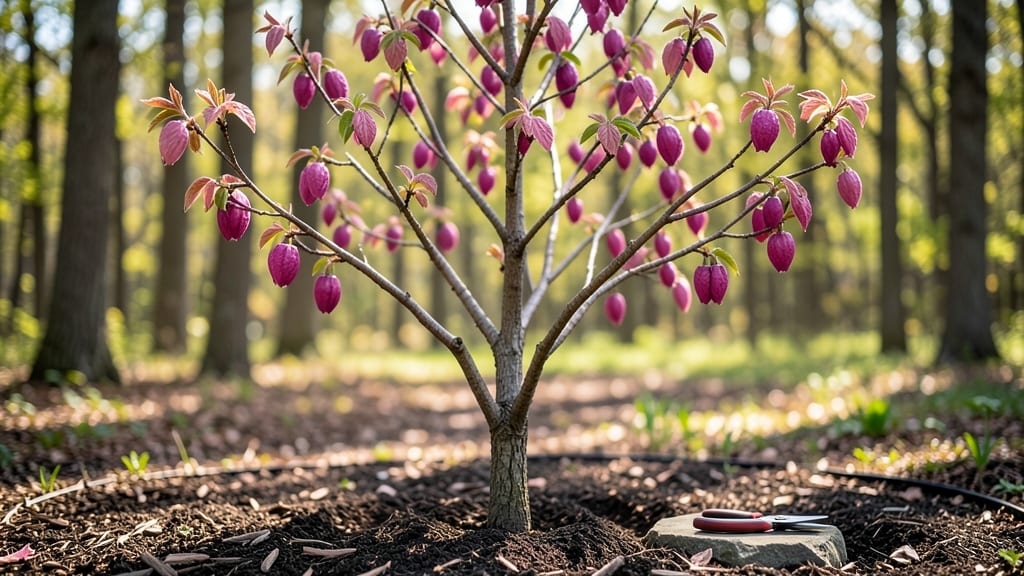
When your tree’s spring leaves turn soft pink instead of vibrant green, it’s not always a death sentence—just a message from the Pacific Northwest climate.
I’ve seen this happen with maples, birches, and even fruit trees, and the causes range from harmless to serious, but the good news is most cases are fixable with the right spring care.
The most common culprits are fungal infections like anthracnose or nutrient imbalances from last season’s soil, but environmental stress—like late frosts or heavy winter rains—can trigger it too.
The key is diagnosing early: check for dark spots, leaf drop, or stunted growth, then act fast with pruning, fungicides, or soil amendments before the problem spreads.
📚 In This Guide
- What you need
- Instructions
- Tips and common mistakes
- Wrapping up and next steps
What you need
- ● Pink-leaved tree varieties: 1–3 Cercis canadensis (Eastern Redbud) – for vibrant early spring blooms
- ● 1 Prunus serrulata 'Kanzan' (Japanese Cherry) – for delicate pink foliage and flowers
- ● 1 Cornus kousa (Kousa Dogwood) – for bold, pink-tinged leaves and clusters
- ● 1 Betula nigra 'Heritage' (River Birch) – for pinkish bark and leaves in spring
- ● High-quality soil: 50 lbs of well-draining, acidic soil mix (pH 5.0–6.5) for optimal growth
- ● Organic compost: 10–20 lbs to enrich soil and support root health
- ● Mulch: 2–3 inches of cedar or pine mulch to retain moisture and suppress weeds
- ● 1 shovel (for digging planting holes)
- ● 1 hand trowel (for delicate soil adjustments)
- ● 1 pruning shears (sterilized, for trimming dead branches)
- ● 1 garden hose or watering can (with a fine spray nozzle)
- ● 1 measuring tape (to ensure proper spacing—6–10 ft between trees)
- ○ Optional but helpful: Soil pH test kit (to verify acidity levels)
- ● Slow-release fertilizer (e.g., Osmocote for trees)
- ● Tree stakes & ties (for young saplings in windy PNW areas)
- ● Sunlight: Ensure your chosen spot gets full sun to partial shade (6+ hours of sunlight daily for most pink-leaved varieties)
- ● Water source: Access to a reliable water supply (trees need 1–2 gallons of water 2–3 times per week during the first year)
- ● Season timing: Plant in early spring (March–April) or fall (September–October) for best root establishment
- ● Local climate prep: Check for Pacific Northwest-specific pests (e.g., aphids, borers) and treat preemptively if needed
Instructions for cultivating trees with stunning spring pink leaves
Here’s how to select and nurture trees that burst into vibrant pink foliage each spring—perfect for Pacific Northwest gardens.
Choose the Right Tree Varieties for Your Climate
Start with trees naturally suited to the Pacific Northwest’s mild, wet winters and cool summers. Japanese maples (Acer palmatum) like ‘Bloodgood’ or ‘Emperor I’ develop striking pinkish-red hues in spring, while serviceberry (Amelanchier) varieties offer soft pink foliage that transitions beautifully. Avoid tropical species—they’ll struggle with our winters.
Check your yard’s sun exposure. Most pink-leaved trees thrive in partial shade to full sun, but some, like the pink dogwood (Cornus florida ‘Rubra’), need at least 4-6 hours of morning sun to prevent leaf burn. If your space is shady, opt for understory trees like pink-foliaged ferns or azaleas instead.
Plant at the Best Time for Root Establishment
Fall is ideal for planting—October to November—when soil is cool but workable. This gives roots time to establish before spring’s growth surge. Dig a hole twice as wide as the root ball but no deeper, loosening the sides to encourage root spread. Amend the native soil with 2-3 inches of compost mixed into the bottom of the hole.
Place the tree so the top of the root ball sits 1-2 inches above ground level—this prevents rot. Backfill with native soil (no amendments), then water deeply to settle it. Mulch with 3 inches of wood chips, keeping it 6 inches away from the trunk to avoid moisture buildup. Water weekly until the first frost, aiming for 1-2 inches of moisture per week.
Prune for Airflow and Color Enhancement
Prune in late winter or early spring (before buds swell) to shape the tree and improve airflow, which reduces disease risk. Remove dead, crossing, or inward-growing branches first—these compete for nutrients and block light. Thin the canopy by 20-30% to let sunlight reach inner branches, where pink hues often develop most vividly.
Use clean, sharp pruners to make cuts just outside the branch collar (the swollen area where the branch meets the trunk). Avoid heavy pruning in late summer—it stimulates tender new growth that may not harden off before winter. After pruning, apply a balanced 10-10-10 fertilizer around the drip line (the edge of the tree’s canopy) to support recovery.
Maintain Soil and Water for Vibrant Foliage
Pacific Northwest soils often lack organic matter, so top-dress with 1-2 inches of compost annually in early spring. This feeds beneficial microbes and improves drainage. Water deeply once a week during dry spells, aiming for 1-1.5 inches of water at the base. Drip irrigation is best—it delivers moisture slowly and reduces fungal diseases that thrive in wet foliage.
Watch for yellowing leaves, which signal overwatering or poor drainage. If the soil stays soggy for days, amend it with sand or perlite to improve aeration. In summer, reduce watering slightly—most pink-leaved trees prefer slightly drier conditions once established. A mulch ring (renewed annually) helps retain moisture and regulate soil temperature.
Protect and Enjoy Your Tree’s Spring Display
Pink-leaved trees are often more susceptible to pests like lace bugs or fungal issues like powdery mildew. Inspect leaves weekly in spring for early signs of damage. Treat with neem oil spray if you spot lace bugs (they leave stippled, discolored patches). For mildew, improve airflow by pruning and avoid overhead watering.
Celebrate the 3-5 week window when pink hues peak—usually late April to early June in the PNW. Take photos to track color progression year to year. With proper care, your tree will reward you with decades of seasonal beauty, becoming a focal point in your garden.
Tips & tricks for cultivating trees with stunning spring pink leaves
Real talk: The difference between a tree that just happens to have pink leaves and one that bursts with vibrant color every spring comes down to these details.
Variety Matters: The Japanese maple 'Bloodgood' and serviceberry varieties mentioned in Step 1 are your best bets for consistent pink hues. If you're drawn to pink dogwoods, plant them where they'll get that crucial 4-6 hours of morning sun—afternoon sun can scorch the delicate leaves. I've seen dogwoods in full afternoon sun turn crispy by midday, so position them carefully near a north-facing wall or under high-canopy trees that filter light.
Root Establishment is Non-Negotiable: That October to November planting window in Step 2 isn't just arbitrary—cool fall soil temperatures prevent root shock while giving roots time to establish before winter dormancy. If you must plant in spring, do it as early as possible (March) and keep the soil consistently moist until roots take hold. I've seen trees planted in late spring struggle with transplant shock, especially our local serviceberries.
Pruning Precision: When you're thinning that 20-30% of the canopy in Step 3, focus on removing branches that grow inward or cross others. These compete for sunlight and nutrients, which can dull those pink hues. I learned this the hard way—my first pruning session left too many crowded branches, and the inner leaves stayed pale green. Now I use a small mirror to check hard-to-see branches before making cuts.
Watering Wisdom: That 1-1.5 inches of water per week in Step 4 is a guideline, but timing matters more. Water deeply in the morning so leaves have time to dry before evening—wet foliage is an open invitation to fungal problems. I've noticed lace bugs (the pests mentioned in Step 5) are far more active on trees that stay damp overnight. A soaker hose set on a timer is my go-to for consistent moisture without the overhead spray.
Pro Tips for Tree Pink Leaves In Spring
- Real talk: The difference between a tree that just happens to have pink leaves and one that bursts with vibrant color every spring comes down to these details.
- Variety Matters: The Japanese maple 'Bloodgood' and serviceberry varieties mentioned in Step 1 are your best bets for consistent pink hues.
- Root Establishment is Non-Negotiable: That October to November planting window in Step 2 isn't just arbitrary—cool fall soil temperatures prevent root shock while giving roots time to establish before winter dormancy.
Frequently asked questions
Got questions about those stunning pink leaves in spring? You’re not alone! Here are some of the most common queries from Pacific Northwest gardeners—and the answers you need to keep your trees thriving.
Why do my tree leaves turn pink in spring?
Pink leaves in spring are usually a sign of new growth triggered by sunlight, temperature shifts, or nutrient changes. Some trees (like Japanese maples) naturally produce pink foliage, while others may react to stress or fertilizer. If it’s unexpected, check for over-fertilization or sudden weather swings—both can cause temporary color shifts!
When is the best time to plant a tree with pink spring leaves?
For the Pacific Northwest’s mild climate, early spring (March–April) or fall (September–October) are ideal. Planting in spring lets roots establish before summer heat, while fall gives trees time to settle before winter dormancy. Avoid extreme heat or frost—your tree will thank you with vibrant pink blooms next season!
What if my tree’s pink leaves fade too quickly?
Fading pink leaves could signal nutrient deficiency, overwatering, or pests. Start by adjusting your watering schedule (deep but infrequent is best) and test soil pH. A balanced, slow-release fertilizer (like 10-10-10) can help. If pests like spider mites are to blame, neem oil or insecticidal soap can restore health without harsh chemicals.
Are there low-maintenance trees with pink spring leaves?
Try these PNW-friendly picks:
- Japanese Maple (Acer palmatum) – Dwarf varieties like ‘Bloodgood’ need minimal care and dazzle with pinkish-red hues.
- Smoke Tree (Cotinus coggygria) – Tolerates drought and sports soft pink foliage; great for containers or borders.
- Redbud (Cercis canadensis) – Fast-growing and cold-hardy, with early spring pink blooms before leaves emerge.
Will pink leaves survive our rainy PNW winters?
Most trees with pink spring leaves are winter-hardy, but some varieties (like tender Japanese maples) may need winter protection. Wrap young trees in burlap or use anti-desiccant spray to prevent windburn. Avoid heavy pruning in late fall—wait until late winter for best results. Your tree’s resilience will reward you with next year’s blush-pink foliage!
Wrapping up and next steps
Witnessing tree pink leaves in spring isn’t just a fleeting moment—it’s a celebration of nature’s artistry in your Pacific Northwest garden.
Whether you’re drawn to the delicate blush of Cornus sericea or the bold hues of Acer palmatum, these trees bring timeless elegance and seasonal joy to your outdoor space. 🌸
Ready to transform your garden? Start by choosing the perfect tree for your climate and soil, then plan its placement with care. With the right knowledge and a little patience, you’ll soon be surrounded by the soft, romantic beauty of spring’s pink-leaved wonders.