
Trees
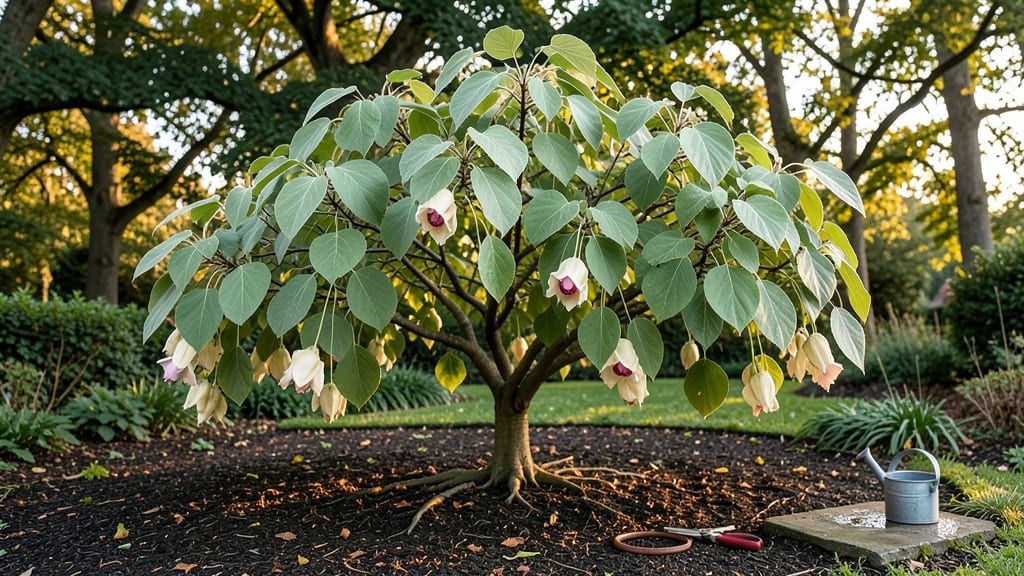
The Davidia involucrata—that stunning weeping tree with heart-shaped leaves—transforms any Pacific Northwest garden into a living dream. 🌿 I first saw one arching over a mossy path in Portland, and I knew it would steal the show in my own yard.
Its cascading branches create a dramatic focal point, while the unique leaves add texture that no other tree can match.
This tree thrives as a statement piece in shade gardens or as a graceful backdrop for perennials like hostas and ferns. In spring, its flower bracts look like delicate handkerchiefs, and the autumn foliage turns golden—seasonal interest you won’t find elsewhere.
Even small spaces can accommodate it with thoughtful placement near patios or walkways.
📚 In This Guide
- What you need
- Instructions
- Tips and common mistakes
- Wrapping up and next steps
What you need
- ● Tree sapling: 1–3-year-old Davidia involucrata (ensure it’s disease-free and well-rooted). Pro tip: 💡 Opt for a grafted variety if your climate is marginal (Zones 5–8).
- ● Planting hole: 2–3x wider and as deep as the root ball; loosen soil at the bottom.
- ● High-quality soil: 1–2 cubic yards of well-draining, slightly acidic soil (pH 5.5–6.5). Mix in compost (1 part compost to 3 parts native soil).
- ● Organic mulch: 2–3 inches of shredded bark, wood chips, or pine needles (keep mulch away from the trunk!).
- ● Watering can or hose: With a gentle spray nozzle for post-planting hydration.
- ● Garden shovel or spade: For digging the planting hole.
- ● Garden fork: To aerate compacted soil.
- ● Pruning shears: Sharp, sterilized shears (for shaping or removing dead branches).
- ● Gloves: Heavy-duty work gloves to protect your hands.
- ○ Stake (optional): 1–2 wooden or bamboo stakes + soft ties if your tree needs temporary support.
- ● Fertilizer: Slow-release, balanced organic fertilizer (10-10-10 or similar) applied in early spring.
- ○ Tree-specific fungicide: Copper-based spray (optional, for fungal prevention in humid climates).
- ○ Drip irrigation system (optional): For deep, consistent watering—especially in dry spells.
- ● 🌡️ Climate: Plant in full sun to partial shade (6+ hours of light daily). Avoid frost pockets.
- ● 📏 Space: Mature trees reach 15–25 feet tall and wide—allow plenty of room!
- ● 🚫 Avoid: Windy locations (young trees are sensitive to windburn).
How to plant and care for a weeping tree with heart-shaped leaves
This elegant tree thrives in Pacific Northwest climates—here's how to bring its graceful arches into your landscape.
🪴 Step 1: Choose the Perfect Planting Location
Select a spot with dappled shade to partial sun—this tree loves morning sunlight but afternoon shade. The Pacific Northwest's mild summers mean it won't scorch in direct afternoon sun like some species. Look for areas with 6-8 feet of overhead clearance since mature branches can reach 15-20 feet wide.
Here's the thing—this tree hates soggy roots. If your yard has heavy clay soil, amend the planting area with 3-4 inches of compost to improve drainage. I always test the spot by digging a 12-inch hole first: if water pools after 24 hours, you'll need to raise the planting mound or improve drainage.
🌱 Step 2: Prepare the Planting Hole and Soil
Dig a hole twice as wide as the root ball but only as deep—never deeper than the container's base. The top of the root ball should sit 1-2 inches above ground level to prevent waterlogging. Gently loosen the roots if they're circling tightly in the container.
Mix the native soil with equal parts compost and peat moss (about 2 gallons of each) to create a loose, airy planting mix. This helps the tree establish faster in the Pacific Northwest's cool, damp climate. Tap the tree gently into the hole so it stands upright—you'll see the first branches naturally arch outward as they grow.
☀️ Step 3: Plant and Water for Immediate Support
Backfill the hole with your amended soil mix, pressing lightly to eliminate air pockets. Water deeply (about 5 gallons) to settle the soil around roots. The soil should look evenly moist but not puddled—this tree's native habitat has consistent moisture but good drainage.
I always add 3-4 inches of wood chips around the base (but not touching the trunk) to conserve moisture and regulate soil temperature. These trees grow best with consistent moisture—water 2-3 times per week during the first growing season, then taper to once weekly once established. You'll know it's happy when new growth appears on the lower branches within 6-8 weeks.
🌿 Step 4: Prune for Structure and Health
Wait until spring before pruning—this gives the tree time to recover from transplant shock. Remove any dead, crossing, or inward-growing branches using clean, sharp pruners. The goal is to encourage those graceful arches by opening the center of the canopy. Cut just outside the branch collar where it meets the trunk.
Real talk: Don't over-prune. This tree develops its weeping habit naturally—just shape lightly to maintain balance. You'll see the heart-shaped leaves develop best on new growth, so avoid heavy pruning after mid-summer. A light trim in late winter keeps the tree looking its best year-round.
Tips & tricks for perfect weeping tree planting
Took me a while to figure these out, so here's how to make your weeping tree thrive from day one.
The Soil Test Trick: In Step 1, when you're testing drainage by digging that 12-inch hole, let it sit for the full 24 hours before deciding. I learned this the hard way—rushing the test led to waterlogged roots and stunted growth. If water still pools after 24 hours, consider building a raised bed instead of just amending the soil. The goal is to mimic the tree's natural habitat where water drains quickly but stays moist.
Root Ball Prep Secret: Before planting in Step 2, soak the root ball in water for 10-15 minutes while you're preparing the hole. This helps rehydrate roots that may have dried out in transit or storage. When loosening circling roots, focus on the outer edges—you don't need to unravel every single root, just create some openings for new growth. Think of it like untangling headphones rather than completely separating them.
Watering Wisdom: That initial 5-gallon deep watering in Step 3 is crucial, but don't stop there. In the Pacific Northwest's cool climate, you might need to water more frequently than the suggested 2-3 times per week during dry spells. Check moisture by sticking your finger 2 inches into the soil—if it's dry, water again. The key is keeping the soil consistently moist but never soggy, which is why that wood chip mulch layer is so important.
Pruning Timing: When you're ready to prune in Step 4, mark your calendar for late winter—typically February to early March works best in our region. This timing gives the tree time to heal before summer growth begins. For the first year after planting, skip pruning entirely unless you see dead branches. Let the tree focus on establishing its root system before you start shaping it.
Pro Tips for Weeping Tree Heart Shaped Leaves
- Took me a while to figure these out, so here's how to make your weeping tree thrive from day one.
- The Soil Test Trick: In Step 1, when you're testing drainage by digging that 12-inch hole, let it sit for the full 24 hours before deciding.
- Root Ball Prep Secret: Before planting in Step 2, soak the root ball in water for 10-15 minutes while you're preparing the hole.
Frequently asked questions
Got questions about the stunning weeping tree with heart-shaped leaves? You’re not alone—this Pacific Northwest beauty sparks curiosity! Here are some of the most common queries, answered with care:
What is the most common weeping tree with heart-shaped leaves in the Pacific Northwest?
The Pacific Dogwood (Cornus nuttallii) is the iconic PNW weeper with heart-shaped leaves and cascading branches. Its white bracts in spring and deep red fall foliage make it a showstopper. For a more dramatic weeping form, look for ‘White Cloud’ or ‘Cherokee Chief’ cultivars.
When is the best time to plant a weeping tree with heart-shaped leaves?
Plant in early spring or fall when temperatures are mild and soil is workable. Avoid summer heatwaves or winter freezes, which can stress young roots. If planting in containers, water deeply before transplanting to reduce shock.
How do I encourage a weeping habit in my heart-leafed tree?
Prune selectively in late winter or early spring to shape branches. Avoid heavy pruning—focus on removing crossing limbs or dead wood. For dogwoods, never prune after mid-summer, as it can reduce next year’s flower production.
Are there any trees with heart-shaped leaves that don’t require weeping pruning?
Yes! If you want heart-shaped leaves without the weeping drama, consider the Katsura Tree (Cercidophyllum japonicum) or Japanese Maple (Acer palmatum ‘Bloodgood’). Both have stunning foliage but grow upright. For a low-maintenance option, Serviceberry (Amelanchier) is another PNW favorite.
Why are the leaves on my weeping tree turning yellow or dropping early?
Yellowing leaves often signal nutrient deficiencies (like iron or nitrogen) or overwatering. Check soil moisture—dogwoods prefer well-draining soil. Early leaf drop can also mean dogwood anthracnose (a fungal disease). Treat with fungicide in spring and improve air circulation around the tree.
Pro Tip:
For maximum drama, plant your weeping tree near a moisture-retentive spot (like a rain garden) and pair it with ferns or hostas to highlight its graceful arches. Mulch with wood chips to retain moisture and suppress weeds—just keep mulch 6 inches away from the trunk!
Wrapping up and next steps
The weeping tree with heart-shaped leaves isn’t just a stunning addition to the Pacific Northwest’s landscape—it’s a symbol of resilience, beauty, and harmony with nature.
Whether you’re drawn to its graceful arches, its role in local ecosystems, or its potential as a focal point in your garden, this tree offers endless inspiration for those who appreciate quiet elegance and ecological balance.
Ready to bring a touch of this majestic tree into your life? Start by researching local nurseries or connecting with arborists in your area to learn about planting, care, and conservation efforts.
Every step you take to nurture these trees helps preserve the magic of the Pacific Northwest’s forests—one heart-shaped leaf at a time. 🌿✨