
Orchid Care
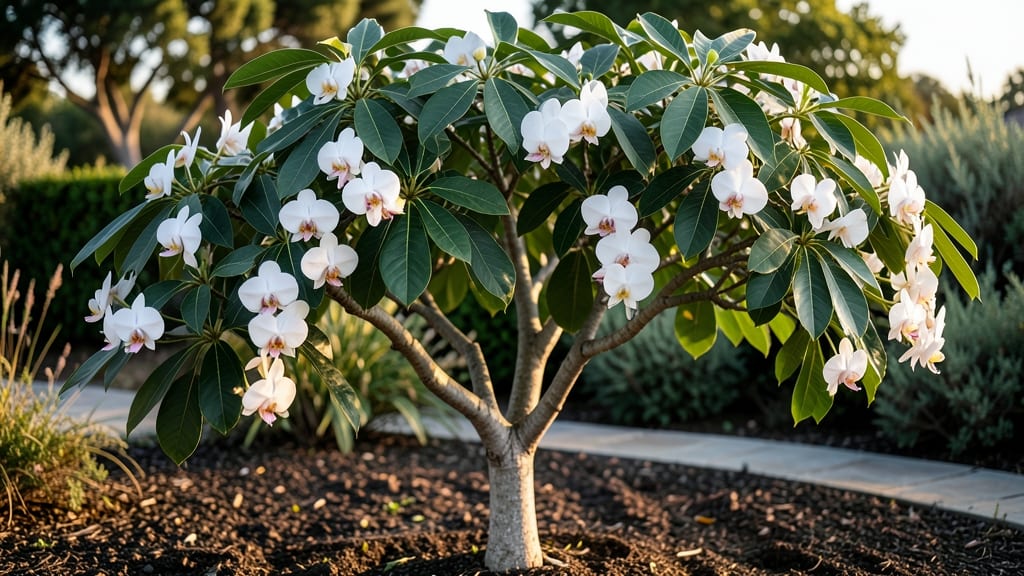
Growing a white orchid tree in the Pacific Northwest means embracing its tropical roots while protecting them from winter chill—something I learned the hard way after my first plant struggled through a wet Seattle winter.
These striking trees (Bauhinia variegata) bring show-stopping white blooms and delicate leaf shapes, but their cold sensitivity demands smart planning. The key isn’t just soil and sun—it’s creating a microclimate that mimics their native tropical deciduous forests while preparing for our damp, cool winters.
Start with well-draining soil mixed with compost (think 60% native soil, 30% compost, 10% perlite) and plant in full sun—at least 6 hours daily, though afternoon shade helps in hot summers.
In zones 8-10, they thrive outdoors year-round, but in the PNW (zones 7-8), you’ll need to dig up and overwinter roots in a protected spot or container. Containers also work year-round if you move them indoors before frost. The secret weapon?
A root-insulating layer of mulch or burlap around the base to shield from sudden temperature swings.
You’ll reward yourself with 3-4 weeks of fragrant white blooms in late spring, followed by lush foliage that turns golden in fall—a natural transition to dormancy. Prune back dead wood in early spring, and fertilize lightly in early summer with a balanced 10-10-10 mix.
The biggest mistake? Overwatering—let the top 2 inches dry out between waterings, and always use a pot with drainage holes if container-growing. With these adjustments, your white orchid tree will bloom reliably, even in our unpredictable climate.
For advanced gardeners, propagation from semi-hardwood cuttings in late summer works well—just dip in rooting hormone and keep humid until roots form. And if pests like aphids or spider mites appear (common in dry spells), a strong spray of water usually clears them.
The trade-off? These trees demand attention, but the payoff—those milky-white, butterfly-attracting blooms—makes every extra step worth it. Ready to give it a try?
📚 In This Guide
- What you need
- Instructions
- Tips and common mistakes
- Wrapping up and next steps
What you need
- ● White orchid tree (Bauhinia variegata) – Choose a cold-hardy variety or a young sapling (3-5 years old) for better acclimation.
- ● Well-draining soil mix – 50% cactus/succulent mix, 30% perlite, and 20% compost (avoid heavy clay!).
- ● Large container or in-ground plot – Minimum 15-gallon pot (or deeper for in-ground planting) with drainage holes.
- ● Organic mulch – 3-4 inches of pine bark or straw to insulate roots in winter.
- ● Slow-release fertilizer – Balanced 10-10-10 or orchid-specific granules (apply in early spring).
- ● Garden trowel or shovel – For planting and soil amendments.
- ● Pruning shears – Sterilized for shaping and deadheading.
- ○ Watering can or hose with nozzle – Drip irrigation (optional but ideal for consistent moisture).
- ● Thermometer – To monitor soil temps (aim for 50–85°F for optimal growth).
- ● Cold frame or frost cloth – Highly recommended for PNW winters (protects roots down to 20°F).
- ● Root stimulator – Like mycorrhizal fungi to boost cold resistance.
- ● Automatic soil moisture sensor – Prevents over/under-watering.
- ● Epsom salt – 1 tbsp/month in water for magnesium (supports blooms!).
- ● Support stake or trellis – If growing in windy PNW areas.
Step-by-step root care for Pacific Northwest white orchid trees
Here’s how to nurture this tropical-looking tree in our cool, wet climate—where winter survival and summer blooms depend on smart root management.
Choose the Right Container and Drainage Setup
White orchid trees (Bauhinia variegata) thrive in containers when given proper drainage, especially in the PNW’s rainy winters. Use a 5-gallon or larger container with multiple drainage holes—clay pots work best because they allow excess moisture to evaporate through the walls. If using plastic, add a 2-inch layer of gravel or expanded clay pebbles at the bottom to prevent root rot.
I always fill the bottom ¼ inch with orchid bark mix (not regular potting soil) to create air pockets. This mimics their native tropical habitat while preventing waterlogging. The bark will break down over time, improving soil structure naturally. Avoid garden soil—it compacts and suffocates roots, leading to fungal issues.
Plant with a Well-Draining, Acidic Soil Mix
White orchid trees demand fast-draining, slightly acidic soil (pH 5.5–6.5). Mix 50% premium cactus/succulent mix with 30% perlite and 20% worm castings for nutrients. This blend prevents soggy roots while providing essential minerals. Avoid peat moss—it retains too much moisture in our damp climate.
When planting, bury the root ball no deeper than its original level—deeper planting suffocates the trunk and invites rot. Gently press the soil around the roots to eliminate air pockets, then water lightly until it drains freely from the holes. Overwatering at this stage is the fastest way to kill a white orchid tree in our climate.
Adjust Watering for Seasonal PNW Conditions
In the PNW, overwatering in winter and underwatering in summer are the biggest killers. From October through March, water only when the top 2 inches of soil feel dry—this mimics the tree’s natural dormancy period. In April through September, water deeply every 5–7 days, ensuring water runs out the drainage holes. Never let the tree sit in saucers of standing water.
Here’s the trick: water in the morning so excess moisture evaporates by evening. If your tree’s leaves yellow or drop, it’s usually a sign of overwatering—cut back immediately. In hot summers, I mist the foliage daily to replicate humidity, but I avoid wetting the bark to prevent fungal growth.
Protect Roots from Winter Chill and Summer Heat
White orchid trees are not frost-hardy, but with the right precautions, they’ll survive PNW winters. In December and January, move the container to a garage or unheated shed where temperatures stay above 35°F. If you must keep it outdoors, wrap the pot in bubble wrap and place it on a thick layer of straw to insulate roots from freezing ground.
In summer, shield the tree from afternoon sun (1–4 PM) by placing it under 50% shade cloth. The roots can’t handle our intense midday heat combined with dry soil. I also fertilize lightly in June with a balanced 10-10-10 formula to encourage blooms, but I stop fertilizing by August to let the tree harden off for winter.
Prune and Repot for Long-Term Root Health
Prune dead or yellowing leaves in early spring to redirect energy to new growth. For bloom stimulation, trim back one-third of the longest stems after flowering. Use sterilized pruning shears to avoid introducing pathogens—this is especially critical in our damp climate.
Repot every 2–3 years in spring using fresh soil mix. Gently loosen the root ball and trim any circling or mushy roots with clean shears. If roots are tightly bound, it’s a sign the tree needs a larger container. After repotting, hold off on watering for 5–7 days to let roots establish without rotting.
Tips & tricks for Pacific Northwest white orchid tree root care
These insider strategies will help you navigate the PNW's tricky climate and keep your white orchid tree thriving year-round.
Container Selection: While clay pots are ideal, glazed ceramic containers can work too—as long as they have drainage holes. The key is creating a microclimate where moisture evaporates properly. I've found that terracotta pots actually help regulate soil temperature better than plastic during our cool summers, preventing root stress. Place your container on pot feet to improve airflow around the base, which is especially important during our damp winters.
Soil Mix Adjustments: The 50-30-20 soil mix works perfectly, but for even better results in our climate, consider adding a handful of orchid bark chunks (about 10%) to the mix. These larger pieces create additional air pockets that prevent compaction from our heavy winter rains. If you notice the soil breaking down faster than expected, simply refresh the mix with more perlite—this is particularly important if you're growing in a container that gets heavy when wet.
Seasonal Watering: The 2-inch soil check is reliable, but I've found that using a moisture meter gives more consistent results in our unpredictable PNW weather. In winter, if you're watering less frequently, consider adding a thin layer of mulch (about ½ inch) over the soil surface to help retain what little moisture the tree needs while preventing fungal growth. During summer, if you notice the soil drying too quickly between waterings, it might be time to move your tree to a slightly shadier spot.
Winter Protection: The 35°F minimum is critical, but don't stop there—consider adding a layer of insulated frost cloth around the pot for extra protection during our coldest nights. I've had success using a simple plastic storage bin with a tight-fitting lid to create a mini greenhouse effect during December and January. Just make sure to open it during the day to prevent overheating from any indoor heat sources. This extra layer of insulation can make all the difference between a thriving tree and one that struggles through our winters.
Pro Tips for White Orchid Tree
- These insider strategies will help you navigate the PNW's tricky climate and keep your white orchid tree thriving year-round.
- Container Selection: While clay pots are ideal, glazed ceramic containers can work too—as long as they have drainage holes.
- Soil Mix Adjustments: The 50-30-20 soil mix works perfectly, but for even better results in our climate, consider adding a handful of orchid bark chunks (about 10%) to the mix.
Frequently asked questions
Got questions about nurturing your white orchid tree (Bauhinia variegata) in the Pacific Northwest’s chilly climate? Here are some common concerns—and expert answers to help you grow thriving blooms year-round.
Can white orchid trees survive PNW winters?
The Bauhinia variegata is tropical by nature, so it’s not cold-hardy for PNW winters (Zones 8-11). However, you can grow it in containers and overwinter indoors near a sunny window (60–70°F). For outdoor planting, mulch heavily and protect with frost cloth—but expect minimal blooms until spring.
How do I protect my orchid tree from frost?
Frost can kill leaves and buds, but the tree’s roots are more resilient. Move potted trees indoors before temps drop below 35°F. For in-ground plants, wrap the trunk with burlap and cover with a blanket on cold nights. Prune back damaged growth in spring—new shoots will emerge once warm weather returns!
What’s the best soil mix for PNW orchid trees?
A well-draining, slightly acidic mix (pH 6.0–7.0) is key. Combine:
- 60% cactus/succulent mix (for aeration)
- 20% perlite or pumice (to prevent soggy roots)
- 20% compost or worm castings (for nutrients)
Why isn’t my white orchid tree blooming?
Blooms thrive with bright light (6+ hours/day) and warmth (70°F+). Common culprits:
- Insufficient sunlight (move indoors near a south-facing window)
- Overwatering (let soil dry between waterings)
- Lack of fertilizer (use balanced 20-20-20 in spring/summer)
- Stress from cold drafts (keep away from AC/heat vents)
Are there cold-hardy alternatives to white orchid trees?
If you want orchid-like blooms but with PNW resilience, try:
- Pacific Dogwood (Cornus nuttallii) – Hardy to Zone 5, white spring blooms
- Western Azalea (Rhododendron occidentale) – Fragrant white flowers, Zone 6
- Mock Orange (Philadelphus lewisii) – Sweetly scented, Zone 4
- Dwarf Orchid Tree (Bauhinia purpurea) – Slightly hardier (Zone 9), but still needs winter care
Wrapping up and next steps
The white orchid tree is a stunning addition to Pacific Northwest gardens, thriving even in cooler climates with the right root care. By following these tailored steps—from soil prep to winter protection—you’ll nurture a resilient tree that blooms beautifully year after year. 🌸
Ready to give your orchid tree the love it deserves? Start by monitoring its roots this season and adjust your care routine based on what you learn. Happy growing—your future blooms will thank you! 🌱