Pruning
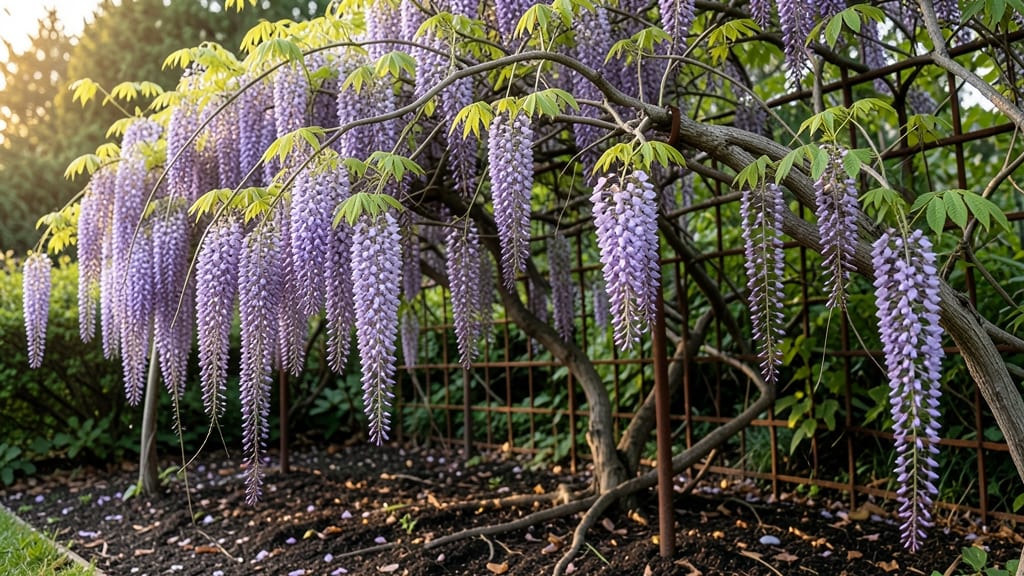
Your Pacific Northwest garden could have that dreamy, cascading beauty—but wisteria willow trees demand the right pruning to stay graceful and controlled. I’ve spent years shaping mine, and the difference between a wild tangle and a showstopper comes down to timing, technique, and a little patience.
The key is cutting back in late winter when the tree is dormant, which prevents sap loss and encourages those iconic, drooping branches to grow denser and longer.
Most people overlook how much pruning style shapes the tree’s personality. A willow’s natural weeping habit pairs perfectly with wisteria’s vibrant purple blooms, but without proper cuts, you’ll end up with leggy branches that flop instead of flow.
Start with a clean pair of bypass pruners and focus on removing 1/3 of last year’s growth—this keeps the structure airy while encouraging new, lush foliage. The goal? A tree that looks like it belongs in a storybook, not a tangled mess.
What you’ll get is a year-round focal point—silver-green willow leaves that shimmer in the rain, followed by wisteria blooms that perfume the air in spring. Pair it with a small water feature or let it drape over a pergola for maximum drama.
Just remember: these trees thrive in partial shade and moist, well-draining soil, so pick your spot carefully. The effort pays off in stunning, low-maintenance elegance that turns heads every season.
Whether you’re working with a young sapling or an established tree, the same principles apply. The Pacific Northwest’s mild winters make pruning easier than in colder climates, but don’t skip the late-winter timing—that’s when the magic happens.
With the right cuts, your wisteria willow will become the star of your garden, blending willow’s grace with wisteria’s bold color in one breathtaking package.
📚 In This Guide
- What you need
- Instructions
- Tips and common mistakes
- Wrapping up and next steps
What you need
- ● Pruning shears: Bypass pruners (sharp, clean, and rated for 2-inch cuts)
- ● Lopping shears: For thicker branches (up to 3-inch diameter)
- ● Pruning saw: Curved blade for 4+ inch branches (avoid cheap tools—they dull fast!)
- ● Gloves: Heavy-duty, cut-resistant (wisteria thorns are no joke!)
- ● Disinfectant: 70% isopropyl alcohol or pruning sealant (to prevent disease spread)
- ● Extension pole: 10–15 feet (for high branches—safety first!)
- ● Ladder: Sturdy, non-slip (if working over 6 feet high)
- ● Heavy-duty trash bags: For debris cleanup (wisteria vines = lots of clippings!)
- ● Marking twine or flags: To tag branches for future reference
- ● Pruning rope: For securing large branches during cuts
- ● Safety glasses: Protect your eyes from flying debris
- ● Work boots: With ankle support for stability
- ● Hose or spray bottle: To clean tools mid-prune and rinse sap off cuts
- ● Camera: Snap photos of your tree before/after for progress tracking!
Step-by-Step pruning for wisteria willow tree growth
Here’s the exact method I’ve refined over years of growing wisteria willow trees in the Pacific Northwest’s damp climate.
Understand the Right Time to Prune
Timing is everything with wisteria willow trees. Prune during late winter or early spring, just before new growth begins. This is when the tree is still dormant but about to burst into activity. In the Pacific Northwest, aim for February to March—after the worst winter storms have passed but before buds swell. Pruning too early risks exposing tender wood to late frosts, while waiting too long encourages uncontrolled growth.
Look for the first signs of bud swelling as your cue. If you see tiny green buds forming along the branches, it’s time to act. This precise timing ensures you shape the tree without stimulating premature growth that can’t survive cold snaps. I always mark my calendar with the last frost date and prune 2-3 weeks before that date to stay ahead of the season.
Remove Dead, Diseased, or Weak Wood
Start by inspecting the tree for branches that are dead, diseased, or crossing. Dead wood is easy to spot—it’s brittle, lacks leaves, and often has a hollow center when tapped. Diseased branches may have discolored patches, oozing sap, or fungal growth. Use clean, sharp pruning shears to make cuts just outside the branch collar, the swollen area where the branch meets the trunk. This ensures the tree can seal the wound properly and prevents rot.
Next, remove any branches that are rubbing against each other. These crossing branches create wounds that invite pests and disease. If two branches are growing in the same direction, keep the stronger one and remove the weaker. You’ll know which is stronger by the thickness of the branch—thicker branches are more resilient. Always cut back to a healthy bud or lateral branch to encourage new growth in the right direction.
Shape for Airflow and Light Penetration
The wisteria willow tree thrives when its branches receive even sunlight and airflow. Start by thinning out the center of the tree to reduce congestion. Remove 20-30% of the branches, focusing on those that grow inward or downward. This opens up the canopy, allowing light to reach the inner branches and reducing humidity that can lead to fungal issues. In the Pacific Northwest’s rainy climate, airflow is critical for preventing mold and mildew.
Next, shorten the remaining branches by one-third to one-half to encourage bushier growth. Cut just above a healthy bud that faces the direction you want the branch to grow. For example, if you want a branch to grow outward, select a bud that’s pointing away from the center of the tree. Avoid cutting too close to the trunk—this can damage the tree’s vascular system. Always make clean cuts at a 45-degree angle just above the bud to promote healing.
Encourage New Growth and Flowering
To stimulate new growth and flowering, focus on the outer branches of the tree. These are the most vigorous and will produce the most blooms. Prune back the tips of these branches to encourage lateral buds to swell and grow. This technique, called "heading back," redirects the tree’s energy from vertical growth to horizontal branches, which is where the flowers and foliage will develop.
In the Pacific Northwest, wisteria willow trees benefit from a second, lighter pruning in early summer after the flowering season. This involves removing any suckers or water sprouts that appear along the trunk or branches. These fast-growing shoots divert energy from the main structure of the tree. Use your fingers or small pruners to pinch them off at the base. This keeps the tree’s energy focused on producing strong, healthy branches for next year’s blooms.
Tips & tricks for pruning wisteria willow trees
These refined techniques will help you transform your wisteria willow tree into a thriving, graceful specimen that blooms beautifully each season.
Timing Precision: The February to March window is critical for Pacific Northwest climates. I check local frost dates and mark my calendar to prune exactly 2-3 weeks before the last expected frost. This timing prevents exposing tender new growth to late cold snaps while still allowing the tree to benefit from winter's dormancy. If you miss this window, you risk encouraging uncontrolled growth that can become unmanageable.
Tool Selection: Invest in high-quality, clean pruning shears and loppers—dull tools crush branches instead of making clean cuts. I sterilize my tools with rubbing alcohol between cuts to prevent spreading disease. For larger branches, use three-cut pruning technique: make an undercut, then top cut, and finally remove the branch stub. This prevents tearing the bark and creates cleaner wounds that heal faster.
Branch Identification: When removing 20-30% of branches in Step 3, prioritize those growing inward or downward. These branches create dense centers that block sunlight and airflow. Look for branches with buds pointing outward—they'll grow in the direction you want. I always make a small mark on branches I'm unsure about to remind myself which ones to remove later.
Post-Pruning Care: After pruning, apply a thin layer of wound sealant to larger cuts (over ½ inch in diameter) to prevent disease entry. Water the tree thoroughly to help it recover from the stress of pruning. In the Pacific Northwest's damp climate, I also recommend a light application of fungicide if you notice any signs of fungal growth after pruning.
Pro Tips for Wisteria Willow Tree
- These refined techniques will help you transform your wisteria willow tree into a thriving, graceful specimen that blooms beautifully each season.
- Timing Precision: The February to March window is critical for Pacific Northwest climates.
- Tool Selection: Invest in high-quality, clean pruning shears and loppers—dull tools crush branches instead of making clean cuts.
Frequently asked questions
Got questions about pruning your Wisteria Willow Tree? You’re not alone!
Here are answers to the most common inquiries from Pacific Northwest gardeners—plus pro tips to keep your tree thriving.
When is the best time to prune a Wisteria Willow Tree?
The ideal window is late winter or early spring (February–March in the PNW), before new growth emerges. This prevents stressing the tree and encourages vibrant blooms. Avoid pruning in fall—it can stimulate tender growth vulnerable to frost. Pro tip: If you missed the window, prune in early summer after flowering, but expect fewer blooms next year.
How much can I trim back my Wisteria Willow Tree?
For young trees, remove up to 1/3 of the total growth to shape and encourage branching. Mature trees can handle 20–30% of last year’s growth per year. Never cut more than that—it stresses the tree and risks dieback. Focus on thinning dense areas and deadheading spent flowers to redirect energy.
Does the Pacific Northwest’s rainy climate affect pruning?
Wet conditions can slow wound healing and invite fungal diseases. Prune on dry days and sterilize tools with rubbing alcohol. If pruning during rain, avoid heavy cuts—stick to light shaping. Also, water deeply post-prune to help recovery, especially in the PNW’s damp but cool springs.
Why isn’t my Wisteria Willow Tree blooming after pruning?
Blooms form on old wood, so over-pruning (especially in late summer/fall) can reduce flowers. If blooms are sparse, check for:
- Age: Young trees (under 3 years) may not bloom yet.
- Sunlight: Needs 6+ hours of sun daily—PNW shade can limit blooms.
- Fertilizer: Low phosphorus (middle number on NPK) can stunt flowers.
Are there alternatives to Wisteria Willow Trees for low-maintenance gardens?
If pruning feels overwhelming, consider these PNW-friendly alternatives with similar grace:
- Weeping Cherry (Prunus subhirtella): Dramatic cascading branches, minimal pruning needed.
- Smoke Tree (Cotinus): Tolerates shade, drought-resistant, and has feathery foliage.
- Japanese Maple (Acer palmatum): Compact, low-maintenance, and thrives in partial shade.
Wrapping up and next steps
Mastering the art of pruning your wisteria willow tree transforms it from a wild, sprawling vine into a stunning, well-managed feature of your Pacific Northwest garden. 🌿 With the right tools, timing, and techniques—like selective cutting and strategic shaping—you’ll encourage healthier growth, vibrant blooms, and that coveted graceful elegance.
Now that you’re armed with expert tips and FAQs, there’s no better time to roll up your sleeves and give your wisteria the TLC it deserves!
Ready to take action? Pick a calm, dry day and grab your pruners—your tree (and future garden guests!) will thank you. Happy pruning! 🌸