
Pruning
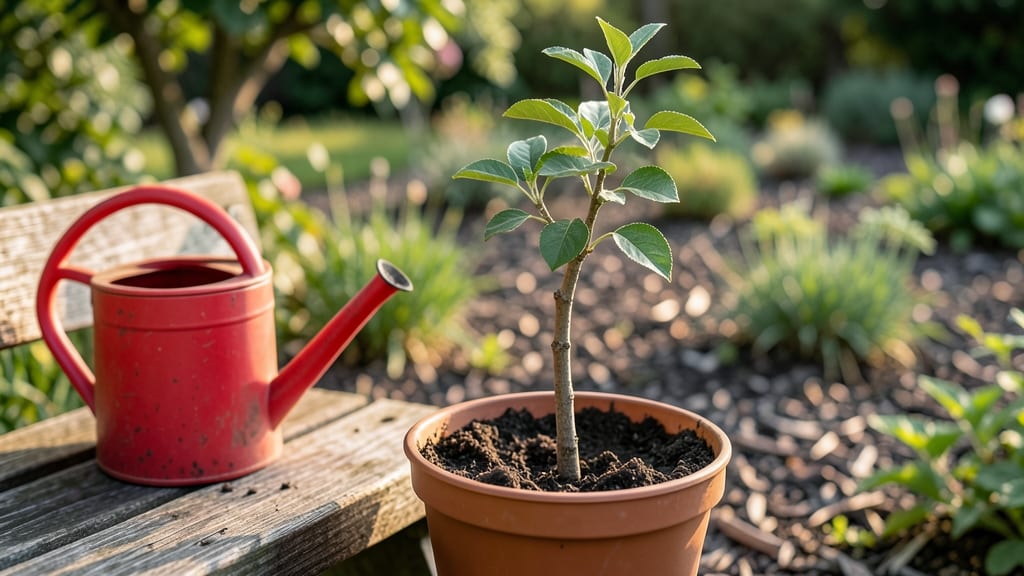
Caring for apple tree seedlings in the Pacific Northwest means beating the odds—those first few years decide whether your tree survives winter or becomes a sad, frost-scorched stump.
I’ve nursed seedlings through our damp, chilly winters, and the key isn’t just water or sunshine—it’s timing and soil prep that makes all the difference. The right mix of patience and technique turns a fragile sapling into a sturdy young tree ready to fruit in years to come.
You’ll need well-draining soil (amend with compost if yours is heavy clay), a sunny spot with at least 6 hours of light, and a watering routine that keeps roots moist but never soggy.
Pruning young branches now shapes the tree’s future strength—cut back any crossing limbs or weak growth early, and you’ll avoid future problems. The real secret? Mulching heavily in late fall to protect roots from our brutal frosts, while still letting air circulate to prevent rot.
By next summer, your seedling will stand taller and thicker than neighbors who skipped these steps, with glossy leaves and no signs of stress. You’ll spot new growth in spring that tells you the tree’s root system is thriving, not just surviving.
The best part? These early habits mean your tree will bear fruit sooner and handle our wet winters like a pro.
Works for any Pacific Northwest climate—whether you’re in Seattle’s rain shadow or Portland’s foggy valleys. Let’s get those seedlings off to the right start before winter hits.
📚 In This Guide
- What you need
- Instructions
- Tips and common mistakes
- Wrapping up and next steps
What you need
- ● Apple tree seedling: Choose a Malus domestica variety (e.g., 'Gala,' 'Fuji,' or 'Granny Smith') or a cold-hardy heirloom suited for USDA Zones 6-8. Opt for a 1-2 year old bare-root or potted seedling (4-6 ft tall).
- ● Planting site: Full sun (6+ hours/day).
- ● Well-draining soil (pH 6.0-7.0).
- ● Space: Minimum 15-20 ft between trees (25+ ft for dwarf varieties).
- ○ Soil amendments (optional but recommended): Compost (5-10 gallons) for nutrient-rich soil.
- ● Organic matter (e.g., leaf mold or peat moss) to improve drainage.
- ● Lime (if soil pH is <6.0; test kit required).
- ● Planting supplies: Shovel or trowel.
- ● Garden hose with spray nozzle.
- ● Mulch (wood chips or straw, 2-3 inches thick).
- ● Support system (for young seedlings): Stakes (2-3 ft tall, 2-3 per tree).
- ● Soft tree ties or fabric strips.
- ● Frost cloth or row covers: Lightweight fabric (50-60% shade) for young seedlings during late frosts (Zone 7+).
- ● Windbreak: Temporary burlap or mesh screen to shield from harsh coastal winds.
- ○ Drip irrigation kit (optional): For consistent moisture during dry spells.
- ● Pruning tools: Bypass pruners (for clean cuts).
- ● Loppers (for thicker branches).
- ● Disinfectant (rubbing alcohol or bleach solution).
- ● Soil test kit (to check pH and nutrient levels).
- ● Local frost date guide (from The Old Farmer’s Almanac or USDA).
- ● Patience! Apple trees take 4-7 years to bear fruit.
Step-by-step guide to nurturing young apple trees in cold climates
Here’s how I’ve grown sturdy apple seedlings that thrive through Pacific Northwest winters.
Plant Seedlings at the Right Time and Depth
Timing matters most in cold climates. Plant your seedlings in early spring, after the last frost date but before new growth begins. Choose a sunny spot with at least 6 hours of direct sun daily—apple trees need full sun to develop strong wood and fruit buds. Dig a hole twice as wide as the root ball but only as deep as the container’s base to avoid burying the graft union.
Gently loosen the roots if they’re circling the pot, then place the seedling in the hole so the top of the root ball sits 1-2 inches above ground level. This prevents water from pooling around the stem, which can rot tender young roots. Backfill with native soil, pressing lightly to remove air pockets. Water deeply until moisture reaches 12 inches down—you’ll see the soil settle around the roots.
Mulch and Water for Frost Protection
Spread 3-4 inches of organic mulch (like wood chips or straw) around the base, keeping it 6 inches away from the trunk to prevent moisture buildup. Mulch insulates roots in winter and retains moisture during dry summer months. In the Pacific Northwest, where frosts linger into May, this layer can mean the difference between survival and loss.
Water deeply once a week during the first growing season, aiming for 1-2 gallons per seedling. Check moisture by sticking your finger 2 inches into the soil—it should feel damp but not soggy. Overwatering in cool climates leads to root rot, while underwatering stresses young trees. In winter, reduce watering to once every 2-3 weeks unless we have an unusually dry spell.
Prune for Strong Structure and Cold Hardiness
Prune in late winter or early spring before buds swell, using clean, sharp pruners to make cuts at a 45-degree angle just above a bud. Remove any dead, crossing, or inward-growing branches first—these compete for energy and weaken the tree. For young seedlings, aim to shape an open center with 3-5 main scaffold branches spaced evenly around the trunk.
Never remove more than 25% of the tree’s foliage in one season, or you’ll shock the seedling. After pruning, apply a thin layer of wound dressing (like tree paint) to larger cuts to prevent disease entry. In cold climates, pruning encourages thicker wood formation, which resists winter damage better than thin, brittle branches.
Protect from Late Frosts and Pests
Pacific Northwest gardens often face late spring frosts after buds have swollen. Cover young trees with frost cloth on chilly nights, securing it loosely so it doesn’t damage new growth. Remove it during the day to let sunlight reach the leaves. This simple step can save your tree from blackened blossoms or damaged leaves.
Watch for apple maggots and codling moths—common pests in the region. Use row covers early in the season or apply organic sprays like neem oil when you spot signs of infestation. Healthy seedlings with strong roots are less susceptible to pests, so prioritize soil health and proper watering to build resilience.
Tips & tricks for perfect apple tree seedling care
Here's what I've learned after years of watching seedlings thrive (and sometimes struggle) in our chilly Pacific Northwest climate. These are the details that make all the difference between a tree that barely survives winter and one that grows strong for decades.
Timing is Everything: The early spring planting window is narrower than you might think. I check my local frost dates religiously—planting too early risks cold snaps damaging tender new roots, while waiting too long means the seedling won't establish before summer heat arrives. If you miss the ideal window, you can still plant, but be prepared to provide extra protection during unexpected late frosts. The 6 hours of daily sun requirement is non-negotiable, especially in cloudy Pacific Northwest summers.
Root Care During Planting: When loosening circling roots, don't go overboard—just gently separate them so they spread naturally. I've seen seedlings with roots so aggressively teased they actually tear when planted. The 1-2 inches above ground level positioning is crucial: any lower and you risk stem rot from water pooling, while higher can expose roots to temperature swings. That first deep watering to 12 inches down is what tells the roots "you're home now"—don't skip it.
Mulch Application Secrets: The 3-4 inches of mulch should look like a volcano around your tree, with the sides sloping down to keep water away from the trunk. I've learned the hard way that piling mulch against the trunk creates perfect conditions for rot. In our region, I often add an extra inch of mulch in fall to give seedlings that critical insulation boost for their first winter. The 6-inch clearance from the trunk isn't just about aesthetics—it's about airflow that prevents fungal issues.
Pruning Precision: When shaping those 3-5 scaffold branches, think of them as spokes on a wheel radiating from the trunk. I mark potential branch locations with a pencil before making cuts—this helps me visualize the open center structure. That 25% foliage limit is harder to judge than it sounds: if you're removing more than a few branches, you're likely over-pruning. The 45-degree angle cuts might seem fussy, but they actually help water run off and prevent disease entry points.
Pro Tips for Apple Tree Seedling Care
- Here's what I've learned after years of watching seedlings thrive (and sometimes struggle) in our chilly Pacific Northwest climate.
- Timing is Everything: The early spring planting window is narrower than you might think.
- Root Care During Planting: When loosening circling roots, don't go overboard—just gently separate them so they spread naturally.
Frequently asked questions
Got questions about nurturing your apple tree seedling in the Pacific Northwest’s chilly climate? You’re not alone! Here are some of the most common concerns—and straightforward answers—to help you grow a thriving, frost-resistant tree.
How long does it take for an apple tree seedling to bear fruit?
Patience is key! Apple tree seedlings grown from seed (not grafted) can take 5–10 years or longer to bear fruit—if they do at all. For faster, reliable results, consider grafting a known variety onto your seedling or buying a grafted tree from a nursery.
Can apple tree seedlings survive Pacific Northwest winters without extra protection?
Most apple seedlings are hardy to USDA Zones 4–7, but young trees (especially first-year seedlings) benefit from extra frost protection. Use mulch (straw or wood chips) around the base and wrap the trunk with burlap or frost cloth in extreme cold (<20°F). Prune in late winter to reduce stress before buds swell.
What’s the best time to transplant a young apple tree seedling?
Transplant seedlings during their dormant season—either late fall or early spring (before buds break). Avoid transplanting in summer heat or winter freezes. Dig a hole twice as wide as the root ball, amend with compost, and water deeply to reduce shock.
Why are my seedling’s leaves yellowing or curling?
Yellow leaves often signal overwatering, nutrient deficiency, or pests. Check the soil—it should be moist but not soggy. For curling, inspect the undersides for mites or aphids (spray with neem oil if needed). A balanced fertilizer (10-10-10) in early spring can also help.
Can I grow a true-to-type apple tree from a seed?
Nope! Seeds produce wild, unpredictable apples—often inedible or with poor flavor. For consistent, delicious fruit, graft a named variety (like ‘Granny Smith’ or ‘Honeycrisp’) onto your seedling. Nurseries sell grafted trees labeled for your zone.
How do I know if my seedling is getting enough sun?
Apple trees need 6–8 hours of full sun daily. If leaves are sparse or pale, your seedling may be shaded. Look for leaning growth or weak stems—signs it’s stretching toward light. Thin nearby trees/shrubs or relocate if possible.
Wrapping up and next steps
Caring for your apple tree seedling in the Pacific Northwest is all about patience, preparation, and a little love! 🌱 With the right frost-resistant varieties, proper pruning techniques, and consistent soil and water management, your young tree will thrive and reward you with delicious fruit in years to come.
Remember, every expert gardener started with a single seedling—your journey begins now!
Ready to take the next step? Monitor your tree’s growth, adjust care as needed, and soon, you’ll be harvesting homegrown apples straight from your garden. Happy growing! 🍏🌿