Trees
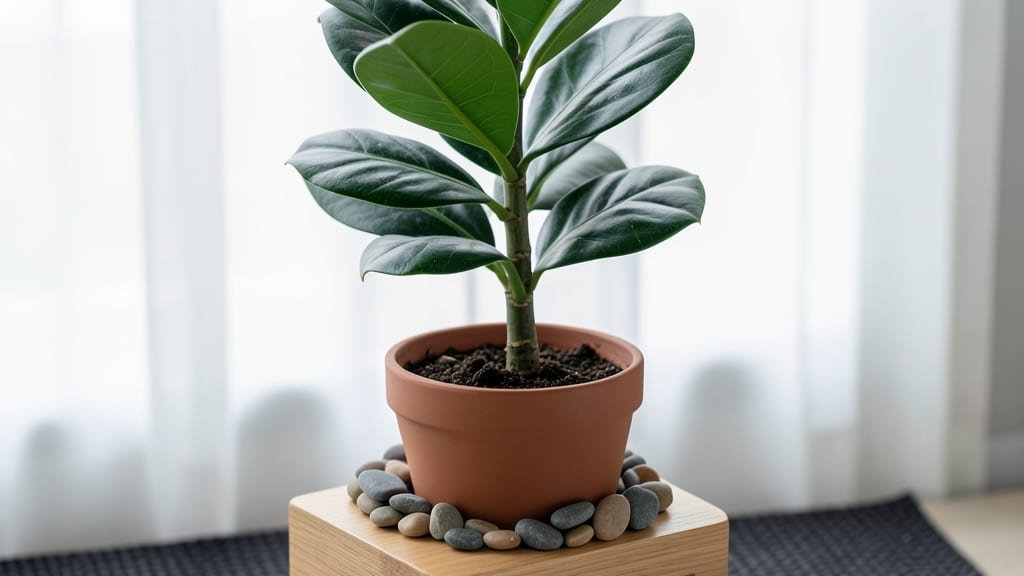
Potted trees bring unexpected drama to small spaces—my dwarf Japanese maple in a 15-gallon ceramic pot still turns heads after five years. The secret isn’t just picking the right species; it’s matching their natural growth habits to container life.
Some varieties stay tiny forever, while others tolerate root confinement surprisingly well.
You’ll want trees that mimic their wild roots—species like dwarf citrus, olive, or Japanese maple thrive in pots because they evolved in rocky, shallow soils. Most need at least 5 gallons for every foot of mature height, but deeper (not wider) containers prevent root circling.
Sunlight needs vary wildly: some crave full sun, others prefer dappled shade.
What you end up with is a living centerpiece that grows with you—fragrant jasmine climbing a trellis, ornamental cherry bursting with spring blooms, or olive trees that produce tiny fruit.
The key is checking root flare at planting and upgrading pots every 2-3 years. Small spaces deserve this kind of impact.
Works for patios, balconies, or even bright indoor nooks—just match the tree to your light and space. Let’s pick the perfect one for your vision.
📚 In This Guide
- What you need
- Instructions
- Tips and common mistakes
- Wrapping up and next steps
What you need
- ● Pots: 1-3 containers (depending on tree size) with drainage holes; minimum 12-inch diameter for small trees, 18+ inches for larger varieties.
- ● Potting Mix: 1 bag (5-10 gallons) of well-draining, airy mix (e.g., 60% inorganic matter like perlite/pumice, 40% organic like peat or coconut coir).
- ● Tree: 1 compact, container-adapted species (e.g., Dwarf Japanese Maple, Olive Tree, or Citrus varieties).
- ● Gravel or Rocks: Small pebbles (1-2 lbs) for drainage layer at pot bottom.
- ● Watering Can: 1 gallon-sized with a rose attachment for gentle watering.
- ● Pruning Shears: 1 pair (sharp, sterilized) for trimming.
- ● Slow-Release Fertilizer: 1 packet (e.g., Osmocote or organic options like fish emulsion).
- ● Pot saucers (2-3) to catch runoff and protect surfaces.
- ● Mulch (e.g., bark chips) to retain moisture and suppress weeds.
- ● Support stakes or trellis for trees needing structural help (e.g., Dwarf Citrus).
- ● pH testing kit to monitor soil health (especially for acid-loving trees like Azaleas).
- ● Automatic self-watering system for frequent travelers or forgetful plant parents!
How to select and care for compact trees in containers
Here’s my go-to approach for choosing and maintaining trees that stay small but strong in pots.
Choose the Right Tree Variety for Containers
Not all trees tolerate container life—look for dwarf or slow-growing species bred for pots. Japanese maples (Acer palmatum), dwarf citrus like Meyer lemon (Citrus × meyeri), and olive trees (Olea europaea ‘Little Ollie’) are top performers. Avoid fast-growing trees like willows or poplars; their roots outpace pot size and lead to stress.
Check the mature height of the variety—most container-friendly trees stay under 6 feet tall when pruned regularly. I always verify the root system type: shallow-rooted trees like figs adapt better to pots than deep-rooted ones like oaks. Container trees need well-draining soil and adequate airflow to prevent root rot.
Select the Proper Container and Drainage
Size matters more than aesthetics: the pot should be at least 12 inches deep for small trees, with drainage holes to prevent waterlogging. Terracotta pots wick moisture away naturally, but they dry out faster—great for Mediterranean varieties like olives. For tropical trees, go for glazed ceramic or plastic to retain humidity.
I recommend one extra gallon of soil volume per foot of tree height. A 15-gallon pot works for a 3-foot dwarf citrus, but upgrade to 20+ gallons for taller specimens. Elevate pots on feet or saucers to improve drainage and airflow at the base. If repotting, increase pot size by 2-3 inches in diameter each time to avoid shocking the roots.
Prepare Soil and Planting Conditions
Use a well-draining potting mix formulated for trees—avoid garden soil, which compacts and suffocates roots. I blend 60% potting mix, 20% perlite, and 20% compost for extra nutrients. Add a slow-release fertilizer (like Osmocote) at planting to support growth over 3-6 months.
Plant in early spring when roots can establish before summer heat. Dig a hole twice as wide as the root ball but no deeper—burying the trunk too far invites rot. Water deeply after planting until it drains from the bottom. Mulch with 2-3 inches of bark chips to retain moisture and regulate soil temperature.
Maintain Light, Water, and Pruning
Most container trees need full sun (6+ hours daily)—place them where they’ll get morning sun and afternoon shade in hot climates. Dwarf citrus thrives in 60-80°F with bright light, while Japanese maples prefer partial shade to prevent leaf scorch. Adjust placement seasonally: move trees indoors before temperatures drop below 40°F or exceed 90°F.
Water when the top 2 inches of soil feel dry—overwatering is the #1 killer of potted trees. I use the finger test to check moisture: stick your finger in the soil. If it’s damp past the first knuckle, wait another day. Fertilize every 4-6 weeks during growing season with a balanced 10-10-10 formula, cutting back in winter.
Prune in late winter or early spring to shape the tree and remove dead branches. I use clean, sharp shears to make cuts just above a leaf node or bud. Avoid heavy pruning—container trees have limited energy reserves. Thin out crowded branches to improve airflow and reduce disease risk.
Tips & tricks for perfect container tree care
Took me years of trial and error to perfect these container tree care strategies—here's how to avoid the most common pitfalls while maximizing growth potential.
Variety Matters: When selecting your tree, prioritize root structure over just the above-ground appearance. The instructions mention shallow-rooted trees like figs, but I've found dwarf bay laurels also excel in containers due to their adaptable root systems. Always check the mature height specification—even "dwarf" varieties can grow unexpectedly large if not pruned properly. The 6 feet tall guideline is ideal, but some varieties like Citrus × meyeri can reach 8 feet with careful pruning.
Pot Selection Strategy: The recommended 12-inch depth is perfect, but I've learned that wider pots (with 2-3 inches more diameter) actually help shallow-rooted trees like Japanese maples spread their roots more naturally. For trees over 4 feet tall, consider adding two drainage holes—one at the bottom and one midway up the pot—to prevent waterlogging in the lower soil layers. This is especially critical for Mediterranean varieties that prefer drier conditions.
Soil Mix Science: While the 60-20-20 blend works well, I've had better results with 50% potting mix, 30% perlite, and 20% compost for citrus varieties. The extra perlite prevents salt buildup from fertilizers, which can occur in containers. For tropical trees, reduce perlite to 15% and add 5% coconut coir to retain more moisture. Always test your soil mix by watering it thoroughly—if water pools on top after 10 minutes, your mix needs more perlite or sand.
Seasonal Placement: The temperature guidelines of 60-80°F for citrus and 40-90°F range for others are spot-on, but I've developed a simple seasonal rotation system. In spring and fall, place trees on elevated stands to improve airflow and prevent fungal diseases. During summer, move them to dappled shade by 11 AM to protect leaves from intense afternoon sun. For winter, I wrap the pots in burlap to insulate roots from temperature fluctuations—this is particularly important for Mediterranean varieties that struggle with cold snaps.
Pro Tips for Best Trees For Potting
- Took me years of trial and error to perfect these container tree care strategies—here's how to avoid the most common pitfalls while maximizing growth potential.
- Variety Matters: When selecting your tree, prioritize root structure over just the above-ground appearance.
- For trees over 4 feet tall, consider adding two drainage holes—one at the bottom and one midway up the pot—to prevent waterlogging in the lower soil layers.
Frequently asked questions
Got questions about potting trees? You’re not alone! Here are some of the most common concerns—and their straightforward answers—to help you pick and care for the perfect container-friendly tree.
What’s the easiest tree to grow in a pot?
For beginners, Dwarf Alberta Spruce or Japanese Maple ‘Bloodgood’ are top picks. They’re low-maintenance, tolerate small spaces, and handle pruning well. Just ensure they get the right sunlight and watering—no fancy skills required!
How often should I repot a tree in a container?
Repot every 2–3 years or when roots circle the pot (a sign it’s root-bound). Spring is ideal—avoid winter or summer stress. Use a pot 2–4 inches wider than the current one and fresh, well-draining soil.
Why is my potted tree turning yellow?
Yellow leaves usually mean overwatering or nutrient deficiency. Check the soil—it should dry out slightly between waterings. Feed with a balanced fertilizer in spring/summer, and ensure the pot has drainage holes to prevent soggy roots.
Can I keep a large tree (like a fig or olive) in a pot long-term?
Yes, but it’ll need regular pruning and large containers (20+ gallons). Root prune every few years to manage growth. Dwarf varieties (e.g., Olive ‘Little Ollie’) are better for small spaces—just research their mature size first!
Do potted trees need winter protection?
Most tropical or subtropical trees (like Citrus or Olive) need shelter from frost. Move pots to a garage or wrap them in burlap if temps drop below 20°F. Evergreens (e.g., Pine) may need extra water to prevent drought stress.
Still stumped? Drop your tree type or concern in the comments—we’re happy to help!
Wrapping up and next steps
Choosing the right tree for potting can transform your space into a lush, green oasis—even with limited room! From the dwarf citrus trees that burst with fragrance to the bonsai-friendly junipers that exude elegance, these compact varieties thrive in containers while adding beauty and life.
Whether you’re a seasoned gardener or just starting, the key is selecting a species that matches your climate, care level, and container size.
Ready to bring your vision to life? Start small: Pick a tree from our top picks, grab a pot, and get planting! With the right care, your container tree will flourish and become the star of your outdoor (or indoor!) decor. 🌿✨