
Pruning
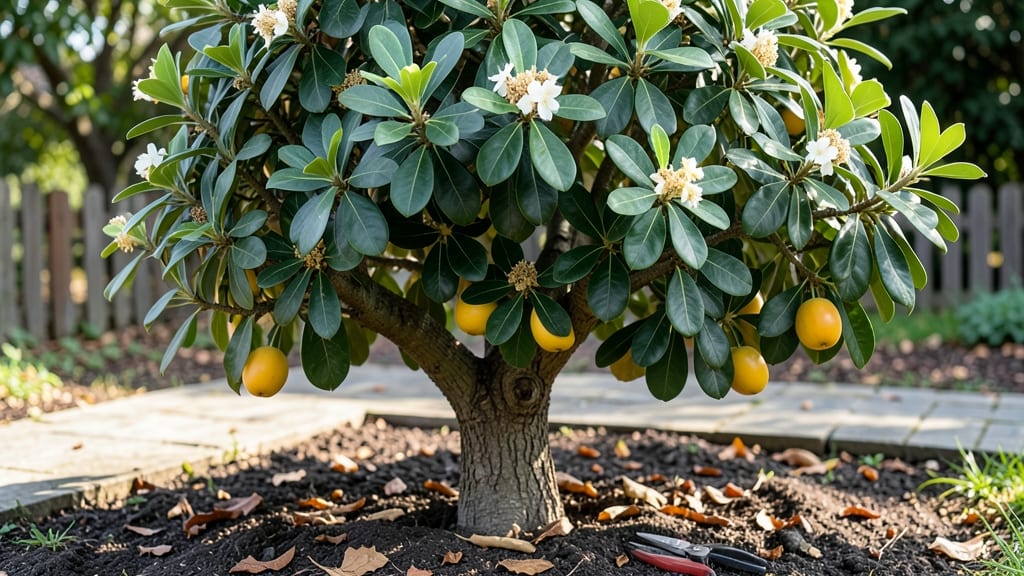
Pruning a big loquat tree isn’t just about keeping branches in check—it’s the secret to unlocking sweeter fruit, thicker canopies, and a tree that stays manageable for decades.
I’ve wrestled with my own 15-foot loquat for years, and the difference between a neglected mess and a productive powerhouse comes down to timing, cuts, and a little patience. The right pruning turns a sprawling giant into a well-behaved fruit factory, even in small yards.
Here’s the game-changer: loquats fruit on both old and new wood, so aggressive pruning won’t ruin your harvest—if you do it right.
You’ll need sharp pruners, a ladder (for the high branches), and a clear plan for three key cuts: structural shaping in late winter, light thinning after harvest, and cleanup pruning in early spring. The goal?
Open the canopy for sunlight and air, which means fewer diseases and more fruit next season.
By summer, you’ll notice the difference: branches heavy with golden fruit, leaves that stay vibrant instead of yellowing, and a tree that’s actually easier to reach. The best part? Loquats ripen over weeks, so you get a steady supply of those tropical-tasting treats straight from your backyard.
Let’s get those shears out and turn your loquat into the star of your garden.
This works for any size loquat—whether it’s a young sapling or a mature giant—just adjust the tools and timing. And don’t worry if you’ve never pruned before: I’ll walk you through the exact cuts to make, what to avoid, and how to spot a pruning mistake before it’s too late.
Your tree will thank you with fruit that tastes like sunshine.
📚 In This Guide
- What you need
- Instructions
- Tips and common mistakes
- Wrapping up and next steps
What you need
- ● Pruning shears: Bypass pruners (for small branches, ¼”–¾” thick)
- ● Loppers: 1 pair (for medium branches, ¾”–2” thick)
- ● Pruning saw: 1 (for thick branches, 2”+ thick)
- ● Disinfectant: 70% isopropyl alcohol or bleach solution (1 part bleach to 9 parts water) (for tools and cuts)
- ○ Pruning sealant: Optional (for large cuts, 1–2 oz bottle)
- ● Gloves: Heavy-duty work gloves (to protect from thorns and sap)
- ● Safety gear: Safety glasses (if working near eyes or in windy conditions)
- ● Weather check: Prune on a dry, overcast day (avoid rainy or windy conditions)
- ● Tree inspection: Identify dead, diseased, or crossing branches before you start
- ● Cleanup supplies: Heavy-duty trash bags (for debris) and a wheelbarrow (if hauling branches)
- ○ Ladder (optional): Extendable or step ladder (for tall trees, 6–12 ft height)
- ○ Notebook/pencil: To sketch a quick pruning plan (optional but helpful for beginners!)
Step-by-Step guide for pruning a big loquat tree
Here's how to maintain your loquat tree's health and fruit production through each season.
✂️ Step 1: Winter Pruning for Structure and Airflow
Start your pruning in late winter or early spring, just before new growth begins. This is when the tree is dormant, making it easier to see the branch structure. Focus on removing any dead, diseased, or crossing branches first—these compete for energy and can harbor pests.
Use sharp, clean pruning shears to make cuts just outside the branch collar, the swollen area where the branch meets the trunk. Avoid leaving stubs, as they can invite rot. For larger branches over ½ inch thick, use a pruning saw and make the cut at a slight angle to prevent water from pooling.
Open up the center of the tree by removing any branches growing inward. This improves airflow and sunlight penetration, which are critical for fruit development. Aim to keep the tree's shape balanced—loquats thrive when they have good light exposure throughout their canopy.
☀️ Step 2: Light Summer Pruning After Fruit Harvest
After harvesting your loquats in late spring or early summer, take a second pass to trim back any overly vigorous growth. This keeps the tree manageable and directs energy toward fruit production rather than excessive foliage.
Look for "water sprouts"—fast-growing, vertical shoots that emerge from the trunk or branches. These saplings divert energy from fruit-bearing wood. Snip them off at the base with clean shears. You can also lightly prune any branches that are rubbing against each other, as friction can damage the bark.
This is also a good time to shape the tree by thinning out crowded branches. Step back and visualize the tree’s silhouette—remove any branches that disrupt the natural form. Avoid heavy pruning in summer, as it can stress the tree and reduce fruit set for the next season.
⏰ Step 3: Minimal Fall Pruning for Winter Readiness
Fall pruning should be light and focused on preparing the tree for winter. Remove any branches that have produced fruit this year, as they’re less productive in subsequent seasons. Cut them back to a strong lateral branch or the trunk.
Inspect the tree for signs of disease or pest damage, such as holes in leaves or discolored bark. Prune out any affected branches immediately, then disinfect your tools with rubbing alcohol to prevent spreading pathogens. Avoid heavy pruning now—new growth stimulated in fall won’t harden off before winter and could be damaged by frost.
Finally, clear away any fallen leaves or debris from under the tree. This reduces the risk of fungal diseases over winter. A clean base also makes it easier to spot early signs of trouble in the following spring.
Tips & tricks for perfect big loquat tree pruning
Pruning a mature loquat tree might seem daunting, but these practical insights will help you maintain a healthy, productive tree with minimal stress. Here's what I've learned from years of working with these trees.
Tool Preparation: Always disinfect your pruning tools with rubbing alcohol before and after each session—especially when moving between branches. I keep a small bottle of 70% isopropyl alcohol in my tool pouch for quick sanitization. This prevents cross-contamination between healthy and diseased branches, which is particularly important for loquats that can be susceptible to fungal infections like anthracnose.
Seasonal Timing Insight: The winter pruning window (late winter/early spring) is your best opportunity to see the tree's true structure. Cold weather slows sap flow, reducing bleeding from cuts. For Step 1, I recommend working on days when temperatures stay above freezing—this makes the wood easier to cut and helps the tree heal faster. If you're in a warmer climate, aim for the cooler months when new growth has naturally slowed.
Branch Selection Strategy: When opening up the tree's center in Step 1, prioritize removing branches that are growing directly toward the center of the tree. These "inward-growing" branches create dense shade that prevents sunlight from reaching the inner canopy. I use a simple visual test: if you can see light through the center of the tree when standing 10 feet away, you've done enough. This open structure is crucial for loquat fruit development, as these trees need good air circulation to prevent fungal issues.
Post-Pruning Care: After completing any pruning session, I always apply a thin layer of tree wound sealant to all cuts larger than ½ inch in diameter. While loquats can heal without it, the sealant helps prevent moisture loss and reduces the risk of disease entry points. For smaller cuts, simply leaving them open is fine—the tree will naturally form a protective callus over time. Water the tree thoroughly after pruning to help it recover from the stress of branch removal.
Pro Tips for Big Loquat Tree
- Pruning a mature loquat tree might seem daunting, but these practical insights will help you maintain a healthy, productive tree with minimal stress.
- Tool Preparation: Always disinfect your pruning tools with rubbing alcohol before and after each session—especially when moving between branches.
- Seasonal Timing Insight: The winter pruning window (late winter/early spring) is your best opportunity to see the tree's true structure.
Frequently asked questions
Got questions about keeping your big loquat tree thriving with the right pruning? Here are some of the most common queries—and their answers—to help you grow a fruitful, healthy tree year-round.
When is the best time to prune a loquat tree?
Prune your loquat tree after harvest (late spring to early summer) to avoid removing flower buds. Light shaping can be done in winter when the tree is dormant, but avoid heavy cuts then. Always prune in dry, sunny conditions to prevent disease.
How much can I trim back my loquat tree?
Never remove more than 25-30% of the canopy in a single session. Loquat trees are sensitive to heavy pruning—focus on open-center shaping to improve airflow and sunlight. Over-pruning can stress the tree and reduce fruit production.
Why are my loquat tree’s leaves yellowing after pruning?
Yellowing leaves post-pruning often signal nutrient deficiency or over-pruning stress. Apply a balanced citrus fertilizer (low nitrogen) and water deeply. If yellowing persists, check for pests (like aphids) or fungal issues—loquat trees are prone to anthracnose in wet climates.
Can I prune a loquat tree in fall?
Fall pruning is risky—it can stimulate new growth that’s vulnerable to frost damage. If you must prune, do so 4-6 weeks before the first frost and keep cuts minimal. Prioritize removing dead/diseased wood over shaping.
What’s the difference between pruning for fruit vs. shape?
| Fruit Production | Shape & Health |
|---|---|
| Remove suckers (shoots from the base) and overcrowded branches to redirect energy to fruit. | Thin out crossing branches and deadwood to improve airflow. |
| Cut back last year’s growth by 1/3 to encourage flowering. | Shape into an open vase or modified central leader for sunlight access. |
Pro tip:
Combine both goals—prune for health first, then adjust for fruit yield.
Wrapping up and next steps
The big loquat tree thrives when you embrace seasonal pruning—it’s the secret to lush foliage, abundant fruit, and a healthier tree year after year! 🌿 By following this blueprint, you’ll not only boost productivity but also keep your tree safe from pests and disease.
Whether you’re a pruning pro or just starting, every trim brings you closer to a bountiful harvest.
Ready to take action? Grab your tools and schedule your first trim—spring is the perfect time to begin! Start small, observe your tree’s response, and adjust as needed. Happy pruning, and here’s to a fruit-filled future! 🍑✨