
Pruning
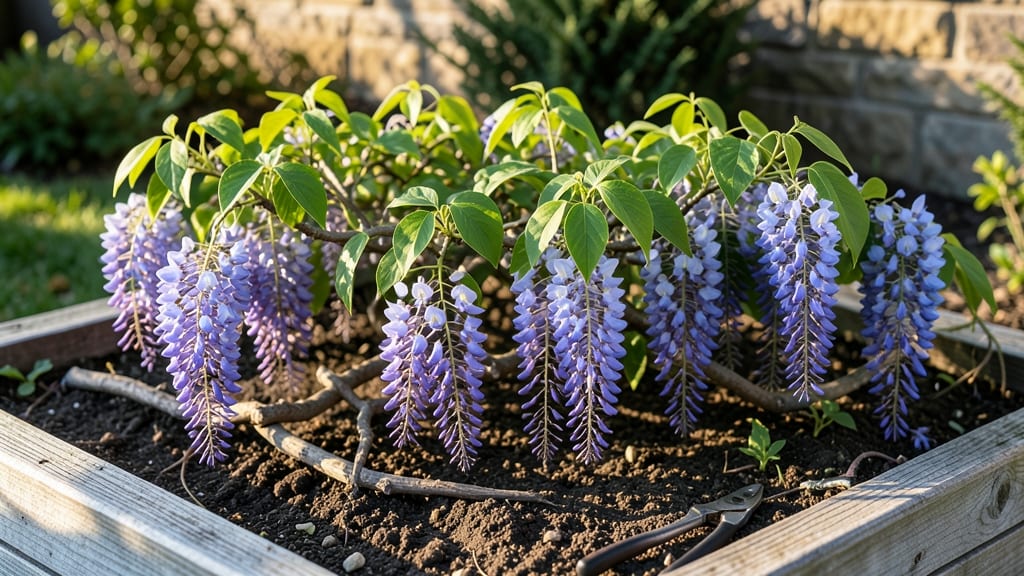
The Blue Moon Wisteria tree, Wisteria frutescens 'Amethyst Falls', is the Pacific Northwest’s dream vine—its lavender-blue cascades of flowers transform any space into a springtime masterpiece.
I planted mine against a rusted metal fence last year, and the way it drapes like a living tapestry by May still makes my neighbors pause in their mailboxes. The key to those showstopping blooms?
Pruning at the right time, and I'll show you exactly how to do it without turning your vine into a tangled mess.
This wisteria thrives in zones 5-9, where cool summers and mild winters keep it happy—perfect for PNW gardens. It’s semi-deciduous, so it sheds leaves in winter but bursts back with fresh foliage by spring. Start with well-draining soil and full sun (at least 6 hours daily), and you’re set.
The real magic happens in late winter or early spring when you prune to shape the vine and encourage those vibrant blue blooms—just don’t wait until after flowering, or you’ll sacrifice next year’s display.
By summer, your vine will reward you with fragrant, dangling clusters that hummingbirds adore. The secret to long-term success? Annual pruning to control aggressive growth and a light hand with fertilizers—too much nitrogen means fewer flowers.
I’ll walk you through the exact cuts to make, when to water deeply (but not soggy), and how to spot early signs of pests like spider mites before they take hold.
Whether you’re training it on an arbor, pergola, or fence, this guide covers everything from planting day to year-round care—so you can enjoy those dreamy blue blooms for decades. Let’s get started!
📚 In This Guide
- What you need
- Instructions
- Tips and common mistakes
- Wrapping up and next steps
What you need
- ● Pruning shears: Bypass pruners (sharp, clean, and disinfected with rubbing alcohol or a 10% bleach solution). Quantity: 1 pair.
- ● Loppers: For thicker branches (2–3 inches in diameter). Quantity: 1 pair.
- ○ Pruning saw: Heavy-duty for stubborn, thick stems (optional but helpful for mature trees). Quantity: 1.
- ● Gloves: Heavy-duty gardening gloves (wisteria thorns are no joke!). Quantity: 1 pair.
- ● Disposable pruning bags: To collect and dispose of clippings (reduces mess and disease spread). Quantity: 2–3 bags.
- ● Rubbing alcohol (70% isopropyl) or bleach solution: For sterilizing tools between cuts. Quantity: Small bottle or spray bottle.
- ○ Pruning sealant (optional): For sealing large cuts (e.g., Tanglefoot Tree Wound Pruning Seal). Quantity: Small tube.
- ● Ladder or step stool: If your tree is taller than 6 feet. Safety first!
- ● Dry, calm day: Avoid pruning after rain or in windy conditions (safety + healing).
- ● Late winter/early spring timing: Prune after the last hard frost but before new growth starts (ideal: February–March in the PNW).
- ● Sun protection: Hat, sunglasses, and sunscreen (you’ll be outside for a while!).
- ● ✨ Sharpen your tools! Dull blades tear wood, slowing healing and inviting disease.
- ● 🌡️ Work in layers: Start with dead/diseased wood, then shape the tree—never remove more than 1/3 of the canopy at once.
- ● 🎯 Label your cuts: Use a marker to note "old wood" (last year’s growth) vs. "new wood" (current year) if you’re unsure.
Step-by-step Pacific Northwest pruning for Blue Moon wisteria
Here’s how to coax those legendary lavender blooms from your Blue Moon wisteria—without sacrificing next year’s flowers.
Time the Prune to Avoid Frost Risk
Wait until late winter or early spring when temperatures stay above 32°F at night. In the Pacific Northwest, this is typically February or March, just as buds begin to swell but before they burst. Pruning too early risks frost damage to fresh cuts, while waiting too long removes next season’s blooms.
Look for tight, plump buds along last year’s wood—these are your future flowers. If you see any green growth starting, it’s time to act. I like to prune on a dry, sunny day when the wood is easier to handle and tools stay sharp longer.
Remove Dead and Weak Wood First
Start by cutting out any dead, broken, or crossing branches. Use clean, sharp pruners to make cuts at a 45-degree angle about ¼ inch above a bud or lateral branch. Dead wood is easy to spot—it’s brittle, dark, or lacks leaves. Weak wood often grows at odd angles or has thin, sparse foliage.
Don’t worry about size here—just focus on removing anything that won’t contribute to healthy growth. A good rule is: if a branch is thinner than a pencil, it’s likely weak and should go. This step opens up the center of the plant, letting light and air reach the core where new blooms form.
Shape the Canopy for Airflow and Light
Next, thin out overcrowded branches to improve airflow and sunlight penetration. Aim to keep the strongest, youngest stems—these will produce the most vibrant blooms. Step back often to visualize the plant’s shape; you want an open, vase-like form rather than a dense tangle.
For Blue Moon wisteria, I target 2-3 main stems as the framework, pruning back any competing branches to a bud or lateral branch. Avoid cutting back more than ⅓ of the plant’s total foliage in one season—this keeps stress low and encourages robust regrowth.
Prune for Next Year’s Blooms
Now focus on last year’s flowering wood, which is where Blue Moon wisteria sets its buds. Cut back old wood that’s produced flowers but is now thinner than a pen—these branches are past their prime. Make your cuts just above a healthy bud or side shoot to encourage new growth.
Leave some older wood (about ½ inch thick) if it’s still vigorous—this ensures a mix of new and established blooms. I like to leave 2-3 main branches unpruned to anchor the plant while encouraging younger stems to fill in gaps. This balance keeps the tree productive for years.
Clean Up and Fertilize for Recovery
After pruning, sterilize your tools with rubbing alcohol to prevent disease spread. Remove all clippings from the area—leaving them can attract pests or fungi. Now’s also the time to add a balanced, slow-release fertilizer (like 10-10-10) around the root zone to support new growth.
Water deeply to help the tree recover, but avoid overwatering—Blue Moon wisteria prefers well-draining soil and can rot if kept soggy. Mulch with 2-3 inches of organic matter (like wood chips) to retain moisture and regulate soil temperature. Within 4-6 weeks, you should see fresh green shoots emerging from the pruned areas.
Tips & tricks for perfect Blue Moon wisteria pruning
Pruning Blue Moon wisteria might seem intimidating, but these key strategies will help you achieve that perfect balance of bloom and growth.
Timing is Everything: The February-March window is critical because it captures that sweet spot where buds are plump but haven't burst yet. I've seen wisteria with frost damage from early pruning and missed blooms from late pruning—both are heartbreaking. Check your local frost dates and watch for those tight, plump buds as your signal. If you're in a warmer microclimate, you might extend to early April, but never risk frost on fresh cuts.
Tool Sharpness Matters: Dull pruners crush wood fibers instead of making clean cuts, which invites disease. I keep a small file in my tool kit and sharpen blades before each session. For thick branches, I use loppers—never pruning shears. Always make cuts at a 45-degree angle about ¼ inch above a bud to encourage proper healing. This small detail makes all the difference in how quickly the plant recovers.
Visualize the Vase Shape: Step back frequently during Step 3 to check your progress. The goal is that open, airy vase shape that lets sunlight penetrate to the center. I imagine an upside-down cone when I prune—wider at the top where the main branches spread out, tapering slightly toward the base. This shape maximizes both airflow and sunlight exposure, which are essential for vibrant blooms. If you're unsure, take a photo halfway through to compare with reference images.
Fertilizer Timing Tip: After pruning, apply that 10-10-10 fertilizer right away to give your wisteria a nutrient boost for recovery. I like to work it into the top 2-3 inches of soil around the drip line, not right at the trunk. Water deeply after fertilizing to help distribute nutrients. This timing helps prevent fertilizer burn while giving new growth the support it needs to establish quickly.
Pro Tips for Blue Moon Wisteria Tree
- Pruning Blue Moon wisteria might seem intimidating, but these key strategies will help you achieve that perfect balance of bloom and growth.
- Timing is Everything: The February-March window is critical because it captures that sweet spot where buds are plump but haven't burst yet.
- Tool Sharpness Matters: Dull pruners crush wood fibers instead of making clean cuts, which invites disease.
Frequently asked questions
Got questions about nurturing your Blue Moon Wisteria tree? You’re not alone! Here are answers to the most common queries from gardeners in the Pacific Northwest—plus a few pruning pro tips to keep your blooms extra vibrant.
When is the best time to prune my Blue Moon Wisteria in the PNW?
The golden window is late winter to early spring (February–March), before new growth starts. This aligns with the tree’s dormant phase and ensures you don’t cut off next year’s flowers. Pro tip: If you miss this, prune after blooming (June–July) but avoid heavy cuts—focus on shaping and deadwood removal only.
How much should I trim back my wisteria? Will it survive aggressive pruning?
Wisteria is hardy but not invincible—aim to remove 1/3 of the previous year’s growth annually. For mature trees, you can trim back to healthy buds (look for fat, swollen nodes). Never cut more than 50% of the canopy in one year, or you risk stressing the tree. Use sharp bypass pruners for clean cuts!
Why isn’t my Blue Moon Wisteria blooming as much as it should?
Common culprits: over-pruning (too late or too heavy), poor sunlight (wisteria needs 6+ hours of sun daily), or nutrient deficiencies. Check for yellowing leaves (nitrogen deficiency) or weak stems (phosphorus/potassium). Feed with a balanced fertilizer in early spring and ensure proper watering—deep but infrequent!
Can I grow Blue Moon Wisteria in a container? What size pot do I need?
Yes! But containers limit growth—opt for a 15–20 gallon pot with drainage holes and a fast-draining mix (60% soil, 30% compost, 10% perlite). Warning: Wisteria’s roots are aggressive; prune roots annually if pot-bound. Move indoors during winter if temps drop below 10°F.
What’s the difference between pruning for blooms vs. shaping?
| Goal | When to Prune | What to Cut |
|---|---|---|
| Blooms | Late winter/early spring | Deadwood, crossing branches, and last year’s growth (cut back to 2–3 buds from the base). |
| Shaping | After blooming (June–July) | Light trimming to encourage airflow and remove only unsightly growth. Avoid heavy cuts! |
For Blue Moon, prioritize bloom-pruning—it’s more forgiving and rewards you with dramatic purple cascades!
Wrapping up and next steps
The Blue Moon Wisteria Tree is a stunning addition to the Pacific Northwest landscape, and with the right pruning techniques, you can ensure it bursts into vibrant spring blooms year after year. Remember, patience and consistency are key—this beauty thrives with gentle guidance, not harsh cuts.
Now that you’re armed with the know-how, grab those pruners and get ready to nurture your wisteria’s full potential! 🌸✂️
Ready to take the next step? Mark your calendar for late winter or early spring—when those first buds start peeking—and roll up your sleeves. Your future blooms will thank you!