Trees
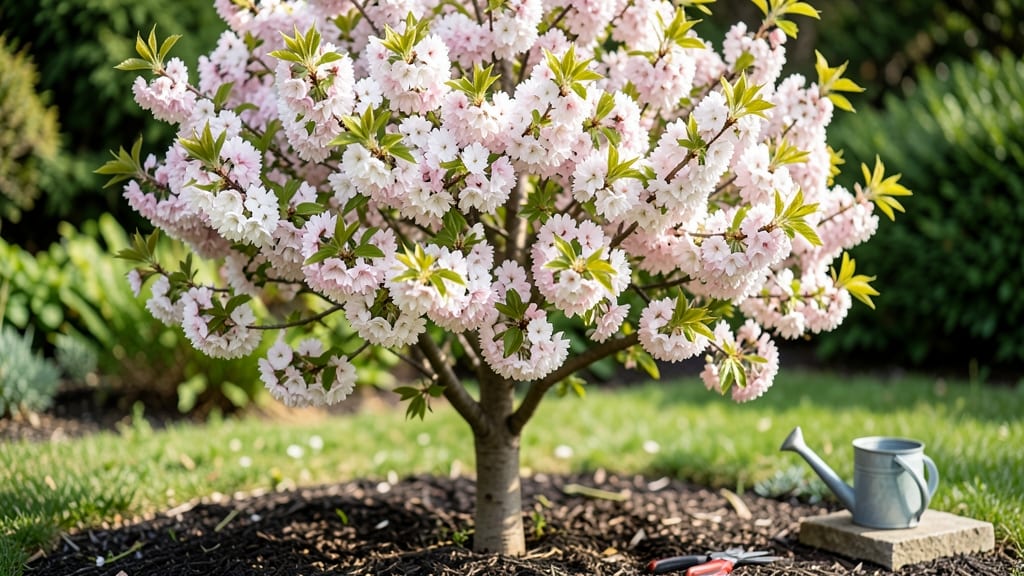
Nothing transforms a Pacific Northwest garden like the soft pink clouds of cherry blossoms in spring—a cherry blossom ornamental tree turns any yard into a living painting.
I still remember the first time I saw one in full bloom: the air smelled like sweet almonds, and sunlight filtered through petals like stained glass. That moment changed how I design my garden forever.
These trees aren’t just pretty faces—they’re the stars of seasonal shows. Plant them near patios or walkways to frame your home with color, or let them anchor a naturalistic border. Pair them with dwarf rhododendrons for early spring color or Japanese maples for layered texture.
The key? Position them where you’ll see them daily—morning coffee under blossoms is a ritual worth planning.
You’ll love how they steal the show from late March through April, then deliver summer shade and autumn foliage that turns fiery red. The secret to maximizing their drama?
Prune lightly in late winter to encourage strong blooms, and mulch well to protect roots. With the right spot, they’ll be the conversation piece your neighbors envy.
Bonus: These trees thrive in urban settings, from city courtyards to rural estates. Whether you’re going for cottage charm or modern minimalism, a cherry blossom tree adds effortless elegance. Let’s talk placement—this is where the magic happens.
📚 In This Guide
- What you need
- Instructions
- Tips and common mistakes
- Wrapping up and next steps
What you need
- ● Cherry Blossom Tree: 1 high-quality ornamental cherry tree (Prunus serrulata or Prunus × yedoensis for PNW climates)
- ● Size: 1–3 gallon container (young trees) or bare-root (for fall planting)
- ● Soil & Amendments: 50 lbs well-draining loamy soil (mix of topsoil, compost, and perlite)
- ● 10 lbs organic compost (for nutrient-rich planting)
- ● Slow-release fertilizer (10-10-10 or cherry-tree-specific blend, ~1 lb)
- ● Planting Tools: 1 shovel (for digging)
- ● 1 garden trowel (for precision)
- ● 1 pruning shears (sterilized, for shaping)
- ● 1 measuring tape (to mark planting depth)
- ● Mulch & Protection: 3–5 cubic feet wood chips or bark mulch (3–4 inches deep)
- ● 1 tree guard or wire cage (to deter animals)
- ● Soil Test Kit (to check pH—ideal range: 5.5–6.5)
- ● Drip Irrigation System (for consistent moisture, especially in PNW’s dry summers)
- ● Tree Stake & Ties (if planting in windy areas)
- ● Fungicide (preventative spray for powdery mildew, common in PNW)
- ● Decorative Stakes or Markers (to label your blossom tree!)
Step-by-step guide to planting and caring for cherry blossom trees in the Pacific Northwest
Here's how to ensure your tree thrives and blooms beautifully in our region's unique climate.
🌱 Step 1: Choose the Right Variety and Planting Location
Select a Pacific Northwest-adapted variety like Kanzan or Yoshino, which handle our cooler springs and wet winters better than others. These trees need full sun—at least 6 hours daily—but also appreciate partial shade during the hottest afternoons, especially in inland areas like Portland or Spokane.
Test your site's drainage first: dig a hole, fill it with water, and wait. If it drains within 30 minutes, your spot is good. Poor drainage leads to root rot, and cherry blossoms hate soggy feet. In heavy clay soil, raise the planting bed by 6-12 inches using amended soil from your materials list.
🌿 Step 2: Plant at the Correct Time and Depth
Plant your bare-root tree in late fall or early winter (November through January) when the ground isn't frozen. This gives roots time to establish before spring growth begins. If you're using a container-grown tree, plant anytime the ground isn't frozen, but avoid extreme heat.
Dig a hole twice as wide as the root ball but only as deep. Set the tree so the top of the root ball sits 2 inches above ground level—this prevents soil from settling and burying the trunk. Backfill with the amended soil you prepared, tamping gently to remove air pockets. Water deeply to settle everything.
☀️ Step 3: Water and Mulch for First-Year Success
Water your new tree deeply every 7-10 days during the first growing season, aiming for 1-2 gallons per watering. You'll know it's enough when water drains 6 inches deep—stick a screwdriver in the soil to check. Overwatering is just as harmful as underwatering, so let the top 3 inches of soil dry between waterings.
Spread 2-3 inches of mulch (like wood chips) over the root zone, keeping it 6 inches away from the trunk. This conserves moisture, regulates soil temperature, and suppresses weeds. Replenish mulch annually in early spring—never let it pile against the trunk, or it'll smother the bark.
✂️ Step 4: Prune for Health and Bloom Timing
Prune your cherry blossom tree immediately after flowering (late April to early May in the PNW) to avoid removing next year's blossom buds. Remove dead, diseased, or crossing branches first, then thin out 10-20% of the canopy to improve airflow. Make cuts just outside the branch collar where it meets the trunk.
Never prune in fall or winter—this stimulates new growth that won't harden off before our cold snaps. For young trees, limit pruning to shaping the structure. Mature trees benefit from light annual pruning to maintain their natural vase shape and encourage strong blooms.
Tips & tricks for perfect cherry blossom bloom timing
These practical insights will help you maximize your tree's potential in the Pacific Northwest's unique climate.
Variety Matters: The Kanzan and Yoshino varieties are perfect for our region because they bloom reliably in our cooler springs. If you're in a particularly cold microclimate, consider the 'Stella Compact'—it's more cold-hardy and blooms slightly later, which can be an advantage if late frosts are a concern in your area.
Drainage Test: That 30-minute drainage test is crucial—don't skip it! If your soil drains too slowly, mix in compost or sand to improve drainage. For heavy clay soil, raising the planting bed by 6-12 inches creates better conditions for root health, which directly impacts bloom quality and timing.
Planting Depth: Setting the top of the root ball 2 inches above ground level prevents soil settling from burying the trunk over time. This small detail ensures proper airflow around the base, reducing disease risk and helping the tree establish strong roots for better blooms next season.
Watering Strategy: The 7-10 day watering schedule works best when you aim for 1-2 gallons per watering. To check depth, stick a screwdriver in the soil—it should penetrate 6 inches easily. In our region's wet winters, you might reduce watering slightly, but during dry summers, supplement with deep waterings to prevent stress that could delay blooming.
Pro Tips for Cherry Blossom Ornamental Tree
- These practical insights will help you maximize your tree's potential in the Pacific Northwest's unique climate.
- Variety Matters: The Kanzan and Yoshino varieties are perfect for our region because they bloom reliably in our cooler springs.
- Drainage Test: That 30-minute drainage test is crucial—don't skip it!
Frequently asked questions
When is the best time to plant a cherry blossom tree in the Pacific Northwest?
The ideal planting window is late fall (October–November) or early spring (March–April). This gives roots time to establish before extreme summer heat or winter frosts. Avoid planting in summer—hot, dry conditions stress young trees. For container-grown trees, you can plant year-round, but spring or fall still offers the best success.
How do I predict cherry blossom bloom timing in my area?
Bloom timing varies by variety and microclimate, but the Pacific Northwest typically sees peaks in March–May. Check local USDA Hardiness Zone maps and follow regional bloom forecasts (like Seattle’s Cherry Blossom Forecast). Cold winters and warm springs can shift timing—expect earlier blooms in milder zones (Zone 7–8) and later in cooler areas (Zone 6).
Are cherry blossom trees high-maintenance? What’s the biggest challenge?
They’re moderate-maintenance, with pruning and pest control as the top tasks. The biggest challenge? Black knot disease—a fungal infection that creates dark, twisted growths on branches. Prune infected areas in dormant season (winter) and sterilize tools. Mulch well and avoid overhead watering to reduce fungal risks. Most varieties are otherwise hardy and low-fuss!
Can I grow cherry blossoms in containers? What size pot do I need?
Yes! Dwarf varieties like ‘Kwanzan’ or ‘Royal Celebration’ thrive in containers. Use a 15–20 gallon pot with drainage holes and well-draining soil. Repot every 2–3 years. Place in full sun and move containers indoors (or to a garage) if temps drop below 10°F. Fertilize monthly during spring/summer for best blooms.
Why aren’t my cherry blossoms blooming? Troubleshooting tips.
Common culprits:
- Young age: Trees need 3–5 years to mature and bloom.
- Over-fertilizing: Too much nitrogen = leafy growth, fewer flowers. Use a balanced 10-10-10 fertilizer.
- Poor sunlight: They need 6+ hours of direct sun daily.
- Stress: Drought, transplant shock, or pests (like borers) can delay blooms.
What’s a great low-maintenance alternative to traditional cherry blossoms?
Consider ‘Autumn Brilliance’ serviceberry or ‘Higan’ cherry—both offer stunning spring blooms, edible fruit, and fewer pests. For year-round color, try ‘Royal Purple’ smokebush or ornamental pear trees. All thrive in PNW climates with minimal fuss!
Wrapping up and next steps
Transforming your Pacific Northwest landscape with a cherry blossom ornamental tree is a beautiful way to embrace seasonal magic! 🌸 Whether you're drawn to the delicate blooms of Prunus serrulata or the hardy charm of Prunus avium, understanding bloom timing and care ensures your tree thrives for years.
With the right location, soil prep, and seasonal maintenance, you’re well on your way to creating a stunning focal point that greets spring with joy.
Ready to plant your vision? Start by selecting your tree—visit a local nursery or reputable online seller to pick the perfect variety for your space. Then, mark your calendar for early spring planting and enjoy the journey as your tree grows into a breathtaking centerpiece! 🌿