
Pruning
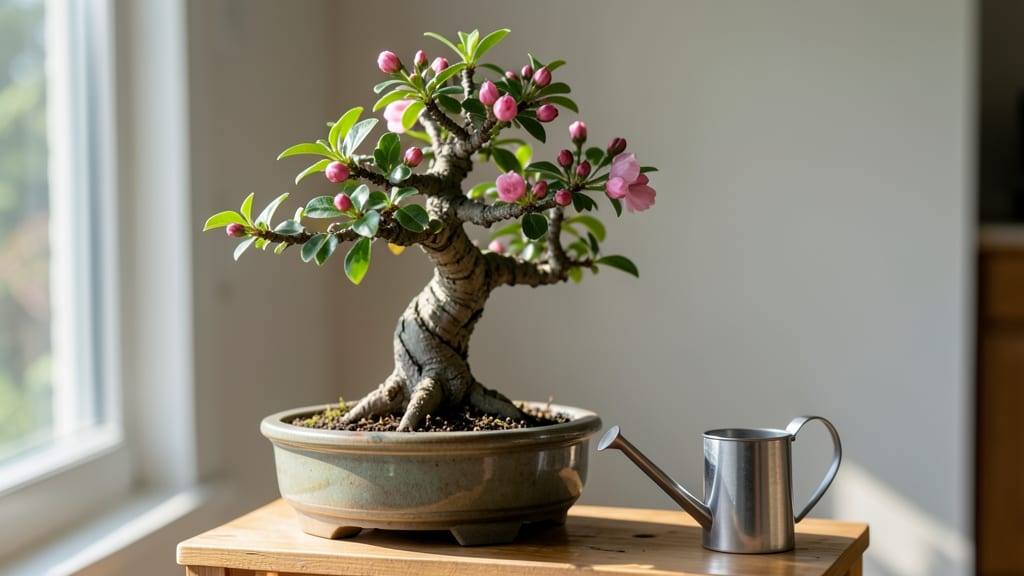
Caring for a cherry bonsai tree transforms a simple hobby into a lifelong conversation with nature. 🌿 The key isn’t just pruning or watering—it’s learning to listen to your tree’s subtle signals, from the curl of new leaves to the way roots grip the soil.
My first bonsai nearly died because I overwatered it, but that mistake taught me patience is the real art of bonsai.
You’ll need basic tools: sharp pruning shears, bonsai wire for shaping branches, and a well-draining soil mix designed for bonsai. The 4 simple steps focus on seasonal adjustments—spring for new growth, summer for shaping, fall for cleanup, and winter for rest.
Even beginners can master this with the right approach, though it takes years to see the full beauty unfold.
What you’ll achieve is a tree that stays small but strong, with delicate blossoms that feel like a reward for your attention. The rewards come in seasons: vibrant spring foliage, summer’s lush growth, and autumn’s fiery leaves.
This isn’t just a plant—it’s a living work of art that evolves with you.
Whether you’re starting with a sapling or rescuing a neglected bonsai, the principles stay the same. The first year is about survival; the second, refinement. By year three, you’ll understand the rhythm of your tree’s life—and that’s when the real magic begins.
📚 In This Guide
- What you need
- Instructions
- Tips and common mistakes
- Wrapping up and next steps
What you need
- ● Cherry Bonsai Tree: A healthy Prunus serrulata (Japanese cherry) or Prunus avium (sweet cherry) bonsai, aged 3–5 years (smaller pots = easier care).
- ● Bonsai Pot: 1 shallow, well-draining pot (3–6 inches wide) with drainage holes. Unglazed clay is ideal.
- ● Bonsai Soil: 1 bag (1–2 gallons) of akadama, pumice, and lava rock mix (70:20:10 ratio). Avoid regular garden soil!
- ● Pruning Tools: 1 pair concave bonsai shears (for branch cuts).
- ● 1 needle-nose pruners (for fine trimming).
- ● 1 jigging wire (copper or aluminum, 1–2mm thickness).
- ● Watering Can: 1 with a rose nozzle (for gentle watering).
- ● Fertilizer: 1 bottle of balanced bonsai fertilizer (e.g., 10-10-10 or organic fish emulsion).
- ● Root Pruning Hook: For shaping roots without repotting.
- ● Humidity Tray: To combat dry air (especially in winter).
- ● Bonsai Wire Cutters: For removing old wiring cleanly.
- ● Mulch: Pine bark or moss to retain moisture.
- ● Grow Lights: If indoors (LED full-spectrum, 12–14 hours/day).
Step-by-Step instructions for cherry bonsai tree care
Here's how I keep my cherry bonsai thriving—no green thumb required.
🌱 Step 1: Master Watering for Perfect Moisture Balance
Water your cherry bonsai when the top ½ inch of soil feels dry to the touch. I use the "lift-and-check" method: pick up the pot and feel its weight—lighter means it's time. Water thoroughly until it drains from the bottom, then empty the saucer immediately to prevent root rot.
In summer, I water daily in the morning; in winter, every 3-4 days. Overwatering is the #1 killer—yellow leaves mean you're drowning the roots. For extra peace of mind, I use a moisture meter in the first few weeks to train my hand.
☀️ Step 2: Position for Ideal Light Without Sunburn
Place your bonsai where it gets 4-6 hours of indirect sunlight daily. A south-facing window with sheer curtains works perfectly—direct midday sun will scorch the delicate leaves. I rotate my tree a quarter turn weekly so it grows evenly shaped.
Watch for these signs: leaves curling toward light mean it needs more; pale, stretched growth means too little. In winter, supplement with a 12-hour grow light if natural light drops below 4 hours. My tree's leaves stay vibrant because I adjust placement seasonally.
🌿 Step 3: Prune Strategically for Shape and Health
After new growth appears in spring, trim back ⅓ of the new shoots using clean, sharp bonsai scissors. I make cuts just above a leaf node at a 45-degree angle to encourage branching. For shaping, I remove any growth that spoils the natural silhouette—think of it as sculpting with leaves.
Don't prune in fall or winter when the tree is dormant. And never cut into old wood—you won't get new growth from those areas. I prune again lightly in summer to maintain the design, always stepping back to check the overall form against my original vision.
⏰ Step 4: Feed and Refresh for Long-Term Vitality
Use a balanced 10-10-10 fertilizer diluted to half strength every 2 weeks during spring and summer. I switch to a low-nitrogen formula in fall to encourage dormancy. Always water before fertilizing to prevent root burn.
Repot every 2-3 years in early spring using fresh akadama soil mix. Trim up to ⅓ of the roots during repotting to encourage new growth. My tree gets repotted in March—just as the buds begin to swell—so it has the whole season to recover.
Tips & tricks for perfect cherry bonsai tree care
Keeping your cherry bonsai thriving doesn't require advanced skills—just a few simple tricks to avoid common mistakes.
Soil Moisture Secret: The "lift-and-check" method in Step 1 works best when you're consistent. I've found that weighing the pot gives the most reliable results—my bonsai pot feels about 20% lighter when it needs watering. For extra accuracy, mark the pot's weight when it's fully moist, then compare when it feels dry. This visual cue helps prevent both underwatering and overwatering, which are the two biggest threats to your tree's health.
Light Rotation Strategy: When you rotate your bonsai a quarter turn weekly (Step 2), I recommend doing this on the same day each week—like every Sunday morning. This creates a predictable growth pattern and helps you spot any uneven development early. If you notice one side growing faster, it's likely getting more light—adjust by moving that side slightly away from the window.
Pruning Precision: For Step 3, I always sterilize my bonsai scissors with rubbing alcohol between cuts to prevent spreading disease. The 45-degree angle cut is crucial—it creates a natural water runoff path and encourages new growth from the leaf node. If you're nervous about making perfect cuts, practice on a few branches first. Remember, bonsai pruning is more about shaping than perfection.
Fertilizing Calendar: The 2-week spring/summer schedule in Step 4 works perfectly, but I've added a simple trick: set a phone reminder for every other Monday in growing season. This ensures you never miss a feeding. In fall, I switch to a low-nitrogen fertilizer exactly when I notice new growth slowing down—usually around late September. This seasonal adjustment prevents winter burn while encouraging dormancy.
Pro Tips for Cherry Bonsai Tree Care
- Keeping your cherry bonsai thriving doesn't require advanced skills—just a few simple tricks to avoid common mistakes.
- Soil Moisture Secret: The "lift-and-check" method in Step 1 works best when you're consistent.
- Light Rotation Strategy: When you rotate your bonsai a quarter turn weekly (Step 2), I recommend doing this on the same day each week—like every Sunday morning.
Frequently asked questions
Got questions about keeping your cherry bonsai thriving?
Here are answers to the most common concerns—so you can enjoy your tiny tree without the guesswork!
How often should I prune my cherry bonsai?
Prune your cherry bonsai twice a year: once in late winter (before new growth) and again in early summer (to shape and encourage branching). Avoid heavy pruning during flowering or fruiting seasons—focus on light trimming to maintain balance and health. Pro tip: Use sharp, sterilized tools to prevent disease!
Can cherry bonsai survive winter outdoors?
Most cherry bonsai (like Prunus serrulata) are hardy but need protection. If temps drop below 10°F (-12°C), move your tree indoors near a sunny window or use a frost cloth. Evergreen varieties (e.g., Prunus lusitanica) tolerate colder climates better. Watch for: Browning leaves—this often signals cold stress!
Why are my cherry bonsai leaves turning yellow?
Yellowing leaves usually mean overwatering, nutrient deficiency, or root rot. Check your soil—it should stay slightly moist but not soggy. Adjust your watering schedule and fertilize with a balanced bonsai mix (e.g., 10-10-10) every 4–6 weeks in growing season. Quick fix: Let the top inch dry out before watering again.
What’s the best soil mix for a cherry bonsai?
A well-draining mix is key! Combine 50% akadama, 30% pumice, and 20% organic matter (like compost or peat). Avoid heavy garden soil—it compacts and suffocates roots. Repot every 2–3 years in early spring to refresh the mix. Bonus: Add a handful of perlite for extra aeration!
Will my cherry bonsai flower every year?
Young cherry bonsai (under 5 years) may skip flowering while focusing on growth. Mature trees (5+ years) typically bloom in spring, but consistency depends on sunlight (6+ hours daily), proper pruning, and winter chilling. Encourage blooms: Avoid heavy summer pruning and ensure winter dormancy (cooler temps help!).
Wrapping up and next steps
Caring for a cherry bonsai tree is a rewarding journey that blends patience, creativity, and a touch of green-thumb magic! 🌸 By mastering pruning, watering, soil health, and seasonal adjustments, you’ll nurture a living work of art that thrives for years.
Remember, every trim and drop of water is a step toward miniature mastery—embrace the process, and don’t hesitate to experiment!
Ready to take the next step? Start small: pick one technique—like pruning for shape or repotting your bonsai—and watch your cherry bonsai flourish. Happy growing! 🌱