
Pruning
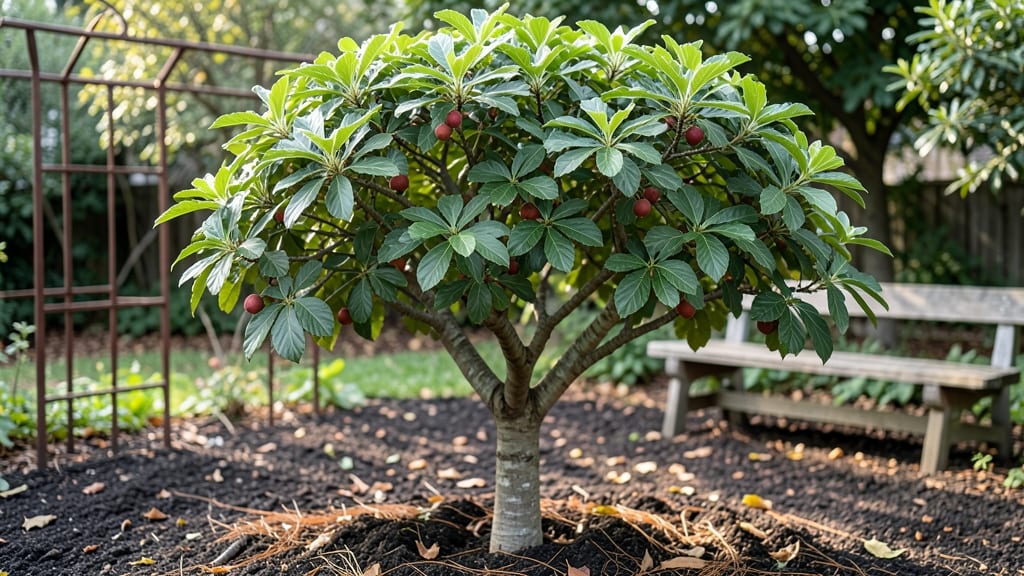
The Chinese pistache tree’s leaf pruning keeps its signature lacy, blue-green foliage vibrant year-round—no matter how harsh your winters get. I learned the hard way that skipping seasonal trims leads to dense, leggy branches that block sunlight and invite pests.
The key is timing: prune in late winter to encourage fresh growth, then lighten up in summer to maintain that airy, elegant look.
You’ll need just three tools: sharp pruning shears, a ladder (for higher branches), and a pair of gloves. The process takes about 30 minutes per tree, depending on size, and focuses on removing dead wood, crossing branches, and thinning the canopy to let light reach the lower leaves.
That distinctive pistachio-shaped leaf thrives when it gets good airflow—no soggy, disease-prone messes here.
After pruning, you’ll notice new growth within weeks—brighter green leaves that shimmer in sunlight and fewer bare spots where pests could hide. The tree’s natural drought resistance kicks in even harder, making it a low-maintenance standout in any landscape.
Plus, those fall colors? A stunning mix of gold, orange, and purple that puts most trees to shame.
Works for both urban streetscapes and rural yards—just adjust your approach based on whether you want a formal shape or a more natural look. The Chinese pistache adapts beautifully, so you’re not locked into one style. Let’s get those branches looking sharp!
📚 In This Guide
- What you need
- Instructions
- Tips and common mistakes
- Wrapping up and next steps
What you need
- ● Pruning shears: Bypass pruners (for small branches, 2–4" diameter) – 1 pair (look for ergonomic handles and sharp stainless steel blades).
- ● Loppers: Bypass or anvil type (for medium branches, 4–12" diameter) – 1 pair (pivoting loppers reduce hand strain).
- ● Pruning saw: Curved-tooth or folding saw (for thick branches, 12"+ diameter) – 1 saw (avoid straight-tooth saws; they tear wood).
- ● Rubbing alcohol (70%+) or bleach solution: 1 small bottle (for sterilizing tools between cuts to prevent disease).
- ● Garden gloves: Cut-resistant, breathable – 1 pair (nitrile-coated gloves protect from thorns and sap).
- ● Heavy-duty trash bags or bucket: 1–2 (for collecting pruned leaves/branches).
- ● Ladder or extension pole: Sturdy, non-slip – 1 (ensure it’s tall enough for your tree’s height; aluminum ladders are lightweight options).
- ○ Tarp or drop cloth: Optional but helpful – 1 (place underneath to catch debris and protect lawn/pavement).
- ● Hand pruners with ratcheting mechanism: Eases pressure on tough cuts.
- ● Pole pruner: Extends reach for high branches (avoids ladder use).
- ● Tree wound dressing: Not always recommended (Chinese Pistache heals well on its own, but pruning sealant can be used for large cuts >2" diameter).
- ● Notebook & pen: Sketch a quick map of your tree’s structure before pruning.
- ● Safety glasses: Protects eyes from debris (especially when using a saw).
Step-by-step guide for pruning Chinese pistache tree leaves
Transform your Chinese pistache into a healthier, more vibrant tree with these simple pruning techniques.
Assess and Plan Your Pruning Schedule
Start by examining your tree’s canopy for signs of overgrowth, dead branches, or areas where sunlight struggles to reach. The Chinese pistache benefits from light pruning year-round, but the most critical time is late winter or early spring before new growth begins. This timing ensures you shape the tree while it’s dormant, reducing stress and promoting vigorous regrowth.
Use clean, sharp pruning shears to make precise cuts just above a leaf node or bud. Avoid cutting into old wood—focus on younger branches that respond better to pruning. If you notice yellowing leaves, weak branches, or dense clusters, these are clear indicators that pruning is needed. I like to sketch a rough outline of the tree’s shape before cutting to visualize the end result.
Remove Dead, Diseased, or Weak Branches
Begin by identifying and removing any dead, diseased, or crossing branches. Dead branches are easy to spot—they’re brittle, lack leaves, and often snap when bent. Diseased branches may have dark spots, fungal growth, or an unusual odor. Cut these back to the nearest healthy bud or branch collar to prevent the spread of disease.
Next, address any branches that are rubbing against each other or growing inward. These "water sprouts" or crowded branches compete for sunlight and nutrients, weakening the tree. Use your pruners to make a clean cut at a 45-degree angle just above a outward-facing bud. This encourages new growth to fill the canopy more evenly. If a branch is thicker than ½ inch, use loppers or a pruning saw for a smoother cut.
Thin and Shape the Canopy for Airflow
Thinning the canopy improves airflow, which reduces humidity-related diseases and pests. Focus on removing 10-20% of the smallest branches scattered throughout the tree. Start from the outer edges and work inward, ensuring you don’t over-prune in one area. The goal is to create an open, airy structure that allows sunlight to penetrate to the lower branches.
For shaping, step back and look at the tree from all angles. Use your pruners to trim back any branches that disrupt the natural form or grow in an awkward direction. Avoid heavy pruning—small adjustments over time yield the best results. After pruning, rake up and dispose of any fallen debris to keep the area clean. Your tree will reward you with lush, healthy foliage and stronger growth in the coming seasons.
Tips & tricks for pruning Chinese pistache tree leaves
Pruning your Chinese pistache doesn't have to be intimidating—these practical tips will help you achieve a balanced, healthy tree with minimal stress.
Timing is Everything: While late winter or early spring is ideal for major pruning, I’ve learned that summer pruning after new growth appears can help control size and shape. Just avoid heavy pruning in late summer or fall, as this can stimulate tender new growth that won’t harden off before winter. The Chinese pistache is resilient, but timing matters for optimal regrowth.
Tool Precision Matters: Sharp tools are non-negotiable. Dull pruners tear branches, creating larger wounds that take longer to heal and invite disease. I keep a small file in my toolkit to sharpen shears between uses. For branches thicker than ½ inch, switch to loppers or a pruning saw—they provide the clean cuts necessary for proper healing. A clean cut also looks more professional and promotes faster recovery.
Visualizing the End Result: Before making a single cut, I step back and imagine the tree’s final shape. Use a garden hose or string to outline the desired canopy shape if needed. This helps prevent over-pruning in one area while ensuring balanced growth. Remember, Chinese pistaches respond well to gradual shaping—small adjustments each year yield the best results without shocking the tree.
Cleanup Prevents Problems: After pruning, rake up all fallen leaves and debris immediately. This simple step prevents fungal spores from taking hold in damp leaf litter, which can spread to your tree. I also disinfect my tools with rubbing alcohol between cuts on different branches to prevent cross-contamination of any potential diseases. A clean workspace leads to a healthier tree.
Pro Tips for Chinese Pistache Tree Leaf
- Pruning your Chinese pistache doesn't have to be intimidating—these practical tips will help you achieve a balanced, healthy tree with minimal stress.
- Timing is Everything: While late winter or early spring is ideal for major pruning, I’ve learned that summer pruning after new growth appears can help control size and shape.
- Tool Precision Matters: Sharp tools are non-negotiable.
Frequently asked questions
Got questions about caring for your Chinese pistache tree leaves? You’re not alone! Here are some of the most common inquiries—plus quick, actionable answers to keep your tree thriving year-round.
When is the best time to prune Chinese pistache leaves for optimal health?
The ideal time to prune is late winter or early spring (before new growth starts) or summer after flowering. Avoid heavy pruning in fall—it can stimulate tender growth vulnerable to cold. Light trimming to remove dead or crossing branches can happen anytime, but never prune in extreme heat or drought.
How do I tell if my Chinese pistache leaves are overpruned?
Watch for thinning canopies, sparse foliage, or excessive water sprouts (fast-growing, weak shoots). Overpruned trees may also show stunted growth or leaf scorch (brown edges). If you see these signs, reduce pruning frequency and focus on structural shaping rather than aggressive cuts.
Can I use Chinese pistache leaves for anything besides pruning?
While not edible, the leaves are drought-tolerant and pest-resistant, making them great for mulch or compost. Some gardeners use them as a natural ground cover under the tree. Just avoid overloading compost piles—they decompose slowly. Pro tip: Dry leaves make excellent winter mulch for perennials!
Why are my Chinese pistache leaves turning yellow or spotted?
Yellowing or spotted leaves often signal fungal issues (like pistachio leaf spot) or nutrient deficiencies (e.g., iron or zinc). Troubleshoot:
- Check for powdery mildew on undersides of leaves—prune infected branches and apply neem oil.
- Test soil pH (ideal: 6.0–7.5) and amend with chelated iron if needed.
- Ensure proper drainage—waterlogged roots stress the tree.
What’s a good alternative if my Chinese pistache tree struggles with leaf health?
If your tree’s leaves consistently underperform, consider drought-resistant alternatives like:
- Texas Pistache (similar care, more cold-hardy)
- Chinese Elm (tolerates urban pollution)
- Desert Willow (low-maintenance, vibrant foliage)
All three thrive in USDA Zones 6–9 and require minimal pruning. Transplant in early spring for best success!
Wrapping up and next steps
Pruning your Chinese pistache tree isn’t just about aesthetics—it’s a year-round commitment to its health, resilience, and beauty! 🌿 From shaping its canopy to preventing pests and diseases, every trim brings your tree one step closer to thriving.
With the right tools, timing, and techniques, you’ll enjoy lush, vibrant foliage and a stronger tree for seasons to come.
Ready to take action? Start by scheduling your next pruning session—whether it’s a light trim in spring or a deeper clean-up in winter. Your Chinese pistache will thank you! 🌟