
Pruning
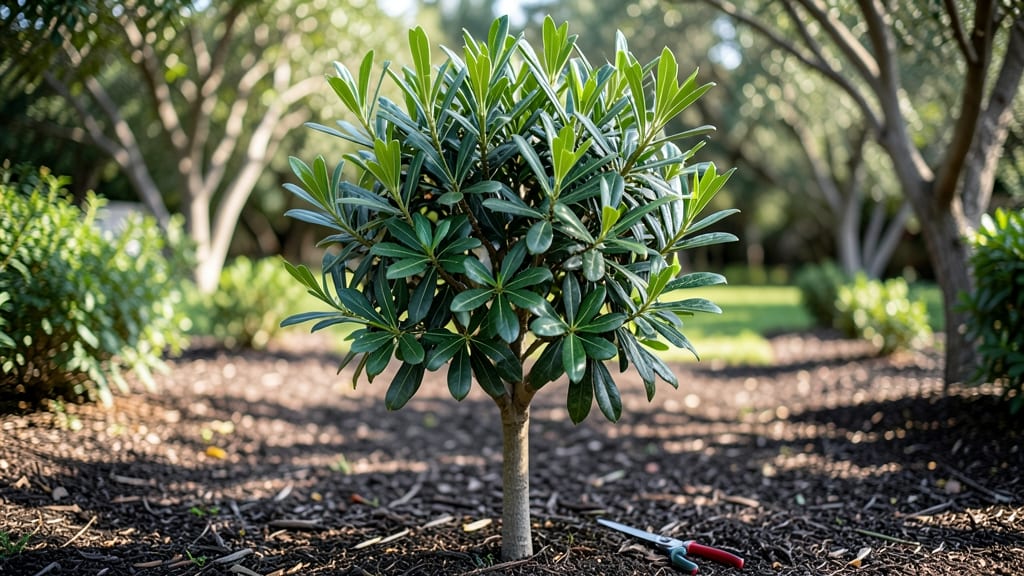
Growing a cold-hardy avocado tree in the Pacific Northwest isn’t just possible—it’s a game-changer for fruit lovers who refuse to give up on their green thumb. 🌱 I’ve watched my Hass avocado thrive through winters that would kill most tropical plants, and the secret lies in variety selection, strategic planting, and a few clever frost-proofing tricks.
The right variety makes all the difference—look for Mexican avocado cultivars like 'Mexicola' or 'Hass' (yes, that same creamy fruit you love). These can handle dips down to 20°F with the right care.
You’ll need well-draining soil mixed with compost, a sunny spot with afternoon shade in summer, and a 10-gallon container for young trees to protect roots from cold snaps.
By late spring, you’ll see glossy new leaves unfurling and—with patience—your first creamy-green fruit forming. The payoff? Homegrown avocados that ripen just when you want them, not when the grocery store decides.
The key is winter prep: wrap young trees in burlap, move containers to sheltered spots, and mulch heavily to insulate roots.
Even in Zone 8, this method works—just adjust timing for your microclimate. Whether you’re starting from seed or buying a grafted tree, the principles stay the same. Ready to grow your own avocado oasis? Let’s get those roots in the ground.
📚 In This Guide
- What you need
- Instructions
- Tips and common mistakes
- Wrapping up and next steps
What you need
- ● Cold-hardy avocado sapling: Choose a grafted variety like Mexicola or Wurtz (hardy to ~20°F/-7°C). Buy from a reputable nursery.
- ● Large container (15–20 gallons): Use a fabric grow bag or plastic pot with drainage holes (minimum 18" diameter).
- ● Well-draining potting mix: 60% cactus/succulent mix, 30% perlite, 10% compost (avoid heavy garden soil!).
- ● Mulch: 2–3 inches of straw or wood chips to insulate roots.
- ● Frost cloth (30–50g weight): 6’x8’ sheet to cover the tree during freezes.
- ○ Grow lights (optional but helpful): LED full-spectrum bulbs (12–16 hrs/day in winter).
- ● Pruning shears: Bypass pruners (sharp, sterilized) for shaping.
- ● Grafting tools (if propagating): Grafting knife + parafilm.
- ● pH test kit: Ensure soil pH stays 6.0–7.0 (avocados prefer slightly acidic).
- ● Thermometer: Soil and air monitor for frost alerts.
- ○ Watering can with rose attachment: Drip irrigation (optional but ideal).
- ● 🌡️ Heat mat: Place under containers in winter to keep roots above 55°F/13°C.
- ● ✨ Greenhouse or sunroom: Move potted trees indoors during hard freezes (<25°F/-4°C).
- ● 🔥 Citric acid: Add 1 tsp/gallon to water monthly to prevent chlorosis (common in PNW soil).
How to grow a cold-resistant avocado tree in the Pacific Northwest
Here's my battle-tested approach to growing avocados where frost is a real threat.
🌱 Step 1: Choose the Right Cold-Hardy Variety
Not all avocados tolerate cold—look for Mexican varieties like Hass, Reed, or Fuerte, which can handle brief dips to 20°F with proper protection. The key is selecting a grafted tree from a nursery that specializes in cold-resistant stock, not just any seedling. I always verify the rootstock is Persea americana—this hybrid vigor makes the difference between a thriving tree and a frost casualty.
If you're starting from seed (not recommended for cold climates), expect the resulting tree to be far less cold-tolerant. Seed-grown avocados typically need 28°F+ to survive winter. For PNW growers, buying a named variety from a reputable supplier is the only reliable path to success. Check the graft union—it should be clearly marked on the trunk.
☀️ Step 2: Plant in a Sheltered Microclimate
Avocados need 6+ hours of direct sun daily, but they also hate wind and cold air settling in low spots. I plant mine against a south-facing wall or under the eaves of a building where winter sun can warm the trunk. The wall acts as a heat sink, radiating warmth back to the tree at night.
Dig a hole twice as wide as the root ball but only as deep. Amend the native soil with 3 gallons of compost mixed into the bottom half of the hole—this improves drainage while retaining moisture. Never plant deeper than the root flare; buried trunks rot in our wet winters. Mulch heavily with 4 inches of wood chips to insulate roots from temperature swings.
🪴 Step 3: Implement Multi-Layered Frost Protection
When temperatures drop below 32°F, cover the tree with a frost blanket secured with stakes. I use two layers: an inner layer of bubble wrap for insulation and an outer layer of frost cloth to block wind. Remove the cover during the day to prevent overheating—avocados can scorch just as easily as freeze.
For extended cold snaps (20°F or below), wrap the trunk with burlap or tree wrap to prevent sunscald. I also install a small space heater (safely placed) near the base on the coldest nights. The goal is to keep the root zone above 28°F—below that, roots suffer irreversible damage.
✂️ Step 4: Prune Strategically for Winter Resilience
Prune in late winter before new growth starts, removing only dead, crossing, or diseased branches. Never cut back more than 25% of the canopy—avocados grow slowly and need all their energy for cold survival. I focus on opening the center to improve airflow, which reduces frost pockets where cold air collects.
After pruning, apply a dormant oil spray to protect against overwintering pests. The oil smothers eggs and soft-bodied insects before they become a problem. Avoid fertilizing in fall—new growth is more vulnerable to frost damage. Wait until spring when soil temperatures exceed 55°F before resuming feeding.
💧 Step 5: Adjust Watering for Winter Dormancy
Reduce watering by 50% in fall as days shorten, then taper to monthly deep soakings once temperatures drop below 40°F. Overwatering in winter leads to root rot, and soggy soil conducts cold better than dry soil. I check moisture by digging 2 inches down with a trowel—soil should feel slightly damp but not wet.
In early spring, resume regular watering when new growth appears. Avocados in the PNW often need 10-15 gallons per week during summer to support fruit production. Install a drip irrigation system to keep water at the root zone—surface watering wastes resources and encourages fungal diseases.
Tips & tricks for growing cold-hardy avocado trees
Real talk: Growing avocados in the Pacific Northwest isn't for the faint of heart—but these battle-tested tips will give you the edge you need to beat frost and thrive.
Variety Selection Matters: When choosing your Mexican varieties like Hass or Reed, verify the graft union is clearly marked. I've seen many nurseries sell seed-grown trees labeled as "cold-hardy"—don't fall for this trap. The graft union is your guarantee of hybrid vigor, and it should be visible on the trunk within the first 12 inches. This is the single most important factor in surviving PNW winters.
Microclimate Mastery: That south-facing wall isn't just for looks—it's your tree's best defense against cold air settling. I've had trees planted against brick walls survive down to 18°F with only minimal protection, while identical trees in open areas suffered damage at 28°F. The wall acts as a thermal mass, radiating warmth back to the tree at night. If you don't have a wall, consider planting near a dense hedge or under the eaves of your house.
Layered Frost Protection: The two-layer system I use (bubble wrap inside, frost cloth outside) creates an insulating air pocket that can raise temperatures by 5-8°F. The key is securing it tightly with stakes—if it flaps in the wind, you're defeating the purpose. I've seen trees survive 15°F with this setup when properly installed. For extended cold snaps, that space heater near the base (safely placed, at least 3 feet away) can make the difference between life and death for your root zone.
Pruning Precision: Never exceed that 25% canopy reduction—avocados grow slowly and need all their energy reserves for cold survival. I focus on removing only dead, crossing, or diseased branches in late winter. The goal is to open the center just enough to improve airflow while maintaining maximum leaf surface area for photosynthesis. After pruning, that dormant oil spray isn't just about pests—it also creates a protective barrier against winter winds.
Pro Tips for Cold Hardy Avocado Tree
- Real talk: Growing avocados in the Pacific Northwest isn't for the faint of heart—but these battle-tested tips will give you the edge you need to beat frost and thrive.
- Variety Selection Matters: When choosing your Mexican varieties like Hass or Reed, verify the graft union is clearly marked.
- Microclimate Mastery: That south-facing wall isn't just for looks—it's your tree's best defense against cold air settling.
Frequently asked questions
Got questions about growing a cold-hardy avocado tree in chilly climates? You’re not alone! Here are some of the most common concerns—and their answers—to help you thrive in the Pacific Northwest and beyond.
Can cold-hardy avocado trees survive freezing temperatures?
Yes! While traditional avocados struggle below 28°F (-2°C), cold-hardy varieties like Mexican (Mexicola) or Guatemalan (Guatemala) types can tolerate brief dips to 15–20°F (-9 to -6°C). Protect young trees with mulch, frost cloth, or indoor overwintering until established. Hardiness improves with age!
How long does it take for a cold-hardy avocado tree to bear fruit?
Patience is key! Most cold-hardy avocados take 3–5 years to bear fruit, though some early-blooming varieties may produce sooner. Female trees need a male pollinator nearby—check your variety’s needs. Pro tip: Prune aggressively in early years to encourage strong growth and faster fruiting.
Should I grow a cold-hardy avocado indoors or outdoors?
Outdoors is ideal for mature trees in USDA Zones 8–10, but young plants or harsh winters? Container growing works! Move potted trees indoors (near a sunny window or grow light) during frost, then reintroduce them outdoors in spring. Use well-draining soil and a large pot (15+ gallons) to prevent root stress.
What’s the best way to protect my avocado tree from frost?
Layered protection wins! Start with a 4–6 inch mulch ring around the base, then wrap the trunk in bubble wrap or frost cloth. For extreme cold, cover the entire tree with a lightweight blanket or row cover, securing it loosely. Water deeply before frost—hydrated roots resist cold better!
Are there alternatives if cold-hardy avocados don’t grow well in my area?
Try these low-chill fruit trees for cold climates:
- Loquat (tolerates 15°F/-9°C)
- Fig (some varieties handle 20°F/-6°C)
- Pomegranate (down to 10°F/-12°C)
- Persimmon (cold-hardy and prolific)
Wrapping up and next steps
Growing a cold-hardy avocado tree in the Pacific Northwest is absolutely doable with the right techniques—especially when it comes to frost-proofing and pruning! 🌱 By selecting the right variety, protecting your tree from chilly temperatures, and mastering seasonal pruning, you’ll be rewarded with lush foliage and delicious fruit.
The key is patience and consistency, so don’t hesitate to experiment and adapt as you learn what works best for your microclimate.
Ready to take the next step? Start by reviewing your pruning schedule or planning your next planting season. With a little effort, your cold-hardy avocado could become the star of your garden! 🌟