
Pruning
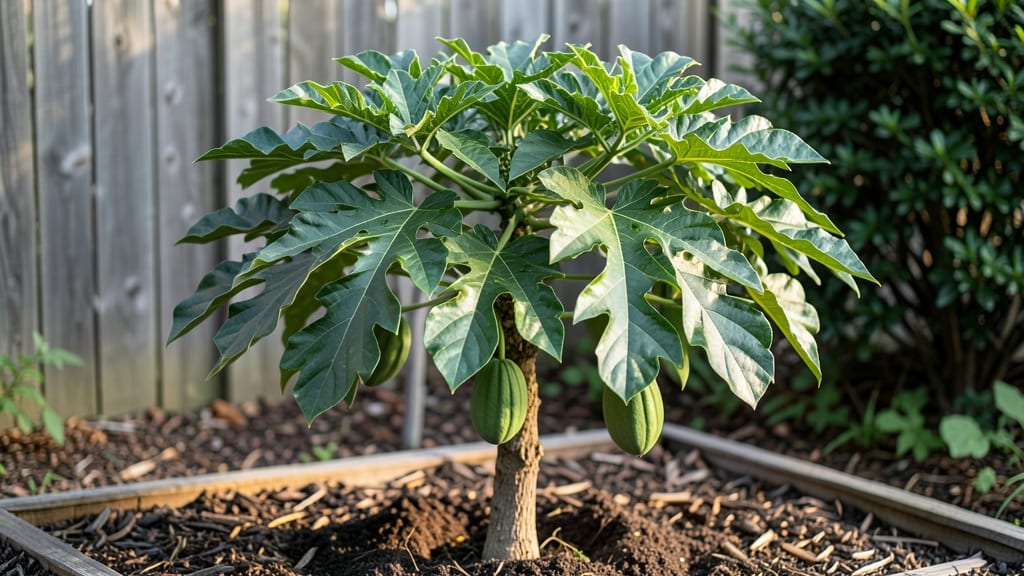
Growing cold-hardy papaya trees in the Pacific Northwest isn't just possible—it's a rewarding challenge that delivers tropical flavors in a temperate climate. 🌱 I've spent three winters perfecting the technique after my first attempt nearly froze out the plant, and now I'm sharing the exact pruning blueprint that keeps mine thriving through frost.
The key isn't just the right variety—it's knowing when to cut back, how to protect new growth, and which parts of the plant can actually survive temperatures dipping into the 20s.
You'll need cold-resistant varieties like 'SunUp' or 'Miracle,' which handle brief freezes better than traditional papayas, plus a few simple tools: sharp pruning shears, frost cloth, and maybe a small greenhouse or cold frame for young plants.
The soil mix should be well-draining but moisture-retentive—think 60% potting mix, 30% perlite, and 10% compost—to prevent root rot while keeping the plant hydrated during dry spells.
Most gardeners overlook the importance of mulch here, but a thick layer of straw or wood chips around the base keeps roots insulated through temperature swings.
By late winter, you'll see new growth emerging from the pruned branches, and with proper protection, those shoots will mature into fruit-bearing plants by summer.
The first harvest might be smaller than tropical varieties, but the sweetness is worth the effort—imagine fresh papaya slices in July when your neighbors are still dreaming of summer.
The real magic happens when you combine pruning with seasonal adjustments: bringing potted plants indoors before the first frost and resuming outdoor growth when temperatures stabilize.
This method works for gardeners in zones 8 through 10, though you'll need to adjust timing based on your last frost date. The biggest mistake I see is pruning too late in the season—always finish major cuts by early November so new growth has time to harden off before winter.
With these adjustments, you'll be harvesting papayas that rival anything you'd find in a grocery store, all while pushing the limits of what's possible in cooler climates.
📚 In This Guide
- What you need
- Instructions
- Tips and common mistakes
- Wrapping up and next steps
What you need
- ● Cold-hardy papaya seedlings or cuttings: Choose varieties like Carica papaya ‘Red Maradol’ or hybrid cold-resistant strains (2-4 plants for optimal yield).
- ● Well-draining potting mix: 50% coconut coir, 30% perlite, and 20% compost (sterilized to prevent disease). Pro tip: 💡 Mix in 10% worm castings for nutrient boost!
- ● Large containers (15-20 gallons): Black plastic or fabric pots with drainage holes (2-4 pots, depending on plant count). Why? 🌡️ Containers warm faster in cold snaps!
- ● Slow-release fertilizer: 10-10-10 or organic options like fish emulsion (apply at planting and mid-season).
- ● Mulch (straw or pine needles): 2-3 inches thick to insulate roots in winter.
- ● Pruning shears: Bypass pruners (sharp, sterilized) for clean cuts.
- ● Grafting tape or rubber tree ties: For supporting young stems (if needed).
- ● Thermometer (soil and air): Monitor temps—papayas prefer 75–90°F but can tolerate brief dips to 40°F.
- ○ Row covers or frost blankets: Lightweight options for unexpected frosts (optional but lifesaving!).
- ● Gloves and safety goggles: For handling thorns and protective pruning.
- ● Sunlight: Full sun (6+ hours/day)—south-facing windows or greenhouse space in PNW.
- ● Watering system: Drip irrigation or self-watering pots to maintain consistent moisture (papayas hate soggy roots!).
- ● Warmth backup: Grow lights or a heated mat (50–60°F) for seedlings in chilly starts.
- ● Patience: Cold-hardy papayas take 12–18 months to fruit—plan ahead!
Step-by-step guide for pruning your cold hardy papaya tree
Here’s how I keep my Pacific Northwest papaya thriving through winter—step by step.
🌿 Step 1: Time Your Pruning for Dormancy
Prune your papaya late winter to early spring, just as new growth begins but before buds break. In the PNW, aim for February to March when temperatures hover around 45-55°F. This timing lets the tree recover before summer heat arrives.
Look for dormant branches—they’re brittle and snap easily when bent. Avoid pruning after mid-April, or you risk encouraging tender new growth that won’t survive late frosts. I always prune on a dry, sunny day to reduce stress on the tree.
✂️ Step 2: Remove Dead or Damaged Wood First
Start by cutting out any blackened, mushy, or hollow branches—these won’t recover and can harbor pests. Use clean, sharp pruners to make 45-degree cuts just above a healthy bud or lateral branch. If a branch is larger than ½ inch thick, use a pruning saw.
I check for cankers (sunken, discolored areas) and remove those too. Healthy papaya wood is firm and greenish-brown inside. If you see dark, wet rot, sterilize your tools with rubbing alcohol between cuts to prevent spreading disease.
🌱 Step 3: Thin Out Crowded Growth for Airflow
Papayas grow bushy, so thin branches to open the canopy. Focus on crossing branches (rubbing against each other) and overlapping growth. Remove one of every two branches growing from the same node to improve airflow and sunlight penetration.
Leave 3-5 main branches per trunk section to maintain structure. You’ll see healthier fruit production in summer because the tree isn’t competing with itself for resources. If a branch is growing straight up, prune it back to encourage outward growth.
☀️ Step 4: Shape for Winter Hardiness
Round out the tree’s shape by shortening long, leggy branches by ⅓ of their length. This encourages thicker, sturdier growth that’s better equipped to handle light frosts. Avoid heavy pruning—never remove more than 25% of the tree’s foliage in one session.
Pay special attention to low-hanging branches—these are more vulnerable to frost. Trim them back to 12-18 inches above the ground to keep them off cold soil. After pruning, water deeply to help the tree recover.
⏰ Step 5: Clean Up and Protect for Frost
Rake up and dispose of pruned branches (don’t compost them—they can harbor diseases). Sterilize your tools with bleach or rubbing alcohol to prevent contamination. Apply a 2-inch layer of mulch around the base (but not touching the trunk) to insulate roots.
For extra protection, wrap the trunk with burlap or frost cloth in late fall. In the PNW, light frosts (28-32°F) can damage leaves, but the tree’s roots stay safe with proper mulching. Pruned trees handle brief dips to 25°F better than unpruned ones.
Tips & tricks for pruning cold hardy papaya trees
Here’s what I’ve learned after years of keeping my Pacific Northwest papaya trees thriving through winter—these small details make all the difference.
Timing is Everything: The February to March window is critical because it catches the tree in its dormant state when it’s least stressed. I’ve found that pruning too early (January) can expose tender buds to late frosts, while waiting too long (after mid-April) encourages vulnerable new growth. Check for those telltale brittle branches that snap easily—they’re your sign it’s time.
Tool Prep Prevents Problems: Sterilizing your pruners with rubbing alcohol between cuts isn’t just about disease prevention—it’s about giving your tree the cleanest possible start. I keep a small spray bottle of 70% isopropyl alcohol handy and wipe down blades after every third cut. For larger branches over ½ inch thick, I always switch to my pruning saw to avoid tearing the bark.
Visual Cues for Perfect Cuts: When making those 45-degree cuts in Step 2, aim to cut just above a healthy bud or lateral branch. I look for the slight swelling where new growth will emerge—this is your target. For cankers, I make my cut about ¼ inch above the discolored area to ensure I remove all infected tissue. The key is to see the fresh green just beneath the bark before you cut.
Frost Protection Strategy: That 2-inch layer of mulch around the base isn’t just decoration—it’s insulation. I use a mix of wood chips and straw because they break down slowly and provide long-term protection. For extra security during our PNW’s light frosts (28-32°F), I’ve started wrapping the trunk with burlap in late fall. It’s like putting a cozy blanket on your tree!
Pro Tips for Cold Hardy Papaya Tree
- Here’s what I’ve learned after years of keeping my Pacific Northwest papaya trees thriving through winter—these small details make all the difference.
- Timing is Everything: The February to March window is critical because it catches the tree in its dormant state when it’s least stressed.
- Tool Prep Prevents Problems: Sterilizing your pruners with rubbing alcohol between cuts isn’t just about disease prevention—it’s about giving your tree the cleanest possible start.
Frequently asked questions
Got questions about growing a cold-hardy papaya tree in the Pacific Northwest? You’re not alone! Here are the most common concerns—and their solutions—so you can prune and nurture your frost-resistant fruit tree like a pro.
1. How cold can a cold-hardy papaya tree actually survive?
A true cold-hardy papaya (like Carica papaya ‘SunUp’) can tolerate brief dips to 28°F (-2°C), but prolonged frost below 32°F (0°C) risks damage. In the PNW, protect young trees with row covers or microclimates (e.g., near south-facing walls) during late fall/winter. Mature trees with thick trunks fare better but still need winter prep!
2. When should I prune my papaya tree in the PNW?
Prune twice a year:
- Late winter/early spring (Feb–March): Cut back dead or weak growth and shape the tree before new buds sprout.
- Summer (June–July): Trim overlapping branches or suckers to improve airflow and fruit access. Avoid heavy pruning after July—it delays fruiting!
Pro tip: Never prune in frost-prone months—new growth is vulnerable to cold snaps.
3. Can I grow papaya indoors in the PNW, or do I need outdoor conditions?
While outdoor cultivation yields better fruit, you can grow papaya indoors with 12+ hours of bright light daily (grow lights work!). Use a large container (15+ gallons) and keep temps above 60°F (15°C). Expect smaller, less sweet fruit—outdoor trees thrive better in PNW’s mild summers!
4. Why aren’t my papaya fruits ripening, even though flowers appear?
Common culprits in the PNW:
- Temperature stress: Papayas need warmth (75–90°F / 24–32°C) to set fruit. If nights dip below 60°F (15°C), flowers may drop. Use row covers or move potted trees indoors temporarily.
- Pollination issues: Hand-pollinate with a soft brush if bees are scarce.
- Over-fertilizing: Too much nitrogen = leafy growth, no fruit. Switch to a low-N, high-P/K fertilizer (e.g., 5-10-10) when buds form.
Patience pays off—PNW papayas may take 9–12 months to fruit after planting!
5. What’s the best alternative if my papaya tree keeps dying in PNW winters?
If cold-hardy papayas struggle in your microclimate, try these frost-tolerant tropical alternatives:
Plant
Cold Hardiness
Fruit/Use
Feijoa (Acca sellowiana)
15°F (-9°C)
Sweet, guava-like berries; edible leaves
Hardy kiwi (Actinidia arguta)
-15°F (-26°C)
Tart kiwi fruit; vigorous climber
Loquat (Eriobotrya japonica)
15°F (-9°C)
Citrusy fruit; evergreen foliage
All three thrive in PNW zones 7–9 and require minimal winter protection.
Wrapping up and next steps
Growing a cold-hardy papaya tree in the Pacific Northwest is entirely possible with the right pruning techniques and care! By following this blueprint—from selecting frost-resistant varieties to mastering strategic pruning—you’ll enjoy a thriving, productive tree even in cooler climates. 🌱❄️
Ready to take the next step? Start by monitoring your tree’s growth after pruning and adjust techniques as needed. Before you know it, you’ll be harvesting sweet, tropical fruit right in your own backyard! Happy pruning—your future papaya harvest awaits!