
Pruning
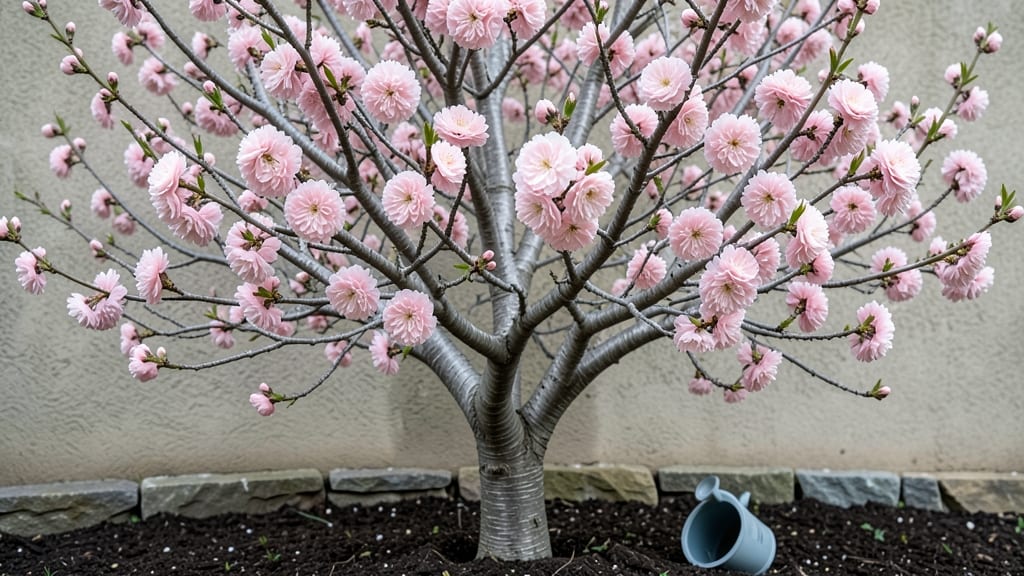
A double flowering almond tree turns your winter landscape into a pink-and-white cloud when most gardens are asleep. 🌸 I planted mine in zone 5, and every February, it bursts into bloom before the daffodils even think about waking up.
The secret to those dramatic double flowers isn't just luck—it's a mix of the right pruning, soil prep, and a little winter care that most gardeners skip.
The tree thrives in full sun and well-draining soil, but here's the trick: it needs regular pruning in late winter to encourage those abundant blooms. Most people wait too long, and the tree puts energy into leaves instead of flowers.
I've learned to prune right after the first flush of blooms fades, and the second wave is always more spectacular than the first. The tree also handles cold snaps like a champ—just protect young specimens their first winter.
By summer, you'll have glossy green foliage that turns golden in fall, plus the occasional almond (though they're not the focus). The real show? Those double blooms that make neighbors stop and stare.
With the right care, your tree will reward you with three weeks of nonstop color when everything else is still brown and dormant.
Whether you're growing it for ornamentals or hoping for a few edible nuts, this tree delivers year after year. The key is patience—it takes 2-3 years for a newly planted tree to hit its full bloom potential, but once it does, it's a showstopper that pays off every winter.
📚 In This Guide
- What you need
- Instructions
- Tips and common mistakes
- Wrapping up and next steps
What you need
- ● Double flowering almond tree sapling (choose a cold-hardy variety like Prunus glandulosa ‘Rosea’ or ‘Snow Fountain’).
- ● Well-draining soil mix (50% native soil, 30% compost, 20% perlite or sand). Pro tip: Almond trees hate soggy roots! 💡
- ● Organic mulch (3–4 inches of wood chips or straw to retain moisture and suppress weeds).
- ● Slow-release fertilizer (10-10-10 or 20-20-20, apply in early spring).
- ● Drip irrigation system or soaker hose (for consistent watering, especially in cold climates).
- ● Sharp pruning shears (bypass pruners, 7–9 inches for small branches).
- ● Loppers (for thicker branches, 10–14 inches).
- ● Hand pruners (for precision cuts on small stems).
- ● Gloves (thick gardening gloves to protect from thorns).
- ● Rake (for clearing debris and aerating soil).
- ● Measuring tape (to track branch growth and spacing).
- ● Tree support stakes (if planting in windy areas).
- ● Anti-desiccant spray (for winter protection in harsh climates).
- ● Soil pH test kit (ideal pH: 6.0–7.5; amend with lime or sulfur if needed).
- ● Bird netting (to protect blooms from hungry critters).
- ● Tree paint or wound dressing (for sealing large pruning cuts).
Step-by-step guide to cultivating a double flowering almond tree
Here’s how to coax stunning, repeat-blooming almond trees even in chilly zones.
🌱 Step 1: Choose the Right Variety and Planting Site
Select a cold-hardy double-flowering almond variety like ‘Peerless’ or ‘Springtime’—these thrive in USDA zones 5-8 and produce abundant blooms. Plant in full sun (at least 6-8 hours daily) with well-draining soil. Almond trees hate soggy roots, so avoid low spots where water pools.
Dig a hole twice as wide as the root ball but no deeper. Loosen the sides of the hole to encourage root spread. If your soil is heavy clay, mix in 2-3 inches of coarse sand or compost to improve drainage. The tree’s long-term health depends on this step—don’t rush it.
☀️ Step 2: Plant and Water for Strong Establishment
Place the tree so the top of the root ball sits 1-2 inches above ground level. This prevents water from pooling at the stem, which can rot the trunk. Backfill with native soil, tamping gently to remove air pockets. Water deeply to settle the soil—you’ll know it’s right when moisture reaches 12 inches down.
Mulch with 2-3 inches of organic mulch (like wood chips) around the base, keeping it 6 inches away from the trunk. Mulch conserves moisture and regulates soil temperature, which is crucial for repeat blooming. Water 2-3 times per week for the first month, then taper to once weekly once established.
✂️ Step 3: Prune for Abundant Blooms and Airflow
Prune in late winter or early spring before new growth begins. Remove dead, crossing, or inward-growing branches first—these compete for energy and reduce flowering. Cut back overly long branches by 1/3 to encourage bushier growth and more blooms. Use clean, sharp pruners to avoid tearing bark.
Thin out dense clusters so air circulates freely. Double-flowering varieties need good airflow to prevent fungal issues. After pruning, apply a balanced fertilizer (10-10-10) in early spring to fuel blooming. Watch for new shoots forming at the base—these are signs your tree is recovering well from pruning.
💧 Step 4: Maintain Year-Round Care for Repeat Blooms
Water deeply every 2-3 weeks during dry spells, but avoid overwatering—almond trees are drought-tolerant once established. In late summer, reduce watering to encourage dormancy. Apply a layer of mulch annually to retain moisture and suppress weeds, which compete for nutrients.
Fertilize lightly in early spring and mid-summer with a low-nitrogen, high-phosphorus blend (5-10-10) to support flowering. Monitor for pests like aphids or scale—spray with neem oil if needed. By year three, your tree should reward you with two bloom cycles: one in early spring and another in late summer.
⏰ Step 5: Protect Against Late Frosts and Winter Stress
Cover the tree with frost cloth if late frosts threaten after buds swell. Almond blooms are frost-sensitive, and damage can reduce next year’s flowers. In winter, avoid heavy pruning—wait until late winter to assess damage from cold snaps.
Young trees benefit from winter watering if the ground is frozen—use a soaker hose to deliver moisture without disturbing the soil. Mature trees, however, prefer dry dormancy. By spring, you’ll see new growth at the tips of branches, signaling successful winter care and setting the stage for another blooming season.
Tips & tricks for perfect double flowering almond trees
Here's what nobody tells you about growing these stunning trees—tricks that'll make all the difference in your first three years.
Sunlight Strategy: While the instructions call for 6-8 hours of full sun daily, I've found that southern exposure (especially in northern climates) gives you an extra 1-2 hours of beneficial sunlight. If planting near a fence or building, position the tree so it gets morning sun and afternoon shade—this prevents heat stress during summer blooms.
Soil Test First: Before amending your soil, test it for pH—double-flowering almonds prefer 6.0-7.5. If your soil is too acidic, add lime (1-2 pounds per 100 square feet) 2-3 months before planting. I learned this the hard way after my first tree struggled in acidic clay soil—it took two years to recover properly.
Pruning Timing: The late winter/early spring window for pruning is critical, but don't wait until buds swell. Aim for when daytime temperatures consistently stay above 40°F—this ensures you're not pruning too early (when sap flows heavily) or too late (when buds are vulnerable). I mark my calendar for mid-February in my zone 6 garden.
Frost Protection Hack: For those late spring frosts that threaten your blooms, I've had success with a DIY frost protection system: drape a lightweight row cover over the tree during the day (to allow sunlight) and secure it tightly at night. This raises temperatures by 5-10°F—just enough to protect delicate blossoms. Remove it completely by mid-morning to avoid heat buildup.
Pro Tips for Double Flowering Almond Tree
- Here's what nobody tells you about growing these stunning trees—tricks that'll make all the difference in your first three years.
- Sunlight Strategy: While the instructions call for 6-8 hours of full sun daily, I've found that southern exposure (especially in northern climates) gives you an extra 1-2 hours of beneficial sunlight.
- Soil Test First: Before amending your soil, test it for pH—double-flowering almonds prefer 6.0-7.5.
Frequently asked questions
Got questions about keeping your double flowering almond tree blooming beautifully year after year? You’re not alone! Here are answers to the most common queries—from pruning tips to climate concerns—to help you master this stunning cold-climate tree.
How often should I prune a double flowering almond tree for maximum blooms?
Prune your tree twice a year: once in late winter/early spring (before buds swell) to shape it and remove dead wood, and again in summer (after flowering) to encourage new growth. Avoid heavy pruning in fall—it can stress the tree before winter. Pro tip: Use sharp, sterilized tools to prevent disease!
Can double flowering almond trees survive harsh winters in Zone 5 or colder?
Yes! These trees are bred for cold hardiness, thriving in Zones 5-8. For extra protection in extreme cold (<10°F), wrap the trunk with burlap or tree guard and mulch heavily around the base. Young trees may need winter blankets for their first few years. Pro tip: Plant in a south-facing spot to maximize winter sun exposure.
Why isn’t my double flowering almond tree blooming as much as it should?
Several factors could be at play:
- Insufficient sunlight: Needs 6+ hours of sun daily—move it to a sunnier spot if blooms are sparse.
- Over-fertilizing: Too much nitrogen = leafy growth, fewer flowers. Use a balanced 10-10-10 fertilizer in early spring.
- Stress from pruning: Avoid cutting back more than 25% of the canopy in one season.
- Pests/disease: Check for aphids or fungal spots on leaves.
What’s the best alternative if I want a double-blooming tree but need something low-maintenance?
Consider these cold-hardy, low-fuss alternatives:
- Kwanzan Cherry (Prunus serrulata ‘Kwanzan’): Double blooms, zones 5-8, minimal pruning needed.
- Bradford Pear (Pyrus calleryana ‘Bradford’): White double flowers, zones 5-9, drought-tolerant.
- Dwarf Korean Lilac (Syringa meyeri ‘Palibin’): Fragrant double blooms, zones 4-8, compact size.
How do I fix split bark or cankers on my almond tree?
Split bark or cankers (sunken, oozing areas) are often caused by winter injury or bacterial/fungal infections. Here’s how to act:
- For minor splits: Prune away damaged bark with sterilized pruners, leaving a smooth edge.
- For cankers: Scrape out infected tissue, apply copper fungicide, and seal with pruning paint.
- Prevent future issues: Water deeply in droughts and avoid overhead watering to keep bark dry.
Wrapping up and next steps
Growing a double flowering almond tree in cold climates isn’t just possible—it’s a rewarding way to transform your garden into a year-round spectacle of beauty! 🌸 With the right pruning techniques, patience, and care, you’ll enjoy vibrant blooms even when winter lingers.
Whether you’re a seasoned gardener or just starting, this tree offers a stunning reward for your efforts.
Ready to take the next step? Start small—pick a sunny spot, gather your tools, and begin pruning this season. Watch as your almond tree thrives, blooms, and becomes the star of your landscape. Happy gardening! 🌿