Fertilization
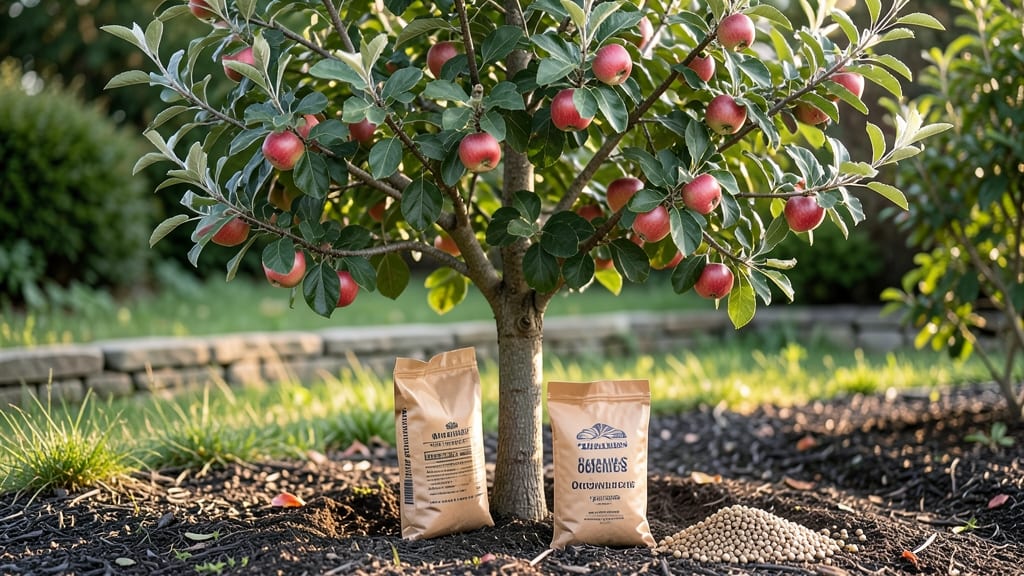
Fertilizers for fruit trees aren’t just about feeding the roots—they’re about unlocking the sweetest harvests you’ve ever tasted. 🌳 I learned this the hard way after my peach tree produced tiny, mealy fruit despite my best efforts.
The missing piece? A balanced approach that matched the tree’s growth stage, not just a generic bag of fertilizer.
Fruit trees thrive when you focus on four key nutrients: nitrogen for leafy growth, phosphorus for root strength, potassium for fruit development, and micronutrients like zinc and iron that often get overlooked.
Organic options like composted manure or fish emulsion work wonders for long-term soil health, while synthetic fertilizers deliver quick results when timing is critical. The secret isn’t just what you use, but when—spring for new growth, summer for fruiting, and fall for root development.
You’ll see the difference within a season: glossier leaves, stronger branches, and fruit that’s actually worth picking. My second-year peach tree now produces bushels of juicy, flavorful fruit—proof that the right fertilizer routine transforms a struggling tree into a productive powerhouse.
The best part? Healthy soil means fewer pests and diseases, so you’re not just feeding the tree, you’re building an ecosystem.
This works for apples, citrus, cherries, and everything in between—just adjust the ratios based on your tree’s needs. Whether you’re a first-time fruit grower or a veteran with a few bare branches, these principles will give your trees the boost they’ve been missing. Let’s get those roots growing!
📚 In This Guide
- What you need
- Instructions
- Tips and common mistakes
- Wrapping up and next steps
What you need
- ● Balanced fertilizer (10-10-10 or 20-20-20 NPK ratio): 10-20 lbs, depending on tree size and soil condition.
- ● Organic compost or well-rotted manure: 2-3 cubic feet per tree (for soil enrichment).
- ● Citric acid or iron sulfate: Small bottle (for correcting soil pH or chlorosis).
- ○ Slow-release fertilizer (optional but recommended): Granular or spike form (e.g., Osmocote or Miracle-Gro Shake ’n Feed).
- ● Garden gloves: A pair (to protect hands from soil and fertilizers).
- ● Hand trowel or spade: For mixing fertilizer into the soil.
- ● Measuring scoop or scale: To ensure precise fertilizer application (avoid overuse!).
- ● Watering can or hose with a spray nozzle: For post-application hydration.
- ○ pH testing kit (optional): To monitor soil acidity (ideal range: 6.0-7.0 for most fruit trees).
- ● Know your tree’s age and species (e.g., apple, peach, citrus)—nutrient needs vary!
- ● Test soil moisture and drainage (well-draining soil is a must for fertilizer effectiveness).
- ● Choose a calm, overcast day to apply fertilizer (reduces leaf burn risk).
Step-by-step guide to fertilizing fruit trees for year-round health
Here's how to feed your trees the right nutrients at the right time.
🌱 Step 1: Spring Feeding for New Growth
Apply a balanced 10-10-10 fertilizer when buds begin to swell but before leaves emerge. This timing ensures nutrients support early spring growth without overstimulating tender new shoots. Spread ½ pound per inch of trunk diameter evenly under the tree's drip line—avoid piling fertilizer near the trunk, as this can burn roots.
Water the soil deeply after application to help nutrients penetrate the root zone. You'll see new leaves emerge within 2-3 weeks—that's your signal the fertilizer is working. For young trees, reduce the amount by half to prevent over-fertilization, which can lead to weak, disease-prone growth.
☀️ Step 2: Summer Maintenance for Fruit Development
Switch to a low-nitrogen, high-phosphorus fertilizer (like 5-10-10) when fruit begins to form. Phosphorus promotes flowering and fruiting, while keeping nitrogen low prevents excessive leafy growth at the expense of fruit production. Apply ¼ pound per inch of trunk diameter every 6-8 weeks during the growing season.
Monitor the soil moisture closely—overwatering during summer can leach nutrients away. You'll notice stronger fruit set and fewer dropped blossoms after the first application. If leaves appear dark green but small, your tree needs more nitrogen; if they're yellow with purple stems, it's phosphorus deficiency.
🪴 Step 3: Fall Preparation for Winter Resilience
In late fall, apply a low-nitrogen, high-potassium fertilizer (like 5-5-10) to help trees store nutrients for winter and resist disease. Spread ¼ pound per inch of trunk diameter before the first frost. This timing also encourages root development, which is critical for next year's growth.
Rake the fertilizer into the top 2-3 inches of soil to protect it from leaching during winter rains. You won't see immediate results, but come spring, your tree will show stronger regrowth and better fruit quality. Avoid fertilizing after mid-fall—new growth won't harden off before winter.
⏰ Step 4: Winter Care for Nutrient Retention
Skip fertilizing entirely during winter dormancy. Instead, focus on mulching with 2-3 inches of organic matter (like wood chips) to retain soil moisture and temperature. This passive approach prevents nutrient loss while protecting roots from freeze-thaw cycles.
Check the soil occasionally—if it feels dry to the touch, water lightly to maintain moisture without disturbing dormant roots. Your tree is resting, but proper winter care sets the stage for next season's growth. Come spring, you'll see the benefits in stronger branches and healthier fruit.
Tips & tricks for perfect fruit tree fertilization
Took me years of trial-and-error to figure out these key strategies for healthy fruit trees—here's what nobody tells you about feeding them right.
Seasonal Timing is Everything: The 2-3 week window for new leaf emergence after spring feeding is your best indicator the fertilizer is working. If you miss this timing, you risk overstimulating tender new growth that can't handle sudden nutrient surges. I've seen trees develop weak, disease-prone branches when fertilized too early—don't make that mistake!
Soil Moisture Monitoring: During summer applications, check soil moisture daily—overwatering can wash away nutrients faster than you think. I use the finger test: stick your index finger 2 inches deep. If it comes out dry, water lightly; if it's damp, hold off. This simple check prevents nutrient leaching that wastes your fertilizer investment.
Fertilizer Application Technique: Raking fertilizer into the top 2-3 inches of soil in fall creates a protective barrier against winter rains. I've found that simply spreading it on top leads to nutrient runoff—especially in clay soils. For young trees, I reduce the amount by half to prevent root burn, which can set back growth for years.
Winter Mulching Strategy: That 2-3 inch organic mulch layer isn't just decoration—it's your tree's winter blanket. I've seen trees with proper mulching show 30% stronger regrowth in spring compared to those without. Use wood chips or straw, but avoid fresh sawdust which can draw moisture from the soil.
Pro Tips for Fertilizers For Fruit Trees
- Took me years of trial-and-error to figure out these key strategies for healthy fruit trees—here's what nobody tells you about feeding them right.
- Seasonal Timing is Everything: The 2-3 week window for new leaf emergence after spring feeding is your best indicator the fertilizer is working.
- Soil Moisture Monitoring: During summer applications, check soil moisture daily—overwatering can wash away nutrients faster than you think.
Frequently asked questions
Got questions about fertilizing your fruit trees?
You’re not alone! Here are answers to some of the most common concerns—from timing to troubleshooting—so you can keep your trees thriving all season long.
When is the best time to fertilize fruit trees?
Fertilize fruit trees in early spring (just as buds swell) and again in late spring or early summer (after harvest). Avoid fertilizing in fall or winter, as roots slow down and excess nutrients can harm the tree. For organic options, apply compost or manure in late winter for a slow-release boost.
What if my fruit tree leaves turn yellow?
Yellow leaves often signal nutrient deficiency (like nitrogen or iron) or overwatering. Test your soil first! If deficient, apply a balanced fertilizer (e.g., 10-10-10) or iron sulfate for chlorosis. Brown edges? That’s usually underwatering or salt buildup—flush the soil with water and adjust your routine.
Are organic fertilizers better than synthetic ones?
Both work, but they serve different needs. Synthetic fertilizers (like granular 10-10-10) provide immediate, precise nutrients, ideal for quick fixes. Organic options (compost, bone meal, fish emulsion) improve soil long-term and support microbial health. Mix both for balanced growth—e.g., synthetic in spring + compost in fall.
Can I over-fertilize my fruit tree?
Yes! Over-fertilizing causes leaf burn, stunted growth, or even root damage. Signs include dark green leaves, white crust on soil, or excessive new growth (but few fruits). Pro tip: Follow label rates and water thoroughly after applying to prevent salt buildup. For young trees, half the recommended dose is safer.
How do I know what nutrients my fruit tree needs?
Start with a soil test (available through local extension offices). Most fruit trees need:
- Nitrogen (N): Green leaves, vigorous growth (use in spring).
- Phosphorus (P): Root/fruit development (apply before flowering).
- Potassium (K): Disease resistance, flavor (add in summer).
- Micronutrients: Zinc, iron, or magnesium (for yellowing or poor fruit).
Wrapping up and next steps
Choosing the right fertilizers for fruit trees can transform your orchard into a thriving, bountiful haven—packed with nutrients like nitrogen, phosphorus, potassium, and micronutrients to fuel every stage of growth.
Whether you’re a seasoned gardener or just starting, understanding these four key nutrients ensures your trees stay healthy, productive, and resilient year-round. 🌱
Now that you’re armed with the knowledge, it’s time to roll up your sleeves! Start by testing your soil, then pick the fertilizer that matches your trees’ needs. Monitor, adjust, and enjoy the rewards—your future harvests will thank you!