
Pruning
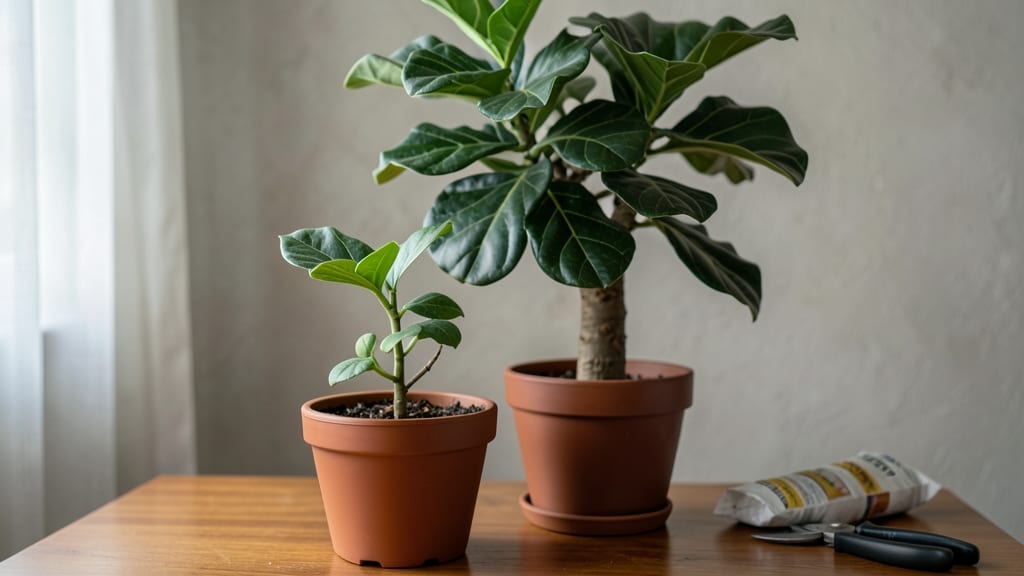
Planting a ficus tree in the Pacific Northwest means understanding its roots need something special—well-draining soil and protection from soggy winters. 🌱 I’ve learned that most beginners rush the soil prep, and that’s where problems start.
The difference between a thriving ficus and a struggling one often comes down to those first few inches of soil.
You’ll need a spot with morning sun and afternoon shade, whether it’s in the ground or a container with drainage holes. Ficus trees hate soggy roots, so if your yard stays damp, opt for a raised bed or a pot with a saucer.
The right location sets the stage for strong root growth and fewer headaches down the road.
Once planted, keep the soil consistently moist but not waterlogged for the first few weeks. A mulch layer helps retain moisture and mimics the tree’s natural habitat.
You’ll notice new growth within 4-6 weeks if everything’s just right—dark green leaves and sturdy stems that tell you you’re on the right track.
Container ficus trees need repotting every 2-3 years, while in-ground trees establish deeper roots over time. The key is patience—ficus trees grow slowly but reward you with glossy foliage and minimal fuss once settled. Here’s how to get started right.
📚 In This Guide
- What you need
- Instructions
- Tips and common mistakes
- Wrapping up and next steps
What you need
- ● Ficus tree: 1 healthy sapling (3–5 gallons in container size for best root development). Choose a variety suited to PNW’s USDA Zones 7b–9.
- ● Pot or planting hole: Container option: 1–2 ceramic or fabric pots (12–18" diameter) with drainage holes. Pro tip: Fabric pots prevent root circling! 🌡️
- ● Ground planting: Dig a hole twice as wide as the root ball but no deeper to avoid waterlogging.
- ● High-quality potting mix: 1 bag (1–2 cubic feet) of well-draining mix (e.g., 60% peat/coir, 30% perlite, 10% compost). PNW tip: Add 10% orchid bark for aeration!
- ● Drainage medium: 1–2" layer of gravel or pumice (for pots) or crushed rock (for in-ground planting).
- ● Watering can or hose: With a gentle spray nozzle to avoid compacting soil.
- ● Pruning shears: 1 pair (sterilized with rubbing alcohol) for trimming roots if needed.
- ● Gloves: 1 pair (heavy-duty for handling soil/roots).
- ● Root stimulator: 1 bottle (e.g., Mycorrhizal fungi or hydrogel crystals) to boost root growth in cool, damp PNW soil.
- ● Mulch: 2–3" layer of cedar chips or straw to retain moisture and regulate soil temp.
- ● Support stake: 1 bamboo or metal stake (for young trees in windy PNW areas).
- ● Soil moisture meter: 1 digital meter to monitor consistent moisture—critical for ficus roots!
- ● Fertilizer: Slow-release balanced fertilizer (10-10-10) or fish emulsion (apply 2 months post-planting).
Step-by-step guide for planting ficus trees in the Pacific Northwest
Here’s how I’ve successfully established ficus trees in our damp, cool climate—root growth thrives with these precise steps.
🌱 Step 1: Choose the Right Ficus Variety and Container
Ficus trees like the Ficus elastica (rubber plant) or Ficus benjamina adapt best to PNW conditions. Start with a 10-15 gallon container—ficus roots grow aggressively, so larger pots prevent root binding. I always use containers with drainage holes to avoid waterlogged soil, which causes root rot in our rainy climate.
Select a container with a diameter at least 12 inches wider than the root ball. Ficus trees hate being root-bound, and crowded roots lead to stunted growth. If planting outdoors, choose a spot with partial shade—direct sun can scorch leaves, while too little light weakens root development.
🪴 Step 2: Prepare Well-Draining Soil and Plant
Mix 50% high-quality potting soil with 30% perlite or pumice and 20% compost to create a fast-draining yet nutrient-rich blend. Ficus trees prefer slightly acidic soil (pH 6.1–6.5), so add a handful of peat moss if your soil tests higher. Fill the container halfway, then gently loosen the root ball of your ficus tree before placing it in the center.
Backfill with the soil mix, pressing lightly to eliminate air pockets but avoiding compaction. The top of the root ball should sit 1 inch below the container’s rim—this prevents soil from washing out during watering. Water thoroughly until moisture drains from the bottom holes, then let excess water drain completely.
☀️ Step 3: Position for Optimal Light and Humidity
Place your ficus in a location with bright, indirect light—think filtered sunlight through sheer curtains. In the PNW, south- or west-facing windows work best, but avoid harsh afternoon sun. If indoors, rotate the pot quarter-turn weekly to ensure even growth; ficus trees lean toward light sources if left stationary.
Mist the leaves daily or use a pebble tray with water to maintain humidity—ficus trees thrive in 50-60% humidity, which our dry indoor air lacks. You’ll notice glossy leaves and faster root growth when humidity is right. If leaves yellow or drop, it’s a sign of low humidity or overwatering.
💧 Step 4: Water Deeply and Monitor Soil Moisture
Water your ficus when the top 2 inches of soil feel dry—stick your finger in the soil to check. Overwatering is the biggest mistake in the PNW’s damp climate; ficus roots rot quickly in soggy conditions. I water deeply until water runs from the drainage holes, then empty the saucer to prevent root suffocation.
Reduce watering in winter when growth slows, but never let the soil dry out completely. Ficus trees store water in their leaves, but roots still need consistent moisture. If the soil stays damp for more than 3 days, your pot may lack drainage or the mix is too dense.
✂️ Step 5: Prune and Fertilize for Strong Root Growth
Prune leggy stems in early spring to encourage bushier growth and stronger roots. Cut just above a leaf node at a 45-degree angle to promote faster healing. I also remove any yellow or damaged leaves—they drain energy the roots need for expansion.
Fertilize every 6-8 weeks in growing season with a balanced liquid fertilizer (10-10-10). In the PNW’s cooler months, cut back to monthly feeding. Ficus trees respond well to organic options like fish emulsion, which mimics natural soil conditions. Stop fertilizing in late fall to let roots rest.
Tips & tricks for perfect ficus tree planting in the Pacific Northwest
Here's what nobody tells you about getting ficus roots to thrive in our damp, cool climate—these are the secrets that make all the difference.
Container Size Matters: That 10-15 gallon container recommendation isn't just about root space—it's about creating the right microclimate. Larger pots maintain more consistent soil moisture and temperature, which is critical in the PNW's fluctuating weather. I've seen ficus trees in 5-gallon pots struggle with root rot during our rainy winters, while the same varieties in 15-gallon containers thrived. If you're growing outdoors, consider using containers with built-in saucers to protect roots from our frequent downpours.
Soil Mix Science: The 50-30-20 soil blend isn't arbitrary—it's about creating the perfect balance. The 30% perlite or pumice is non-negotiable for our climate; it prevents that dreaded waterlogging that causes root rot. Pro tip: If you're using pumice, rinse it first to remove any dust that could compact your soil mix. I also add a handful of worm castings to the compost portion—they introduce beneficial microbes that help roots establish faster in our cool soil.
Light Positioning Hack: That quarter-turn weekly rotation isn't just about even growth—it's about preventing your ficus from developing a permanent lean toward the light. In the PNW, where natural light varies dramatically by season, this simple adjustment can mean the difference between a healthy, upright tree and one that constantly struggles to reach the light. Place a small mark on your windowsill to track rotation progress—it's an easy way to stay consistent.
Humidity Rescue Strategy: When our indoor air gets dry (especially in winter with heat running), ficus leaves can develop brown tips despite proper watering. The solution? Place your pot on a tray filled with pebbles and water—just make sure the pot sits above the water level. This creates a natural humidity dome around your plant. I've also had success using a small humidifier near my ficus collection during the driest months, which has dramatically improved leaf health.
Pro Tips for Ficus Tree Planting
- Here's what nobody tells you about getting ficus roots to thrive in our damp, cool climate—these are the secrets that make all the difference.
- Container Size Matters: That 10-15 gallon container recommendation isn't just about root space—it's about creating the right microclimate.
- Soil Mix Science: The 50-30-20 soil blend isn't arbitrary—it's about creating the perfect balance.
Frequently asked questions
Got questions about planting your ficus tree in the Pacific Northwest? You’re not alone! Here are some of the most common queries—plus straightforward answers to help you grow with confidence.
When is the best time to plant a ficus tree in the PNW?
The ideal window is early spring (March–April) or early fall (September–October). These periods offer mild temperatures and consistent rainfall, reducing transplant shock. Avoid planting in summer’s heat or winter’s frost—both stress young roots. Pro tip: If you must plant in summer, water deeply 2–3x/week to compensate for dry soil.
Do ficus trees need full sun, or can they thrive in partial shade?
Ficus trees are flexible! While they prefer 6+ hours of sunlight daily, many varieties (like Ficus elastica) tolerate partial shade (3–6 hours of sun), especially in the PNW’s cooler, cloudier climates. Watch for yellowing leaves—a sign of too little light. If indoors, place near a bright window or use grow lights.
Why are my ficus leaves dropping after planting?
Leaf drop is often normal during transplant shock, but excessive shedding (or crispy edges) may signal overwatering, underwatering, or root stress. Check soil moisture—stick your finger 2 inches deep; water only if dry. Ensure the pot/drainage has holes to prevent soggy roots. If leaves yellow and drop, consider nutrient deficiency (use a balanced fertilizer).
Can I grow a ficus tree indoors vs. outdoors in the PNW?
Outdoors:
Hardy varieties (e.g., Ficus macrophylla) handle PNW’s mild winters but need wind protection and well-draining soil. Indoors: Smaller ficus (like Ficus lyrata) thrive near windows with humidity (mist leaves or use a pebble tray). Just avoid drafts or sudden temperature swings—ficus hate cold drafts!
What’s a good alternative if my ficus isn’t thriving?
If your ficus struggles with light, humidity, or pests, try these PNW-friendly swaps:
- Rubber Plant (Ficus elastica) – Tougher, faster-growing.
- Olive Tree (Olea europaea) – Drought-tolerant, loves sun.
- Schefflera (Schefflera actinophylla) – Thrives in low light.
- Japanese Maple (Acer palmatum) – Native PNW beauty.
Wrapping up and next steps
Planting a ficus tree in the Pacific Northwest is a rewarding journey that blends patience with nature’s resilience. By choosing the right variety, preparing the soil, and nurturing young roots with care, you’ll unlock the secrets to thriving growth—even in our cooler, wetter climate.
Your hard work will soon be rewarded with lush foliage and a flourishing green space!
Ready to take the next step? Start small—whether it’s a single sapling or a grove—and watch your ficus thrive. Share your progress with fellow gardeners or dive deeper into pruning tips to keep your tree healthy for years to come! 🌱✨