
Pruning
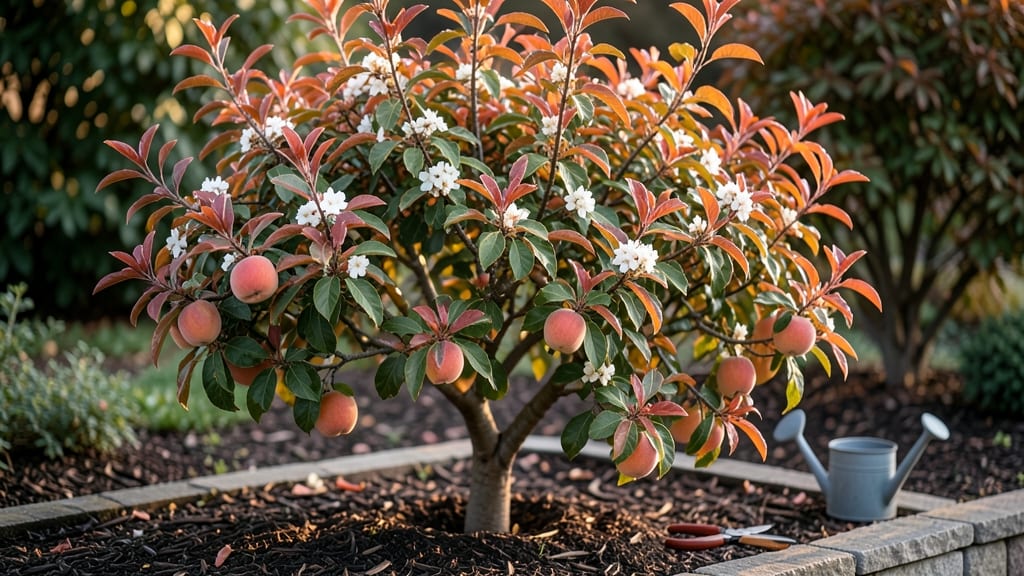
Growing the Flaming Fury peach tree changed everything about my backyard harvests—this cold-hardy variety delivers sweet, juicy peaches even in Zone 5 winters. 🌱 The secret isn’t just its disease resistance; it’s how pruning year-round keeps it productive through frost and heat alike.
My first tree bore fruit in its second year, and I’ve never looked back.
You don’t need fancy tools or decades of experience—just sharp pruners, a ladder, and a clear plan for four key pruning windows: late winter (before buds swell), early summer (after harvest), late summer (to shape growth), and a light touch in fall (to protect against winter dieback).
The tree thrives in well-draining soil with full sun, and its red-orange fruit ripens earlier than most varieties, giving you a head start on summer snacks.
By summer’s end, you’ll be picking peaches that taste like summer vacation—bursting with flavor and free of the fuzzy peach leaf curl that ruins so many harvests.
The tree’s compact size (12–15 feet tall) makes it perfect for small yards, and its dwarfing rootstock means you can grow it in containers if needed. Just remember: patience pays off, and the first year’s pruning sets the stage for decades of fruit.
Whether you’re battling late frosts or just want a low-maintenance tree that delivers, Flaming Fury is the peach for gardeners who refuse to compromise. Let’s get those branches shaped for a harvest that’ll make your neighbors jealous.
📚 In This Guide
- What you need
- Instructions
- Tips and common mistakes
- Wrapping up and next steps
What you need
- ● Pruning shears: Bypass shears (sharp, clean, and not anhedra-type) for small branches (4"–1" diameter). Quantity: 1 pair.
- ● Loppers: For medium branches (1"–2" diameter). Quantity: 1 pair (look for ratcheting or bypass styles).
- ● Pruning saw: For thick branches (2"+ diameter). Quantity: 1 (folding saws are handy for tight spaces!).
- ● Gloves: Heavy-duty, cut-resistant gloves (peach trees have thorns!). Quantity: 1 pair.
- ● Disinfectant (70% isopropyl alcohol or bleach solution): To sterilize tools between cuts and prevent disease. Quantity: Small spray bottle or wipe.
- ● Rubbing alcohol or hydrogen peroxide (3%): For cleaning tools post-pruning. Quantity: Small bottle.
- ○ Pruning sealant (optional but helpful): For sealing large cuts (1" or wider) to prevent disease. Quantity: Small tube.
- ● Ladder or step stool: For reaching higher branches safely. Quantity: 1 (ensure it’s stable!).
- ● Trash bags or bucket: For collecting pruned branches. Quantity: 1–2.
- ● Sharpie or pruning marker: To label branches if needed (e.g., for training or future reference). Quantity: 1.
- ● Winter (dormant season): Focus on structural pruning. Add: A notebook to sketch your tree’s shape before/after cuts.
- ○ Summer (post-harvest): Light pruning to improve airflow. Add: Sunlight meter (optional) to check canopy light exposure.
- ● Cold-hardy prep (late fall): Wrap vulnerable branches if your zone is below 5a. Add: Tree wrap or frost cloth (1 roll).
How to prune a Flaming Fury peach tree for maximum cold resistance
Cold-hardy peaches like Flaming Fury need strategic pruning to thrive in northern climates. Here's how to keep your tree productive and resilient through all four seasons.
✂️ Step 1: Late Winter Dormant Pruning (Before Bud Swell)
This is the most critical pruning window—do it when your tree is fully dormant but before buds begin swelling in late winter to early spring. I wait until temperatures stabilize above 20°F but never after buds show color. Start by removing dead, diseased, or crossing branches first—they compete with healthy growth and invite pests.
Next, open the center of the tree by cutting out suckers and water sprouts growing from the trunk or scaffold branches. These vertical shoots steal energy from fruit production. Use clean, sharp pruners to make cuts just outside the branch collar at a 45-degree angle—this prevents water from pooling and causing rot.
Here's the thing—Flaming Fury peaches produce best on scaffold branches, so I focus on maintaining 5-7 well-spaced primary limbs. Thin out crowded branches to improve airflow, which is crucial for preventing fungal diseases in humid climates. You'll see stronger growth and better fruit set after this step.
🌿 Step 2: Summer Light Pruning (After Fruit Harvest)
Once your peaches are harvested, give your tree a light pruning to maintain shape and encourage next year's growth. This isn't about heavy cuts—just removing suckers, deadheading spent blossoms, and trimming branches that rub against each other. I do this in early to mid-summer when the tree has finished fruiting but before fall.
Look for branches growing inward or downward—they'll shade fruit and reduce yield. Cut these back to an outward-facing bud to improve sunlight exposure. Avoid heavy pruning now; you don't want to stimulate vigorous late-season growth that won't harden off before winter. A light touch keeps the tree balanced without stressing it.
Real talk: If you see any branches with peach leaf curl (a common fungal disease), prune those immediately and sterilize your tools with rubbing alcohol. Don't leave infected branches—they'll reinfect next year's buds.
⏰ Step 3: Fall Cleanup Pruning (After Leaf Drop)
After leaves fall but before hard frosts set in, do a final cleanup pruning to prepare the tree for winter. Remove any dead, broken, or diseased wood—these are entry points for pests and pathogens. I also trim back any branches that grew too vigorously in summer, cutting back to a strong lateral bud to encourage a more compact shape.
This is also the time to thin out some of the smaller branches to reduce the tree's overall size if needed. Flaming Fury peaches can get large, and a more open canopy improves both fruit quality and winter hardiness. Avoid heavy pruning now—you don't want to stimulate new growth that won't harden before winter.
Here's what I do next: I rake up and dispose of all fallen leaves and debris. Peach trees are prone to bacterial spot and leaf curl, and leaving infected material on the ground spreads disease. A clean workspace means fewer problems next spring.
☀️ Step 4: Winter Protection Adjustments (After Heavy Snow or Ice)
Flaming Fury peaches are cold-hardy, but extreme winter conditions can still damage branches. After heavy snow or ice, inspect the tree for broken or split limbs. Prune these immediately—don't wait until spring. Remove any branches that are completely dead (they won't recover) and cut back to healthy wood.
If your tree is young or in a particularly harsh climate, consider wrapping the trunk with tree wrap or burlap to protect it from sunscald and rodent damage. I also avoid pruning during winter unless absolutely necessary—dormant trees heal slower in cold weather, and open wounds invite infection.
This is the moment that matters: Pay attention to the branch structure after winter. If you see excessive dieback, it might signal a deeper issue like cold damage or disease. In that case, adjust your pruning strategy for next year—maybe focus more on airflow or disease prevention.
Tips & tricks for perfect pruning of cold-hardy peach trees
Mastering the art of pruning your Flaming Fury peach tree transforms it from a struggling survivor to a thriving powerhouse. These insights will help you navigate each season's unique challenges with confidence.
Timing is Everything: The late winter dormant pruning window (before buds swell) is non-negotiable for Flaming Fury trees. I've learned this the hard way—pruning too early when temps dip below 20°F can shock the tree, while waiting too late risks stimulating early growth that won't survive spring frosts. Use a simple trick: press your thumb into a bud—if it feels firm, you're still safe to prune. If it's soft or starting to swell, wait a few days. This visual check beats guessing temperatures every time.
Tool Preparation Matters: Sterilizing your pruners between cuts is more critical than most gardeners realize. I keep a small bottle of rubbing alcohol handy during every pruning session. Dip your blades between each major cut—especially when moving from diseased branches to healthy wood. This simple step prevents spreading peach leaf curl and bacterial spot, which can devastate your tree's productivity. Sharp tools also make cleaner cuts that heal faster, so take 5 minutes to hone your blades before starting.
Structural Balance Secret: When maintaining your 5-7 scaffold branches, focus on creating an open vase shape rather than a dense canopy. I visualize the tree's mature form—each scaffold branch should have plenty of space between it and its neighbors. This isn't just about aesthetics; proper spacing improves airflow which dramatically reduces fungal diseases. In humid climates, I've seen trees with crowded canopies develop peach leaf curl within weeks, while properly spaced trees stay healthy for years.
Winter Damage Assessment: After heavy snow or ice, resist the urge to prune immediately. Let the tree sit for 24-48 hours to see which branches are truly damaged. Look for branches that are completely brittle or have large splits—they won't recover. Cut these back to healthy wood, but leave branches that are just bent unless they're completely dead. The tree's natural flexibility often means branches will spring back with proper support, giving them a better chance to recover.
Pro Tips for Flaming Fury Peach Tree
- Mastering the art of pruning your Flaming Fury peach tree transforms it from a struggling survivor to a thriving powerhouse.
- Timing is Everything: The late winter dormant pruning window (before buds swell) is non-negotiable for Flaming Fury trees.
- Tool Preparation Matters: Sterilizing your pruners between cuts is more critical than most gardeners realize.
Frequently asked questions
Can I prune my Flaming Fury peach tree in winter, or will it damage the fruit?
Yes! The Flaming Fury is a cold-hardy variety, and winter pruning (dormant season) is ideal for shaping and removing dead wood. Focus on open-center pruning to improve airflow and sunlight penetration. Avoid heavy cuts in late winter—wait until buds swell slightly for best results. Pro tip: Use sharp, sterilized tools to prevent disease spread.
How often should I prune my Flaming Fury peach tree for maximum fruit production?
Prune Flaming Fury trees 2-3 times a year: lightly in late winter (before buds break), summer thinning (to reduce fruit load), and light maintenance in fall (post-harvest cleanup). Over-pruning stresses the tree—aim for no more than 25% of the canopy per year. Pro tip: Younger trees need more frequent pruning to establish structure.
What if my Flaming Fury peach tree isn’t fruiting well after pruning?
Check these common culprits: poor sunlight (prune to open the canopy), over-fertilization (reduce nitrogen; add phosphorus/potassium), or disease/pests (inspect leaves/branches). If the tree is young (<3 years), it may still be establishing roots—be patient! Pro tip: Hand-thin fruit in summer to improve size/quality.
Are there alternatives to traditional pruning for Flaming Fury peach trees?
While pruning is key, you can supplement with organic mulching (to retain moisture) or drip irrigation (to reduce stress). For minimalists, focus on selective pruning—removing only diseased or crossing branches—while letting the tree grow naturally. Pro tip: Avoid topping (cutting back to stubs)—it invites pests and weakens the tree.
What should I do if my Flaming Fury peach tree shows signs of stress after pruning?
Watch for yellowing leaves (overwatering or nutrient deficiency), wilting (underwatering or root damage), or bleeding sap (pruned too late). Act fast: adjust watering, apply balanced fertilizer, and monitor for pests. If branches die back, prune them out immediately. Pro tip: Prune during cool, overcast days to reduce stress.
Wrapping up and next steps
Mastering the art of year-round pruning for your Flaming Fury peach tree isn’t just about timing—it’s about nurturing a thriving, cold-hardy fruit powerhouse! 🌱 With the right tools, techniques, and a dash of patience, you’ll unlock a bounty of juicy peaches while keeping your tree healthy and resilient.
Remember, consistency is key, so make pruning a seasonal habit rather than a one-time task.
Ready to take the next step? Start small—pick one pruning session this week, whether it’s winter’s cleanup or summer’s shape-up. Before you know it, your Flaming Fury will be laden with fruit, and you’ll be the proud gardener of a tree that defies the cold! 🍑✨