Pruning
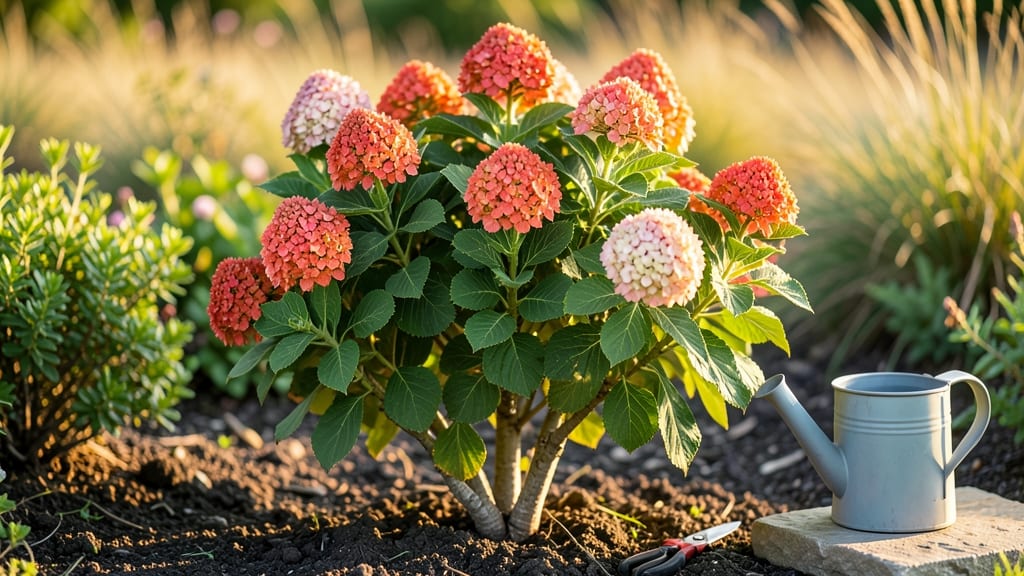
A full-grown Quick Fire Hydrangea tree bursts into flames every summer—literally, with foliage that turns fiery red by August. 🌿 I planted mine in my Pacific Northwest yard last spring, and it’s already outpacing my expectations with its bold, seasonal color shifts. and sturdy growth habit.
This isn’t your average hydrangea—it’s a compact tree (10–15 feet tall) that thrives in partial shade, making it perfect for urban gardens or understory plantings. The real magic?
Its year-round interest: creamy summer blooms, fiery fall foliage, and even winter structure when pruned right. Unlike finicky shrubs, it handles our rainy winters like a champ.
By pruning just once a year (late winter or early spring), you’ll encourage those showstopping blooms and keep the tree’s iconic shape. No deadheading needed—this hydrangea does the work for you. The payoff? A low-maintenance stunner that turns heads from spring through frost.
Works in zones 5–8, so whether you’re in Seattle’s mild climate or Portland’s foggy corners, this tree delivers drama with minimal fuss. Let’s get yours thriving—here’s how to keep it looking its best all season.
📚 In This Guide
- What you need
- Instructions
- Tips and common mistakes
- Wrapping up and next steps
What you need
- ● Pruning shears or loppers – Sharp, bypass-style (for clean cuts on branches up to ½ inch thick). Quantity: 1 pair.
- ● Pruning saw – For thicker branches (over ½ inch). Quantity: 1.
- ● Gloves – Heavy-duty, cut-resistant (to protect from thorns and rough bark). Quantity: 1 pair.
- ● Disinfectant (70% isopropyl alcohol or bleach solution) – To sterilize tools between cuts. Quantity: Small bottle.
- ● Rake or leaf blower – For clearing debris. Quantity: 1.
- ○ Pruning sealant (optional) – For large cuts to prevent disease. Quantity: Small tube.
- ● Garden twine or zip ties – To support heavy branches if needed. Quantity: Small roll.
- ● Best time to prune: Late winter or early spring (before new growth starts).
- ● Weather: Overcast day or early morning (to reduce stress on the plant).
- ● Safety first: Wear long sleeves and closed-toe shoes—Quick Fire hydrangeas can have spiky stems!
- ● Tree health check: Inspect for pests/disease before pruning. Act fast if issues are spotted!
Step-by-step Pacific Northwest pruning for a showstopping Quick Fire hydrangea
Here’s my proven method for keeping your mature Quick Fire hydrangea thriving with bold foliage and vibrant blooms all year—without the overwhelm.
🌿 Step 1: Time Your Pruning for Maximum Impact
Prune your Quick Fire hydrangea in late winter to early spring (February–March) before new growth begins. This timing ensures you’re cutting back just as the plant is about to burst into activity, which guarantees lush, vibrant foliage and abundant blooms. In the Pacific Northwest’s mild climate, avoid pruning after midsummer—you’ll risk removing next year’s flower buds.
I always mark the date on my calendar because timing is everything. If you prune too early, you’ll cut back into dormant buds; too late, and you’ll sacrifice next season’s blooms. Watch for the first signs of swelling buds on the stems—that’s your cue to hold off until after they’ve fully opened.
✂️ Step 2: Cut Back with Precision for Structure and Drama
Use clean, sharp pruners to make cuts just above a set of buds or leaves—never leave stubs. For a full-grown Quick Fire, I reduce the plant to one-third of its previous height, focusing on removing dead, weak, or crossing branches first. This creates an open, airy structure that lets light and air circulate, preventing fungal issues common in dense hydrangeas.
Here’s the thing—Quick Fires bloom on new wood, so you’re not risking next year’s flowers by cutting back hard. I always step back after pruning to visualize the shape. Aim for a slightly tapered silhouette, with the widest part at the top. This mimics natural growth patterns and makes future pruning easier.
☀️ Step 3: Feed and Hydrate for Year-Round Vibrancy
After pruning, apply a balanced, slow-release fertilizer (like 10-10-10) to replenish nutrients lost during the cutback. Quick Fires are heavy feeders, especially in the PNW’s nutrient-poor soils. Water deeply right after fertilizing to help roots absorb the nutrients—aim for 1–1.5 inches of water per week, more during dry spells. The soil should feel moist 2 inches down when you check with your finger.
Mulch the base with 3–4 inches of organic mulch (like shredded bark) to retain moisture and regulate soil temperature. This is non-negotiable in our damp winters and hot summers. I always avoid piling mulch against the trunk—keep it 2–3 inches away to prevent rot. Watch for new growth emerging within 4–6 weeks; that’s your signal the plant is recovering well.
🌱 Step 4: Maintain Year-Round with Seasonal Adjustments
In summer, deadhead faded blooms by cutting back to the nearest set of leaves. This encourages a second flush of flowers and keeps the plant looking tidy. Quick Fires are forgiving, but I never let more than 20% of the foliage yellow or brown—that’s a sign of stress, often from overwatering or poor drainage.
In fall, reduce watering slightly but keep the soil moist. The plant is preparing for dormancy, and consistent moisture helps it store energy for next year’s growth. I also monitor for pests like aphids or spider mites—spray with neem oil if you spot them early. By late fall, cut back any remaining dead foliage but leave the structure intact; winter rains will clean it up naturally.
Tips & tricks for perfect Pacific Northwest hydrangea pruning
Here’s what nobody tells you about transforming your Quick Fire hydrangea from "meh" to showstopping—without losing next year’s blooms.
Seasonal Cue Timing: The February–March window is non-negotiable, but here’s the secret: Look for those tiny, swollen buds on the stems—those are your green light to prune. In the PNW’s unpredictable weather, I set a reminder for the first week of March as a safety net. If you’re unsure, do a "bud check" every few days until you see them popping. This guarantees you’re cutting at the perfect moment for new growth.
Precision Cutting Technique: When you’re reducing the plant to one-third its height, focus on creating an inverted triangle shape—wider at the top, narrower at the base. This isn’t just about looks; it mimics the plant’s natural growth habit and makes future pruning a breeze. Pro tip: Use your pruners at a 45-degree angle just above a leaf bud. The angle prevents water from pooling on the cut, reducing rot risk. And always sanitize your pruners with rubbing alcohol between cuts to prevent disease spread.
Post-Pruning Recovery Boost: After the cutback, I’ve found that a light application of compost tea (not just fertilizer) right after pruning gives the roots a microbial boost. The 1–1.5 inches of water per week is critical, but don’t just eyeball it—use a rain gauge or tuna can buried in the soil to measure. The soil should feel like a damp sponge at 2 inches down. In our wet winters, I actually reduce watering slightly to prevent root rot while still keeping that moisture level.
Year-Round Maintenance Hack: For summer deadheading, I use a pair of clean scissors instead of pruners to trim spent blooms. This keeps the cuts clean and reduces the risk of introducing pests. And here’s a little-known trick: If you notice aphids early, spray the undersides of leaves first—they love to hide there. A 1% neem oil solution (1 tsp per quart of water) works wonders and is safe for bees when applied in the evening.
Pro Tips for Full Grown Quick Fire Hydrangea Tree
- Here’s what nobody tells you about transforming your Quick Fire hydrangea from "meh" to showstopping—without losing n...
- 🌿 Seasonal Cue Timing: The February–March window is non-negotiable, but here’s the secret: Look for those tiny, swol...
- ✂️ Precision Cutting Technique: When you’re reducing the plant to one-third its height, focus on creating an inverted...
Frequently asked questions
Got questions about transforming your Quick Fire hydrangea into a stunning, full-grown tree? We’ve got answers!
How do I know when the best time is to prune my Quick Fire hydrangea into a tree shape?
The ideal time is late winter or early spring (before new growth starts). For the Pacific Northwest’s mild climate, aim for February or March. Avoid pruning in fall—it can stimulate tender growth vulnerable to frost. Pro tip: If you miss the window, prune in early spring but avoid heavy cuts after mid-May to prevent sacrificing next year’s blooms!
Can I prune my Quick Fire hydrangea into a tree shape every year, or should I wait?
You can lightly shape it annually, but major tree pruning (like removing large branches) should be a one-time project or done every 3–4 years. Quick Fire hydrangeas bloom on new wood, so over-pruning risks reducing flowers. Focus on selective cuts to maintain your tree’s form while preserving blooms.
What if my Quick Fire hydrangea isn’t thriving after pruning? Troubleshooting tips?
If your hydrangea looks stressed, check these fixes:
Yellow leaves? Overwatering or poor drainage—ensure it’s in well-draining soil and water deeply but infrequently.
No blooms? Pruned too late or too hard? Next year, prune earlier and avoid cutting back more than 1/3 of the plant.
Leggy growth? Needs more sunlight! Quick Fire thrives in partial shade but 6+ hours of sun boosts blooms.
Pro tip: Feed with balanced fertilizer in early spring to encourage recovery.Are there alternatives to Quick Fire for a hydrangea tree shape?
Yes! If Quick Fire’s growth habit doesn’t suit you, try:
- ‘Limelight’ hydrangea – Larger blooms, similar care.
- ‘Endless Summer’ – Reblooms on old and new wood (more forgiving).
- Oakleaf hydrangea – Stunning fall color, but slower-growing.
How do I prevent my Quick Fire hydrangea tree from looking “bushy” after pruning?
To keep it clean and tree-like, follow these steps:
- Remove all lower branches up to your desired trunk height (use sharp pruners for clean cuts).
- Thin out crossing or weak branches to improve airflow.
- Shape the canopy by cutting back some outer growth to encourage a fuller top.
- Apply wound paint (optional) to larger cuts to prevent disease.
Wrapping up and next steps
Transforming your Quick Fire Hydrangea Tree into a stunning, year-round showpiece is totally within reach—especially with the Pacific Northwest’s perfect climate! By mastering the art of strategic pruning, you’ll unlock bold blooms, vibrant foliage, and that coveted dramatic flair. 🌿✨
Ready to take the next step? Grab your pruners, mark your calendar, and schedule your first pruning session this fall or early spring. Watch your tree thrive—and don’t forget to share your progress with fellow gardening enthusiasts! 🌟