Pruning
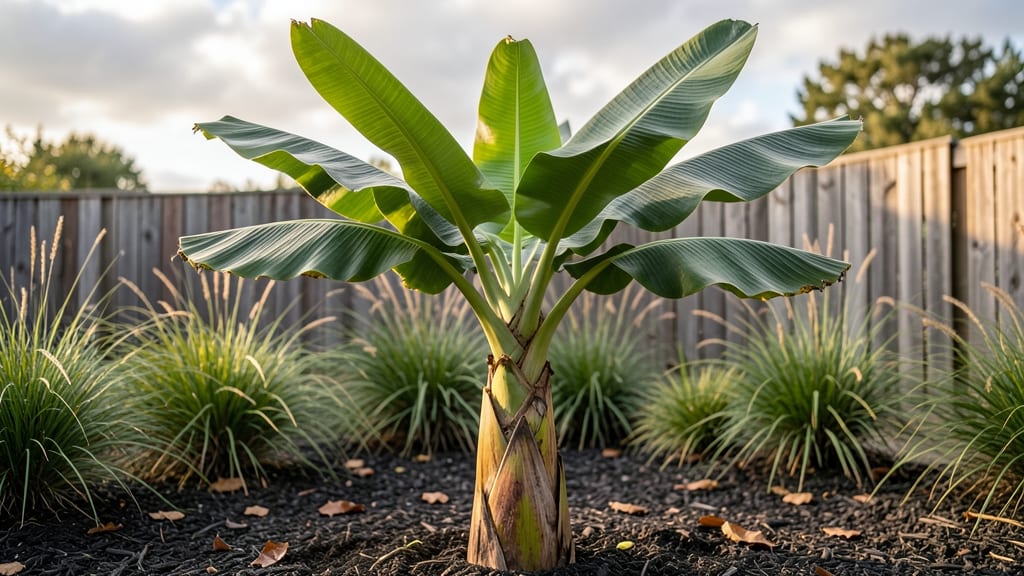
Pruning a hardy banana tree in the Pacific Northwest isn’t just about keeping it tidy—it’s about unlocking year-round growth when most varieties would freeze solid. 🌿 I’ve pruned mine through three winters, and the difference between a scraggly mess and a lush, productive plant comes down to timing, technique, and knowing exactly where to cut.
The right approach turns your banana tree into a four-season statement piece that actually thrives in our damp, chilly climate.
Here’s the thing—these cold-hardy varieties (like Musa basjoo or ‘Dwarf Cavendish’) handle pruning differently than tropical bananas. You’re not stripping it bare like a fruit tree; instead, you’re shaping it to bounce back faster after winter’s chill. The key supplies?
Just sharp pruners, a bucket of water, and a clear day to avoid stressing the plant. Most of the work happens in late winter, but I’ll show you how to keep it looking polished all year without sacrificing next season’s harvest.
By the time you’re done, your banana tree will have cleaner stems, more energy for new fronds, and even a few surprises—like unexpected blooms in summer. The secret isn’t aggressive cutting; it’s strategic trimming to encourage strong regrowth while protecting the crown from frost.
Plus, you’ll avoid the common mistake of over-pruning, which can leave your plant vulnerable to pests or disease in our rainy climate.
Whether you’re dealing with a mature plant or a young one still finding its feet, these techniques adapt easily. The same principles work for container-grown trees or in-ground plantings—just adjust for space.
Ready to transform your banana tree from a winter casualty into a showstopper that keeps growing when others are dormant?
📚 In This Guide
- What you need
- Instructions
- Tips and common mistakes
- Wrapping up and next steps
What you need
- ● Pruning shears or loppers (bypass type, sharp and sterilized to prevent disease) – 1 pair
- ● Hand pruners (for smaller cuts) – 1 pair
- ● Heavy-duty gloves (cut-resistant, garden-grade) – 1 pair
- ● Disinfectant (70% isopropyl alcohol or bleach solution) – small bottle
- ○ Pruning sealant (optional, for large cuts) – small tube
- ● Bucket or wheelbarrow (for debris) – 1
- ● Rake or broom (for cleanup) – 1
- ● Extension pole saw (for high branches) – 1
- ● Safety glasses (to protect from debris) – 1 pair
- ● Compost bin or bag (for repurposing trimmings) – as needed
- ● Marking spray (paint) (to tag cuts for future reference) – small bottle
Step-by-Step guide to pruning hardy banana trees in the Pacific Northwest
Your banana tree thrives year-round here—keep it healthy with these precise pruning techniques.
🌿 Step 1: Assess Growth and Identify Pruning Zones
Start by examining your tree in early spring, just as new shoots emerge. Look for dead or diseased fronds—these are the first to go. Hardy banana trees (Musa basjoo) grow from a thick pseudostem, so pruning too deeply can harm the plant. Focus on removing only the outer fronds that are completely brown and dry, leaving the inner green fronds intact to continue photosynthesis.
Use clean, sharp pruning shears to make cuts at a 45-degree angle, about ½ inch above a visible bud or node. This prevents water from pooling on the cut and encourages new growth. I like to work on a dry day when the tree isn’t actively transpiring—this reduces stress. If you’re unsure which fronds to remove, wait until you see new shoots emerging from the center; these indicate the tree is ready for more aggressive pruning.
✂️ Step 2: Remove Dead Fronds and Thin the Canopy
Begin by stripping away any completely brown or blackened fronds at the base. These no longer serve the plant and can harbor pests. Use your pruners to cut through the fibrous material cleanly—don’t tear it, as this can damage the pseudostem. For larger fronds, I often use a hand saw to avoid straining my wrists, especially on mature trees.
Next, thin the canopy to improve airflow and light penetration. Remove every other frond if the tree looks overly dense, focusing on the outermost leaves. This prevents fungal issues like sigatoka leaf spot, which thrives in humid Pacific Northwest summers. After pruning, step back and assess the shape—you want a balanced, vase-like structure with no bare spots. If the tree leans heavily toward one side, prune more aggressively on that side to encourage upright growth.
🌱 Step 3: Prune for Winter Hardiness and New Growth
In late fall, after the first frost, it’s time for a light maintenance prune to prepare the tree for winter. Remove any remaining dead fronds and trim back overly long or damaged leaves to reduce wind resistance. Hardy banana trees can tolerate 20°F temperatures, but exposed pseudostems may suffer frost damage, so avoid cutting back too aggressively. Leave at least ⅓ of the fronds to protect the growing point.
Here’s the key: never remove more than ⅓ of the fronds in a single season. Over-pruning stresses the tree and can lead to cankers or rot. Instead, spread pruning efforts across early spring and late fall. After pruning, apply a 2-inch layer of mulch (like the wood chips you’ll have on hand) around the base to insulate the roots and retain moisture. This is especially critical in the PNW’s wet winters, where root rot can become an issue.
⏰ Step 4: Monitor and Adjust for Year-Round Health
Throughout the year, keep an eye out for new shoots emerging from the base. These are called pups and indicate the tree is healthy. If you have space, you can transplant a pup to propagate a new tree—just dig carefully to avoid damaging the roots. For established trees, remove only the weakest pups to redirect the tree’s energy into stronger growth.
Adjust your pruning approach based on the tree’s response. If it produces fewer fronds after pruning, you’ve likely cut back too much. If it looks overwhelmed by new growth, thin more aggressively next time. Hardy banana trees in the PNW often grow 6-10 feet tall, so pruning isn’t just about aesthetics—it’s about maintaining structural integrity and preventing storm damage. After each pruning session, water deeply to help the tree recover, especially during the drier summer months when growth is most active.
Tips & tricks for perfect hardy banana tree pruning
These pruning secrets will help you maintain a thriving, balanced banana tree that thrives year-round in our Pacific Northwest climate.
Timing is Everything: The early spring timing in Step 1 is critical because that's when new shoots emerge—this signals the tree's natural growth cycle. If you prune too early, you risk removing fronds that could still contribute to photosynthesis. In Step 3, that late fall prune after the first frost helps the tree harden off before winter, but don't wait too long—prune before temperatures drop below 20°F consistently. I've learned this the hard way after seeing frost damage on trees I pruned too late in the season.
Tool Selection Matters: Using clean, sharp pruning shears isn't just about making clean cuts—it's about preventing disease transmission. I've seen many gardeners use dull tools that actually tear the fibrous pseudostem, creating entry points for pathogens. For larger fronds in Step 2, that hand saw recommendation isn't just about convenience—it's about maintaining proper leverage to avoid over-straining your wrists, especially when working with mature trees that can have fronds 6-8 feet long.
Visual Cues for Pruning: The instructions mention looking for completely brown fronds, but here's what I've learned: healthy brown fronds should be dry and crisp to the touch, while diseased fronds often have a slimy texture or blackened edges. In Step 2, when thinning the canopy, focus on removing fronds that are pointing directly downward—they block light from reaching the inner growth. I always step back and look at the tree from all sides to check for balanced light exposure, which is crucial for preventing fungal issues in our humid climate.
Seasonal Adaptation: The ⅓ rule in Step 3 is non-negotiable, but here's how to adapt it: In exceptionally mild PNW winters (like we've seen in recent years with warmer temperatures), you can safely remove up to ⅓ of the fronds in late fall to encourage new spring growth. However, if we get an early frost or unusually cold snap, stick strictly to the ⅓ limit. After pruning, that 2-inch layer of wood chips isn't just for insulation—it creates a microclimate that helps maintain more consistent soil temperatures, which is particularly important during our wet winters when root rot can become problematic.
Pro Tips for Hardy Banana Tree
- These pruning secrets will help you maintain a thriving, balanced banana tree that thrives year-round in our Pacific Northwest climate.
- Timing is Everything: The early spring timing in Step 1 is critical because that's when new shoots emerge—this signals the tree's natural growth cycle.
- Tool Selection Matters: Using clean, sharp pruning shears isn't just about making clean cuts—it's about preventing disease transmission.
Frequently asked questions
Got questions about keeping your hardy banana tree thriving in the Pacific Northwest? Here are answers to the most common ones—so you can prune with confidence, year-round!
When is the best time to prune my hardy banana tree?
The ideal time is late winter or early spring (February–March) before new growth begins. However, you can do light pruning anytime to remove dead or damaged fronds. Avoid heavy cuts in fall, as the plant needs energy to store for winter.
Can I prune my hardy banana tree in winter?
Yes, but only lightly. Focus on removing brown, frozen, or diseased fronds—never cut back more than 1/3 of the plant. Hardy banana trees are cold-hardy (USDA Zones 7–11), but they need time to recover. Wait for spring for major pruning.
How do I know if I’m over-pruning my hardy banana tree?
Watch for these signs: stunted growth, yellowing leaves, or no new fronds for months. If you’ve cut back too aggressively, the plant may struggle to regenerate. Hardy banana trees are resilient but not indestructible! Start with small cuts and observe.
Will pruning affect my banana tree’s fruit production?
Pruning encourages fruit production by redirecting energy to the pseudostem (trunk). However, it takes 2–3 years for a mature hardy banana tree to bear fruit after heavy pruning. Focus on shaping first—rewards (edible bananas!) come later!
What if my hardy banana tree isn’t bouncing back after pruning?
Check for: root rot (soggy soil), pests (aphids, scale), or nutrient deficiencies (yellow leaves = nitrogen). Adjust care: improve drainage, fertilize lightly (balanced 10-10-10), and protect from frost with mulch. Patience is key—hardy banana trees recover slowly!
Wrapping up and next steps
Growing a thriving hardy banana tree in the Pacific Northwest is totally doable—even with its unique climate! 🌿 With the right pruning techniques, you’ll keep your plant healthy, productive, and stunning year-round.
Whether you’re trimming for shape, encouraging new growth, or protecting against frost, these secrets will help your banana tree flourish for seasons to come.
Ready to take the next step? Start small—pick one pruning task from this guide and observe how your tree responds. Over time, you’ll build confidence and create a lush, low-maintenance tropical oasis right in your backyard. Happy pruning! 🌱✨