
Trees
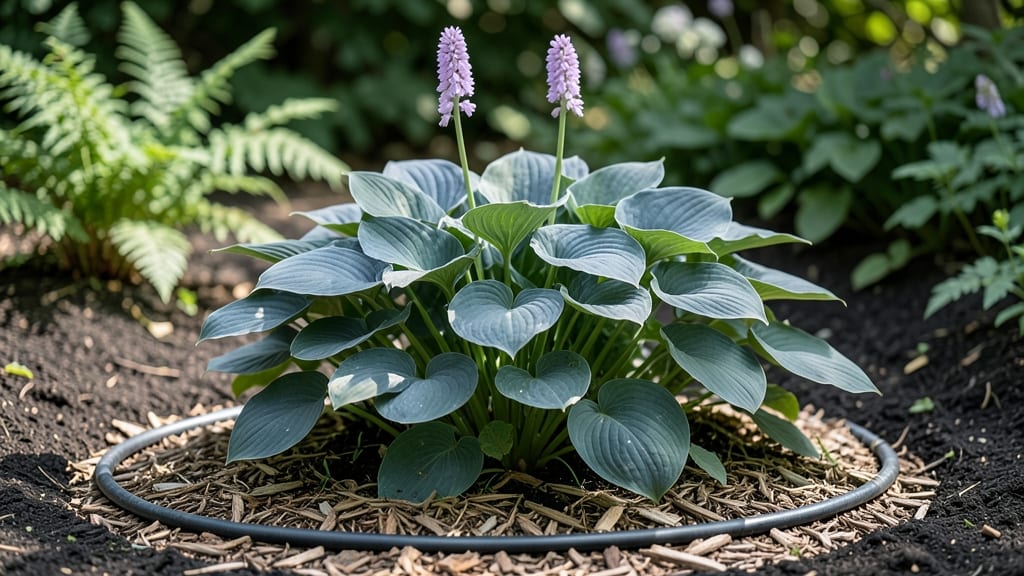
Hostas under trees thrive where most plants give up, turning dim corners of your yard into lush, velvety green retreats. 🌿 I’ve planted hostas under pine, maple, and oak trees—places where lawns turn brown and annuals wilt—and they’ve never let me down.
The key isn’t just picking the right variety; it’s preparing the soil, managing competition, and giving them the care they actually need in low-light conditions.
Most people assume hostas under trees mean struggling with thin soil and root competition, but with the right approach, you’ll get bold, healthy foliage that lasts all season. Start with well-draining soil amended with compost—hostas hate soggy roots—and choose varieties like ‘Halcyon’ or ‘Francee’ for extra shade tolerance.
Mulch heavily (3–4 inches) to suppress weeds and retain moisture, which is critical when tree roots hog water.
By summer’s end, you’ll have a thriving ground cover that outshines anything in full sun. The broad leaves create texture, the variegation adds drama, and they even handle leaf litter better than most shade plants.
Plus, deer and rabbits usually skip them—unlike many other shade-loving perennials. The only challenge? Keeping them from getting crowded by aggressive tree roots, but that’s easy with proper spacing and regular checks.
This method works in woodland gardens, foundation plantings, or under large patio trees—anywhere else would be a waste of their potential. Once established, they’ll spread quietly, filling gaps without demanding attention. Let’s get those hostas planted where they belong—under the canopy!
📚 In This Guide
- What you need
- Instructions
- Tips and common mistakes
- Wrapping up and next steps
What you need
- ● Hostas: Choose shade-tolerant varieties (e.g., Hosta lancifolia, Hosta sieboldiana). Buy 3–5 mature plants (1-gallon pots) or 10–15 smaller nursery starts (quart pots) for full coverage.
- ● Well-draining potting soil: 5–10 bags (2–3 cubic feet each) of a peat-free, organic mix (e.g., Miracle-Gro Garden Soil or FoxFarm Ocean Forest).
- ● Organic mulch: 2–3 cubic feet of shredded bark, pine needles, or composted leaves to retain moisture and suppress weeds.
- ● Slow-release fertilizer: 1–2 bags of 10-10-10 or 5-10-5 (e.g., Osmocote Smart-Release Plant Food) for balanced nutrition.
- ● Garden trowel or spade: For digging holes (12–18 inches deep/wide).
- ● Garden gloves: Heavy-duty to protect hands from thorns or rough bark.
- ● Watering can or hose with a gentle spray nozzle: Hostas love moisture!
- ○ Pruners (optional): For trimming dead leaves or invasive tree roots.
- ○ Soil pH tester (optional): Hostas prefer neutral to slightly acidic soil (pH 6.5–7.5).
- ○ Root stimulator (optional): Mycorrhizal fungi or seaweed extract to boost root growth.
Step-by-Step guide for planting hostas in shaded tree areas
Here's how to create a thriving understory garden where hostas will flourish year-round.
🌱 Step 1: Select and Prepare the Planting Site
Choose a location with dappled shade to full shade—hostas tolerate low light better than most perennials. Look for areas where tree canopy provides morning sun with afternoon shade or filtered light year-round. Avoid spots where tree roots compete aggressively for moisture, as this can stress hostas during dry spells.
Test the soil moisture by digging a 6-inch deep hole—if it stays damp but not soggy for 24 hours after rain, it's ideal. Amend heavy clay soil with 2-3 inches of compost to improve drainage, but avoid sandy soil unless you supplement with organic matter to retain moisture. Hostas prefer slightly acidic to neutral soil (pH 6.5-7.5)—test your soil with a kit if unsure.
🪴 Step 2: Choose and Plant Hosta Varieties for Shade
Select medium to large hosta varieties like 'Blue Angel', 'Francee', or 'Halcyon' for bold foliage impact under trees. Smaller varieties like 'Patriot' or 'Lemon Lime' work well in tight spaces between tree roots. Plant in early spring or fall when temperatures are 50-70°F—avoid summer heat, which stresses newly planted hostas.
Dig holes twice as wide as the root ball but only as deep as the crown (where roots meet stems). Space plants 18-24 inches apart for medium varieties and 24-36 inches apart for large ones. Gently loosen roots if pot-bound, then place the plant so the crown sits just below soil level—burying it too deep causes rot, while leaving it exposed invites sunscald.
☀️ Step 3: Mulch and Water for Long-Term Success
Apply a 3-inch layer of mulch (shredded bark or wood chips) around each plant, keeping it 2 inches away from stems to prevent rot. Mulch retains moisture, regulates soil temperature, and suppresses weeds—critical under trees where light competition is fierce. Replenish mulch annually in early spring as it breaks down.
Water deeply once a week during the first growing season, aiming for 1-1.5 inches of water per session. You'll know it's enough when water drains 6 inches deep—stick a screwdriver into the soil to check. After establishment, hostas need water only during prolonged dry spells, as their thick leaves conserve moisture well. Overwatering is the fastest way to kill them.
🌿 Step 4: Maintain and Divide for Continuous Growth
Fertilize in early spring with a balanced 10-10-10 formula (use ½ the recommended dose) to avoid leaf burn. Hostas are low-maintenance but appreciate a monthly feeding with compost tea during active growth (spring to early fall). Remove dead or yellowing leaves in late winter to encourage new growth—this also prevents fungal diseases from overwintering.
Divide clumps every 3-5 years in early spring or fall when foliage is dormant. Dig up the plant, separate crowns with 3-5 leaves each, and replant immediately. This rejuvenates growth and prevents the center from becoming bare. Watch for slug damage—hostas are a favorite snack, so apply iron phosphate bait in early evening when slugs are active.
Tips & tricks for perfect hosta planting under trees
Here's what nobody tells you about creating a thriving understory garden that'll make your hostas the envy of the neighborhood.
Soil Moisture Test: That 6-inch deep hole test in Step 1 is your golden ticket to success. I learned this the hard way after planting hostas in what I thought was "moist" soil—only to watch them wilt during a dry spell. The 24-hour dampness test ensures you're not dealing with hidden drainage issues that'll drown roots or leave them thirsty. If your soil drains too fast, add that 2-3 inches of compost and give it a week to settle before planting.
Planting Depth: The crown placement in Step 2 is where most beginners mess up. Burying it too deep suffocates the plant, while leaving it exposed invites sunscald. Here's my trick: When you place the hosta in the hole, make sure the soil line on the root ball aligns perfectly with the surrounding soil level. This visual cue guarantees you've got it just right every time.
Mulch Application: That 3-inch layer of mulch in Step 3 isn't just decoration—it's your hostas' lifeline under trees. I've seen gardeners apply it too close to stems, creating a perfect breeding ground for rot. Always keep that 2-inch gap from the stems. Pro tip: Use a flat tool to create a slight depression around each plant before adding mulch—this helps water flow directly to the roots where it's needed most.
Watering Technique: The 1-1.5 inches of water per session in Step 3 might seem like a lot, but here's why it works: Hostas have thick leaves that conserve moisture, but their roots need deep hydration. Use a rain gauge or tuna can to measure your water—eyeballing it leads to either underwatering or drowning your plants. And that screwdriver test? It's foolproof for checking depth—when it slides in easily 6 inches deep, you've nailed the perfect watering.
Pro Tips for Hostas Under Trees
- Here's what nobody tells you about creating a thriving understory garden that'll make your hostas the envy of the neighborhood.
- Soil Moisture Test: That 6-inch deep hole test in Step 1 is your golden ticket to success.
- Planting Depth: The crown placement in Step 2 is where most beginners mess up.
Frequently asked questions
Got questions about growing hostas under trees? You’re not alone!
Here are some of the most common concerns—and their solutions—to help you create a thriving shade garden with confidence.
Can hostas survive if they don’t get any direct sunlight?
Hostas are legendary shade-tolerant plants and can thrive with just 2–4 hours of dappled sunlight daily. However, they’ll grow slower and may produce fewer blooms in deep, dense shade. If your tree blocks all light, opt for variegated varieties—they’ll still shine (literally) with their striking foliage.
How long does it take for hostas to establish under a tree?
Hostas are patient plants! With consistent watering (especially in their first year), they’ll establish roots within 6–12 months. Full vigor—lush leaves, sturdy stems, and potential blooms—typically takes 2–3 years. Mulch heavily to retain moisture and suppress weeds, which speeds up the process.
Why are my hostas turning yellow or brown under my tree?
Yellowing leaves often signal overwatering or poor drainage (common under trees with shallow roots). Brown edges or crispy tips? That’s usually drought stress or salt buildup from fertilizers. Check the soil moisture—hostas prefer it consistently moist but not soggy. If roots are suffocating, loosen compacted soil or add organic matter like compost.
What’s the best way to prepare the soil under a tree for hostas?
Trees steal nutrients and compact soil, so amend the area generously before planting:
- Remove grass/sod and loosen soil to a depth of 12 inches.
- Mix in 3–4 inches of compost or aged manure to improve drainage and fertility.
- Add a 1-inch layer of mulch (wood chips or pine straw) to retain moisture and cool roots.
- Avoid fresh mulch or bark—it can rob nitrogen from the soil.
Are there hosta varieties that do better than others under trees?
Yes! For deep shade, prioritize:
- Blue hostas (e.g., ‘Blue Angel’ or ‘Halcyon’) tolerate low light better than green varieties.
- Variegated types (e.g., ‘Francee’ or ‘Patriot’) handle shade well and add visual interest.
- Small to medium-sized hostas (e.g., ‘June’ or ‘Lime Rickey’) compete less with tree roots.
Wrapping up and next steps
Hostas under trees aren’t just a possibility—they’re a fantastic way to transform shady spots into thriving, low-maintenance gardens! 🌿 With the right variety, soil prep, and care, you’ll enjoy lush foliage, year-round interest, and fewer pests.
Whether you’re a seasoned gardener or just starting, these shade-loving plants are your secret weapon for greening up forgotten corners.
Ready to get growing? Start small: Pick 2-3 hosta varieties to test in different light conditions, then expand your collection as you discover what thrives best in your space. Happy planting—your future shade garden awaits! 🌱