
Pruning
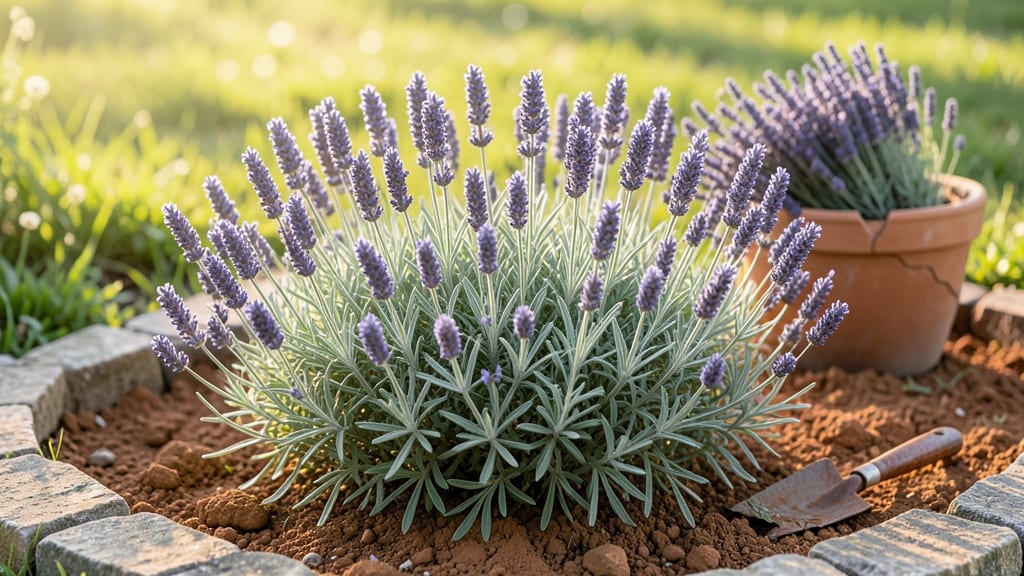
Caring for a small lavender tree in the Pacific Northwest means fighting the rain—yet I’ve grown fragrant bushes that thrive despite the drizzle. The secret isn’t avoiding water entirely, but mastering a routine that keeps roots happy without drowning them.
Most gardeners overdo it, turning lavender’s woody stems to mush, but with the right balance, you’ll have silvery foliage and purple spikes all summer long.
Start with well-draining soil—lavender hates soggy feet—and plant in a spot where it gets at least 6 hours of sun daily. Mulch lightly with gravel (not organic matter) to prevent rot, and water deeply but only when the top inch of soil is bone-dry.
Overwatering is the #1 killer, but underwatering stresses the plant too—find that sweet spot, and your lavender will reward you with that signature scent.
Prune after blooming to shape the tree and encourage bushiness, but never cut into old wood—you’ll sacrifice next year’s flowers. In winter, trim back any dead growth, and protect young plants from heavy rain with a simple plastic cover.
With these adjustments, your lavender will stay compact, fragrant, and resilient through our wet climate.
Troubleshooting is easy once you know the signs: yellowing leaves mean too much water, while sparse blooms often signal insufficient sun. Fertilizer? Skip it—lavender thrives on neglect. The key is patience; established plants become drought-tolerant and nearly pest-proof. Ready to turn your yard into a fragrant retreat?
📚 In This Guide
- What you need
- Instructions
- Tips and common mistakes
- Wrapping up and next steps
What you need
- ● Pro tip: 🌡️ PNW-specific hack: If your soil is too acidic, mix in crushed oyster shell or lime to adjust pH naturally!
Step-by-Step guide to thriving small lavender trees in the Pacific Northwest
Here's how to keep your compact lavender looking lush and fragrant despite our region's damp winters.
🌱 Step 1: Choose the Right Location for Year-Round Success
Lavender thrives in full sun—at least 6-8 hours daily—so position your small tree where it gets maximum afternoon sunlight. In the Pacific Northwest, this usually means a south-facing spot against a wall or fence, which also provides winter protection from wind and rain.
I always test the spot first by observing how much sun it gets over a week. If leaves start yellowing or stems stretch too tall, move it closer to the sun. The ideal location will show minimal winter wetting from rain or melting snow, which is lavender's biggest enemy in our climate.
☀️ Step 2: Master Watering for Drought-Loving Plants
Water deeply but infrequently—once a week in summer when the top 2 inches of soil feel dry, and only when absolutely necessary in winter. Overwatering is the fastest way to kill lavender, especially in our damp climate. I use the "finger test" method: stick your finger 1-2 inches deep—if it's moist, wait another day.
In the Pacific Northwest, winter rains can be tricky. If your lavender gets more than 1 inch of rain weekly, skip watering entirely. The plant's natural drought tolerance kicks in, and forcing extra water will rot the roots. Always water at the base of the plant, never overhead, to prevent fungal diseases.
✂️ Step 3: Prune Strategically After Blooming
Prune your small lavender tree right after flowering—usually in late summer or early fall—to encourage bushier growth next season. Cut back one-third of the previous year's growth using clean, sharp pruners. I always make cuts just above a set of leaves or a bud to promote new growth.
Never prune in spring or fall—this is when lavender sets buds for next year's blooms. In the Pacific Northwest, a light trim in late winter (before new growth starts) can help shape the plant, but avoid heavy pruning. If you see dead or brown stems, trim those back immediately to keep the plant healthy.
🪴 Step 4: Protect from Winter's Harshest Elements
Our Pacific Northwest winters bring cool, wet conditions that lavender struggles with. Mulch the base of your small tree with 2-3 inches of gravel or coarse sand—this improves drainage and prevents soil from staying soggy. I also wrap the plant in burlap or frost cloth during the coldest months (December-February) to shield it from heavy rain and wind.
If your lavender is in a container, move it to a sheltered spot or bring it indoors (like a garage or covered porch) where temperatures stay above 20°F. Never let the soil freeze—this can kill the roots. A quick check in early spring will show if you've succeeded: healthy lavender will have green, plump stems ready for new growth.
Tips & tricks for perfect small lavender tree care
Our Pacific Northwest climate makes lavender care tricky—here's how to keep yours thriving despite the challenges.
Sunlight Strategy: The 6-8 hours of daily sun in Step 1 is non-negotiable, but here's the secret: morning sun is less intense than afternoon, so position your lavender to catch those golden afternoon rays. If you notice leaves yellowing by late afternoon, it's getting too much heat—move it slightly to the east. I've seen lavender revive completely when adjusted just 12 inches closer to shade after observing this pattern for a week.
Watering Wisdom: That "once a week" summer guideline in Step 2 can be misleading during our rainy seasons. I've learned to check soil moisture in the morning before watering—if the top 2 inches are dry, water deeply. But if you see dew or recent rain, skip it entirely. The key is mimicking natural drought conditions lavender loves, even in our wet climate.
Pruning Precision: When you're cutting back one-third of last year's growth in Step 3, look for the woody stems that have turned brown—they're dead and should be removed completely. Live stems will be green inside when you cut them. I always prune on a dry day to prevent fungal spores from spreading through fresh cuts.
Winter Protection: The 20°F threshold in Step 4 is your absolute minimum, but don't wait until temperatures drop that low to act. Start wrapping in frost cloth when nighttime temps consistently drop below 35°F. I've found that adding a layer of straw around the base (under the gravel) provides extra insulation against our damp, chilly winters without smothering the plant.
Pro Tips for Care For A Small Lavender Tree
- Our Pacific Northwest climate makes lavender care tricky—here's how to keep yours thriving despite the challenges.
- Sunlight Strategy: The 6-8 hours of daily sun in Step 1 is non-negotiable, but here's the secret: morning sun is less intense than afternoon, so position your lavender to catch those golden afternoon rays.
- Watering Wisdom: That "once a week" summer guideline in Step 2 can be misleading during our rainy seasons.
Frequently asked questions
Got questions about keeping your small lavender tree thriving in the Pacific Northwest? Here are answers to the most common ones—plus a few pro tips to keep those fragrant blooms coming!
Can I grow lavender in containers, or does it need to be planted in the ground?
Lavender thrives in containers! Just use a pot with drainage holes and well-draining soil. Containers also make it easier to move your tree to sunnier spots in winter. Pro tip: Choose shallow pots—they mimic lavender’s natural Mediterranean roots.
How do I protect my lavender tree from PNW winters?
Lavender is drought-tolerant but not frost-hardy. In winter, mulch the base (but keep it away from the trunk) and wrap the pot in burlap if container-grown. Pro tip: Move potted lavender to a sheltered spot or garage when temps drop below 20°F.
When and how should I prune my lavender tree?
Prune after flowering (late summer/early fall) to encourage bushier growth. Never cut into old wood—stick to the top third of new growth. Pro tip: Use sharp shears and avoid heavy pruning; lavender is resilient but hates stress.
Why is my lavender turning brown or crispy?
Overwatering is the #1 killer! Lavender loves dry soil—water only when the top inch is bone-dry. Brown edges? It’s thirsty. Yellow leaves? Too much water. Pro tip: In PNW’s humid summers, water early in the day to reduce fungal risks.
Can I propagate my lavender tree from cuttings?
Take 3–4 inch cuttings in spring/summer, strip lower leaves, and dip in rooting hormone. Plant in sandy soil and keep moist (but not soggy) until roots form. Pro tip: Use a clear plastic bag to create a humid microclimate—roots sprout faster!
Wrapping up and next steps
Caring for your small lavender tree in the Pacific Northwest is all about patience, precision, and a little love—just like nurturing a fragrant friend! With the right soil, pruning know-how, and climate-smart adjustments, you’ll enjoy lush blooms and that signature lavender scent for years. 🌿✨
Now that you’re armed with the essentials, roll up your sleeves and give your lavender tree the TLC it deserves.
Ready for the next step? Why not explore creative ways to use your harvest—think homemade sachets, soothing teas, or even DIY lavender-infused skincare? Your green thumb is about to shine even brighter!