
Pruning
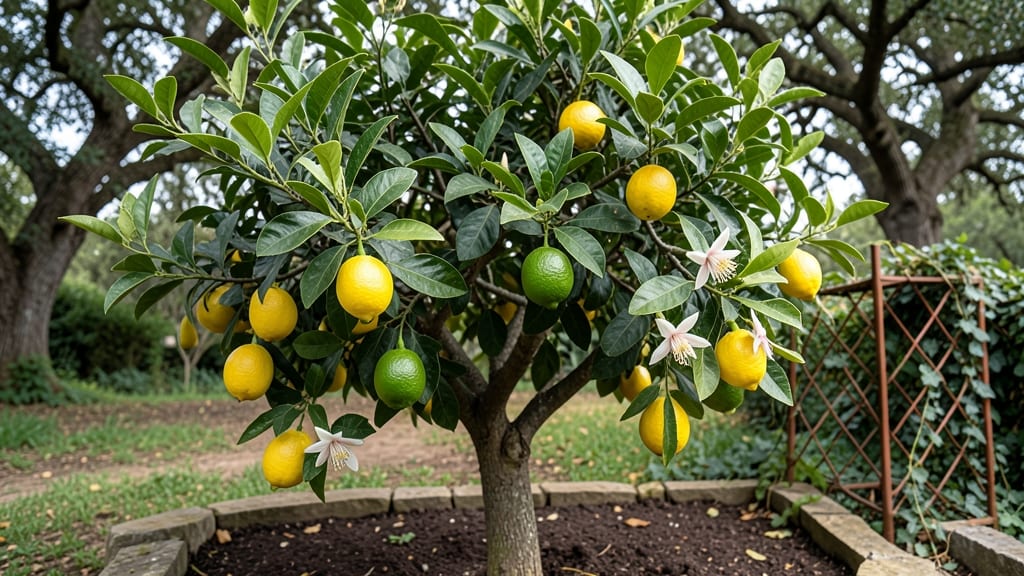
Lemon tree agriculture in the Pacific Northwest isn’t just possible—it’s transformative. 🌱 I’ve watched my Meyer lemon tree survive winters with temperatures dipping into the 20s, producing fruit year after year, and I’m sharing the pruning secrets that make it happen.
The key lies in strategic cuts that balance airflow, sunlight, and hardiness. You’ll learn when to prune (twice a year), how to shape the tree for resilience, and which branches to remove to prevent frost damage.
It’s not about aggressive trimming—it’s about guiding growth so the tree thrives despite our chilly climate.
By summer, you’ll have a tree that’s not just alive but bursting with fruit, its glossy leaves catching the light and its branches heavy with lemons. The scent alone—bright, zesty, and impossible to ignore—will make every winter pruning session worth it.
This method works for backyard growers and small farms alike, adapting to containers or in-ground plantings. Let’s get your lemon tree ready for the Pacific Northwest’s toughest seasons—and the sweetest rewards.
📚 In This Guide
- What you need
- Instructions
- Tips and common mistakes
- Wrapping up and next steps
What you need
- ● Citrus tree variety: 1–3 frost-hardy lemon trees (e.g., Meyer lemon or Ponderosa lemon)
- ● Container-grown (5–15 gallon pots) or bare-root saplings (1–3 years old)
- ● Pruning tools: 1 pair bypass pruners (sharp, 6–8" blades)
- ● 1 pruning saw (for thicker branches, 8–10" curved blade)
- ● 1 sterilizing solution (70% isopropyl alcohol or bleach)
- ● Protective gear: 1 pair gloves (cut-resistant, nitrile-coated)
- ● 1 safety goggles (for debris protection)
- ● Growing medium: Well-draining citrus potting mix (5–10 bags, 2–4 cu. ft. each)
- ● Perlite or pumice (1–2 bags, for aeration)
- ● Frost protection: 1–2 frost cloths (30–50% shade, 6x8 ft. minimum)
- ● 1 space heater (propane, 10,000+ BTU for severe cold)
- ● 1 roll bubble wrap or insulation wrap (for trunks)
- ● 1 humidity tray (with pebbles and water for indoor trees)
- ● 1 soil moisture meter (to avoid over/under-watering)
- ● 1 tree support stake (for young or top-heavy trees)
- ● 1 citrus fertilizer (balanced NPK, 10-10-10 or 8-3-9)
- ● 1 pH test kit (ideal range: 6.0–7.0 for citrus)
Step-by-Step guide for Pacific Northwest frost-resilient lemon tree pruning
Here's how to protect your citrus investment through winter's harshest months.
✂️ Step 1: Assess and Mark Structural Weaknesses
Begin in late fall when leaves have dropped but before hard frosts arrive. Examine the tree for dead, diseased, or crossing branches—these are the first to fail under ice weight. I like to use a permanent marker to circle areas needing removal, which prevents accidental cuts during the actual pruning.
Focus on branches growing inward or rubbing against others. These create entry points for fungal infections and weaken the tree's overall structure. You'll notice these as thin, often twisted branches with rough bark where they intersect other limbs. Remove these first—they're the weakest links in your tree's winter defense system.
🌿 Step 2: Perform Winter Pruning in Stages
Never remove more than 25% of the tree's canopy at once. In the Pacific Northwest, I recommend splitting pruning into two sessions: the first in November to remove deadwood, and the second in late winter (February) for structural shaping. Use sharp, clean pruning shears to make cuts just above outward-facing buds at a 45-degree angle.
Here's the thing—lemon trees are sensitive to cold drafts. When pruning, avoid creating large open areas on the north side of the tree where cold air collects. You'll see this as a "window" effect where branches were removed too aggressively. Instead, maintain a gradual taper from top to bottom to preserve the tree's natural windbreak.
☀️ Step 3: Protect the Canopy with Frost Blankets
After pruning, cover the tree with a breathable frost blanket when nighttime temperatures drop below 28°F. Secure the blanket loosely at the base and top—too tight, and you'll trap moisture that encourages rot. I use wooden stakes to create a tent shape that allows some airflow while protecting the delicate new growth.
Pay special attention to the tree's lower branches. These are most vulnerable to frost damage because cold air sinks. You'll see frost damage first on these lower limbs—brown, crispy leaves that won't revive even with warm weather. By protecting these areas first, you're safeguarding the tree's ability to rebound in spring.
🪴 Step 4: Apply Mulch and Water Strategically
Spread 3-4 inches of organic mulch around the tree's base, extending it out to the drip line. This creates an insulating layer that moderates soil temperatures. Avoid piling mulch against the trunk—keep it 2-3 inches away to prevent rot. Water the tree deeply before applying mulch to help it retain moisture through winter.
In the Pacific Northwest's wet winters, overwatering is almost as damaging as underwatering. Lemon trees in containers need slightly more frequent watering than in-ground trees—check the soil every 2-3 weeks and water only when the top 2 inches feel dry. You'll know you've got it right when the mulch stays slightly damp but not soggy.
Tips & tricks for Pacific Northwest lemon tree pruning
Real talk: I've seen lemon trees in the PNW struggle after just one winter—until I learned these key tricks to keep them thriving. These details make all the difference between a tree that barely survives and one that comes back stronger every spring.
Branch Selection Strategy: When assessing branches in Step 1, look for the "three Ds"—dead, diseased, and damaged. I've learned the hard way that crossing branches aren't just an eyesore; they create perfect conditions for fungal infections. Use a small flashlight to inspect branch junctions in low light—you'll spot hidden cracks or cankers that need removal before they spread. The goal is to create an open, airy structure that allows sunlight to penetrate all the way to the center.
Pruning Timing Precision: The November pruning session in Step 2 is about removing deadwood and damaged branches only—don't shape the tree yet. I've seen gardeners over-prune in fall, which stimulates new growth that gets nipped by early frosts. Save structural shaping for February when the tree is already dormant and won't be stressed by new growth. This two-stage approach mimics how professional arborists work with citrus in cold climates.
Frost Blanket Technique: At the 28°F threshold in Step 3, don't just throw a blanket over your tree. Create a tent shape using wooden stakes to elevate the blanket slightly above the ground—this prevents moisture buildup at the base. I've found that leaving a small gap at the top allows some air circulation while still protecting the canopy. For container trees, you might need to remove the pot and wrap both plant and container in the frost blanket for complete protection.
Mulch Application Insight: The 3-4 inches of organic mulch in Step 4 should be fluffy, not compacted. I use straw or wood chips because they break down slowly and provide long-term insulation. Spread it in a volcano shape—thicker at the base and tapering toward the trunk. This creates a thermal barrier that keeps roots warmer than the surrounding soil. And here's the thing: if you see ants or other insects in your mulch, that's actually a good sign—they're aerating the soil naturally.
Pro Tips for Lemon Tree Agriculture
- Real talk: I've seen lemon trees in the PNW struggle after just one winter—until I learned these key tricks to keep them thriving.
- Branch Selection Strategy: When assessing branches in Step 1, look for the "three Ds"—dead, diseased, and damaged.
- Pruning Timing Precision: The November pruning session in Step 2 is about removing deadwood and damaged branches only—don't shape the tree yet.
Frequently asked questions
Got questions about growing frost-resistant lemon trees in the Pacific Northwest? You’re not alone! Here are answers to the most common queries to help you cultivate thriving citrus—even in cooler climates.
How cold can lemon trees tolerate in the PNW?
Most lemon trees (like Citrus × limon) struggle below 20°F (-6°C), but with proper care—like mulching, windbreaks, and winter pruning—they can survive 15–18°F (-9 to -7°C) in sheltered microclimates. Dwarf varieties (e.g., Meyer lemon) are hardier and better suited for PNW gardens.
When should I prune lemon trees for frost resilience?
Prune in late winter or early spring (February–March) to remove dead wood and shape the tree before new growth starts. Avoid heavy pruning in fall—it reduces winter hardiness. Focus on open-center shaping to improve air circulation and sunlight exposure, which helps prevent frost damage.
Can I grow lemons indoors in the PNW, or do I need an outdoor tree?
Indoor lemon trees (potted) are possible but yield fewer fruits and require 10+ hours of sunlight daily (use grow lights in winter). For consistent harvests, outdoor trees in protected microclimates (e.g., south-facing walls, greenhouses) perform better. Dwarf varieties thrive in containers outdoors during summer.
What pests should I watch for in PNW lemon trees?
Common PNW pests include:
- Scale insects (sticky residue on leaves)
- Aphids (curled leaves, honeydew)
- Spider mites (webbing on undersides)
- Citrus leaf miners (serpentine tunnels in leaves)
How do I protect my lemon tree from sudden frost?
Act fast with these steps:
- Cover the tree with frost cloth or a lightweight blanket (secure edges to prevent wind damage).
- Use row covers or burlap wraps around the trunk to insulate.
- Water the soil before frost hits (moist soil retains heat better).
- Avoid overhead watering during freezes—it can damage buds.
Wrapping up and next steps
Lemon tree agriculture in the Pacific Northwest thrives when you master frost-resilient pruning—balancing growth, health, and climate resilience. By following the right techniques, timing, and tools, you’ll protect your tree from winter chill while maximizing fruit yield and longevity. Your garden’s citrus future is brighter than ever!
Ready to put your new skills to work? Start today by inspecting your lemon tree’s branches and planning your first pruning session before the next frost hits. 🌱✂️