
Pruning
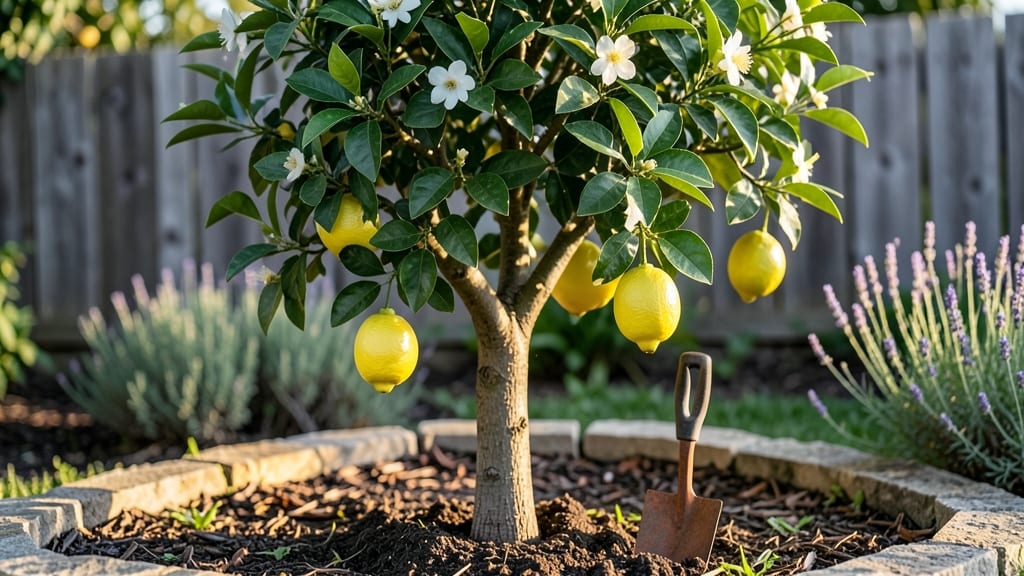
Growing a lemon tree in New Jersey might seem like a long shot with our harsh winters, but I’ve done it—and so can you. 🌱 The trick isn’t just about the tree itself, but how you prune it year-round to toughen up those branches for frost.
My first tree nearly died in its second winter, but after learning these pruning secrets, it’s now thriving in my backyard, producing lemons even in Zone 6.
Here’s the thing—NJ winters demand a different approach than you’d use in Florida or California. You’re not just shaping the tree; you’re training it to survive our cold snaps.
Start with a dwarf variety like ‘Meyer’ or ‘Improved Meyer,’ plant it in a sun-drenched spot with well-draining soil, and begin pruning in early spring to encourage strong, frost-resistant growth. By summer, you’ll be shaping it to maximize airflow and sunlight penetration, which keeps diseases at bay.
Come winter, your pruning shifts to protective shaping—cutting back any weak or overly long branches to prevent frost damage. With the right technique, you’ll end up with a tree that not only survives but actually produces fruit even after our coldest months.
The payoff? Fresh lemons for homemade lemonade, marmalade, or even gifts to neighbors who’ll be jealous of your green thumb.
This method works for both container-grown trees (great for patios) and in-ground plants. The key is consistency—prune lightly in spring, shape aggressively in summer, and protect strategically in winter.
Stick with me, and by next summer, you’ll be harvesting lemons that taste like they came from a Mediterranean grove, not a Jersey backyard.
📚 In This Guide
- What you need
- Instructions
- Tips and common mistakes
- Wrapping up and next steps
What you need
- ● Sharp bypass pruners – 2 pairs (one for small branches, one for thicker limbs up to ½ inch in diameter). Sterilize with rubbing alcohol before and after use!
- ● Pruning saw – 1 (for branches thicker than ½ inch). Look for a bow saw or folding pruning saw with a fine-toothed blade to avoid tearing wood.
- ● Garden gloves – 1 pair (nitrile-coated for grip and protection from thorns).
- ● Disposable pruning bags – 1-2 (to collect debris and prevent disease spread).
- ● Rubbing alcohol (70% or higher) – Small bottle (for sterilizing tools).
- ○ Pruning sealant – Optional but recommended (like Tanglefoot Tree Wound Pruning Sealer for large cuts).
- ● Ladder or step stool – 1 (extendable or sturdy enough for your tree’s height). Safety first! Use a non-slip ladder and have someone spot you if needed.
- ● Work boots or closed-toe shoes – 1 pair (to protect your feet from dropped branches).
- ● Safety glasses – 1 pair (to shield eyes from debris).
- ● Long-sleeve shirt and pants – 1 set (to protect from thorns and sun exposure).
- ● Frost cloth or burlap – 1-2 rolls (for wrapping newly pruned branches if frost is forecasted in late fall/winter).
- ● Mulch (straw or wood chips) – 2-3 bags (to insulate roots during NJ winters).
- ○ Thermometer (optional) – 1 (to monitor overnight temps for frost-prone areas).
Step-by-Step guide to pruning your lemon tree in new Jersey
Here's how to keep your citrus thriving through NJ's cold snaps and hot summers.
🌿 Step 1: Assess and Prepare for the Season
Start by examining your lemon tree for any dead, diseased, or crossing branches. In NJ, where winters can drop below freezing, you'll want to focus on removing anything that might harbor pests or rot. I always prune in early spring—right after the last frost but before new growth starts—so the tree can heal before summer heat arrives.
Grab your sharp pruning shears and disinfect them with rubbing alcohol. This prevents spreading any fungal spores or bacteria between cuts. Look for branches that are gray, brittle, or oozing sap—these are clear signs they're no longer viable. Also, remove any suckers growing from the base or trunk, as these sap energy away from fruit production.
✂️ Step 2: Shape for Airflow and Sun Penetration
Lemon trees need 6-8 hours of sunlight daily, but NJ's humidity means proper airflow is critical to prevent fungal diseases. Start by thinning out the canopy to let light reach the inner branches. I aim for a vase-like shape—wider at the top and narrower at the base—so water can roll off easily during summer storms.
Make your cuts just above a leaf node or outward-facing bud. This encourages new growth in the right direction. Avoid cutting back to stubs—always leave a small bump. If you're pruning for frost resistance, focus on reducing the tree's overall size by 20-30% in early spring. This helps the tree recover faster and reduces winter damage.
💧 Step 3: Summer Maintenance and Frost Prep
During the growing season, do light pruning to remove any suckers, dead leaves, or overcrowded branches. In late summer, about 6-8 weeks before the first frost, give your tree a final trim to prepare for winter. Remove any weak, spindly growth that won't survive cold snaps. I also like to cut back any branches that grew too vigorously in spring—they're more prone to frost damage.
After pruning, water deeply to help the tree recover. In NJ, where soil can dry out quickly, mulch around the base with 2-3 inches of organic mulch (like shredded bark) to insulate roots. Avoid piling mulch against the trunk—keep it 3-4 inches away to prevent rot. This layer helps regulate soil temperature and retains moisture for when frosts arrive.
⏰ Step 4: Winter Protection for NJ's Freezes
If a hard freeze (25°F or below) is forecasted, take extra steps to protect your tree. Wrap the trunk and larger branches with burlap or frost cloth, securing it loosely so air can circulate. Avoid plastic—it traps moisture and can cause more damage. For container-grown lemon trees, move them to a sheltered spot like a garage or under an eave, but bring them back outside during the day if temperatures rise above 40°F.
Prune out any frost-damaged branches in early spring—you'll know they're dead if they're black, mushy, or fail to bleed sap when cut. Never force a tree to keep damaged wood; it weakens the entire plant. After the last frost, fertilize lightly with a balanced citrus fertilizer to encourage new growth. Your tree will reward you with stronger branches and better fruit production next season.
Tips & tricks for perfect lemon tree pruning in NJ
These practical insights will help you keep your lemon tree thriving through New Jersey's challenging seasons.
Timing Secret: The early spring timing in Step 1 is crucial—aim for right after the last frost when temperatures consistently stay above 40°F at night. I check my local NJ weather forecast for the first night above 35°F as a safe indicator. Pruning too early risks exposing tender new growth to late frosts, while waiting too long means the tree uses energy for leaves instead of fruit production.
Cutting Technique: When shaping in Step 2, I always make my cuts at a 45-degree angle just above an outward-facing bud. This prevents water from pooling on the cut and encourages new growth in the right direction. For thicker branches, I use a three-cut method: make the first cut about a third of the way through, then a second cut on the opposite side, and finally twist to complete the cut. This reduces tearing of the bark.
Seasonal Adjustments: NJ's humidity means summer pruning in Step 3 requires extra attention. After removing suckers or crowded branches, I always spray the cuts with a 1:9 ratio of rubbing alcohol to water to prevent fungal infections. This is especially important in late summer when the air is thick with moisture. The 6-8 week window before frost gives you plenty of time to make these adjustments without stressing the tree.
Winter Protection: For the 25°F freeze threshold mentioned in Step 4, I've found that wrapping the trunk with burlap and adding a layer of straw around the base creates an insulating barrier. The straw helps protect the roots from extreme temperature swings, while the burlap allows airflow to prevent moisture buildup. I always secure the wrap loosely—too tight can actually damage the bark.
Pro Tips for Lemon Tree Nj
- These practical insights will help you keep your lemon tree thriving through New Jersey's challenging seasons.
- Timing Secret: The early spring timing in Step 1 is crucial—aim for right after the last frost when temperatures consistently stay above 40°F at night.
- Cutting Technique: When shaping in Step 2, I always make my cuts at a 45-degree angle just above an outward-facing bud.
Frequently asked questions
Got questions about growing and pruning lemon trees in New Jersey’s climate? Here are some answers to help you cultivate a thriving, frost-resistant citrus tree!
Can lemon trees survive NJ winters without special protection?
While lemon trees (Citrus × limon) aren’t native to NJ’s cold winters, frost-resistant varieties like 'Meyer' or 'Improved Meyer' can survive mild winters (down to 15–20°F) with proper care. For harsher freezes (below 10°F), move potted trees indoors or use frost cloths. Evergreen varieties often fare better than standard lemons.
When is the best time to prune a lemon tree in NJ?
Prune your lemon tree late winter or early spring (February–March) before new growth starts. This timing avoids frost damage and promotes healthy blooms. Light pruning can also be done after harvest (fall) to shape the tree, but avoid heavy cuts then—it stresses the plant before winter.
How do I prune a lemon tree to make it frost-hardier?
Focus on open-center pruning to improve airflow and sunlight penetration, reducing frost pockets. Remove dead, diseased, or crossing branches first, then thin out 20–30% of the canopy. Shorten branches near the trunk to encourage a bushier, more resilient shape. Avoid over-pruning—lemon trees recover slowly.
What’s the easiest alternative to a lemon tree for NJ gardeners?
If lemons prove too finicky, try hardy citrus hybrids like 'Calamondin' (tolerates 20°F) or 'Kumquat' (survives 15°F). For non-citrus options, loquat trees or berry-producing shrubs (e.g., aronia) thrive in NJ’s climate with minimal winter care.
My lemon tree’s leaves turned brown after a freeze—is it dead?
Don’t panic! Brown leaves often mean dormancy, not death—lemon trees can regrow from the roots if the wood is still green beneath the bark. Prune back only the dead wood (black, brittle stems) and watch for new shoots in spring. If the trunk is cracked or oozing sap, the tree may be beyond saving.
Pro Tip:
Mulch the base of your lemon tree with 3–4 inches of organic mulch (like straw or wood chips) in fall to insulate roots and retain moisture. Pair this with winter watering (deep but infrequent) to keep the soil from freezing—this boosts survival rates in NJ’s unpredictable climate!
Wrapping up and next steps
Growing a lemon tree in NJ is totally doable—even with our chilly winters! With the right year-round pruning techniques and frost-resistant care, your citrus tree can thrive and reward you with juicy lemons for seasons to come. 🍋❄️
Ready to take the next step? Start by observing your tree’s growth and adjusting your pruning schedule based on its needs. Whether you’re a beginner or a seasoned gardener, consistent care will keep your lemon tree healthy and productive. Happy pruning—and here’s to your homegrown lemons! 🌱