
Pruning
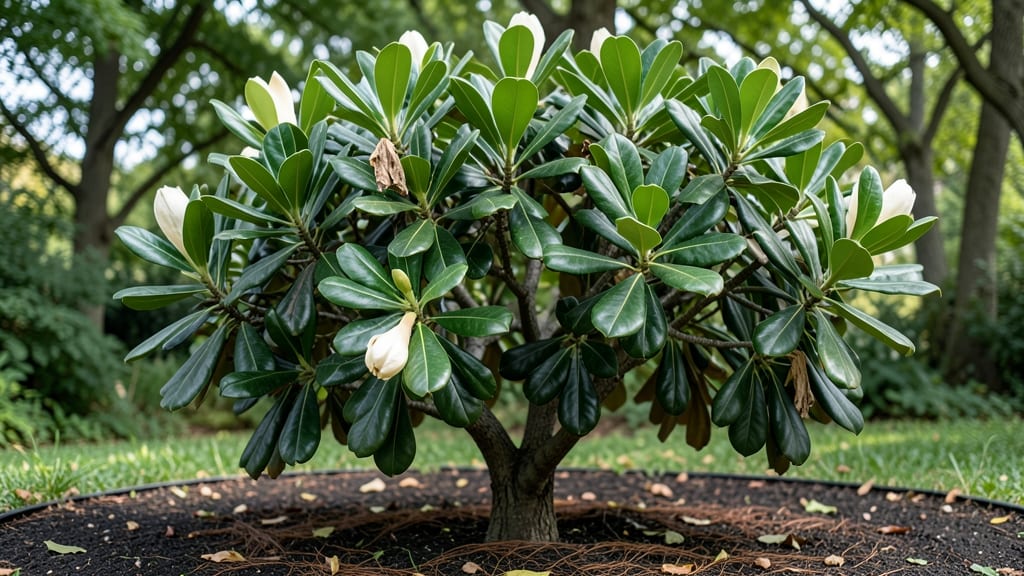
Summer pruning magnolia trees transforms them from sleepy giants into lush, blooming showstoppers. ✨ I’ve watched my own magnolia go from a sad, bare silhouette to a fragrant, leafy powerhouse—all by making a few key cuts at the right time.
The secret isn’t aggressive trimming but strategic shaping that encourages new growth while preserving the tree’s natural beauty.
Most gardeners hesitate to prune magnolias in summer because they fear losing next year’s blooms—but timing is everything. Focus on removing dead branches, thinning crowded spots, and shaping the canopy after flowering.
A sharp pair of pruners and a clean cut are all you need, along with a little patience to watch the tree respond with fresh, vibrant foliage by late summer.
What you’ll end up with is a magnolia that blooms more prolifically, grows stronger, and resists pests better. The glossy leaves stay disease-resistant, and the tree’s structure becomes balanced, so it handles storms and heat waves like a champ.
Think of it as a summer spa day for your tree—less stress, more beauty.
This method works for both southern magnolias and star magnolias, though star varieties bloom earlier and need slightly gentler pruning. Whether you’re dealing with a mature giant or a young sapling, the principles stay the same—just adjust the scale. Let’s get those branches looking intentional!
📚 In This Guide
- What you need
- Instructions
- Tips and common mistakes
- Wrapping up and next steps
What you need
- ● Bypass Pruners: Sharp, high-quality pruners (e.g., Felco or Fiskars) for clean cuts on small-to-medium branches.
- ● Loppers: 1 pair (16–24” handle) for thicker branches (½”–1.5” diameter).
- ● Pruning Saw: 1 lightweight saw (e.g., Corona or Bahco) for branches over 1.5” thick.
- ● Gloves: Heavy-duty, cut-resistant gloves (e.g., Mechanix or Wolverine) to protect hands.
- ● Disinfectant: 70% isopropyl alcohol or a pruning sealant (e.g., Tanglefoot) to prevent disease spread.
- ● Rubbing Alcohol Wipes: 1 pack (for sterilizing tools between cuts).
- ● Ladder or Step Stool: Sturdy, extendable ladder (if tree is >6 ft tall) or a foldable step stool for safety.
- ● Trash Bags: 2–3 heavy-duty bags (13–20 gallons) for debris.
- ○ Pruning Shears (Optional):strong> For delicate trimming of small branches or dead blooms.
- ● Safety Glasses: 1 pair to shield eyes from debris.
- ● Long Sleeves/Pants: Wear protective clothing to avoid scratches or thorns.
- ○ Work Apron (Optional):strong> With pockets for tools and wipes.
- ● Water & Snacks: Stay hydrated—summer pruning can be a workout!
How to prune magnolias in summer for lush, year-round blooms
Summer’s the perfect time to shape magnolias—just don’t overdo it.
🌿 Step 1: Identify Dead or Damaged Branches First
Start by scanning your magnolia for branches that are dry, cracked, or showing brown bark. These are your priority—pruning them now prevents disease from spreading through the tree. Use sharp pruners to make clean cuts just outside the branch collar, where the branch meets the trunk. This ensures the wound heals faster and reduces the risk of infection.
I always prune these first because they’re the easiest to spot and remove. If a branch is larger than 4 inches in diameter, use a handsaw instead of pruners to avoid tearing the bark. Look for branches that look hollow inside or have peeling bark—these are dead and need immediate removal.
✂️ Step 2: Thin the Canopy for Better Airflow and Light
Magnolias bloom best when their centers receive filtered sunlight. Selectively remove branches that are crossing, rubbing, or growing inward—these compete for resources and can weaken the tree. Aim to open up the canopy by 20-30% to improve airflow, which reduces humidity-related diseases like powdery mildew.
I focus on branches that are thinner than a pencil first—these are easier to remove and won’t disrupt the tree’s structure. If you’re unsure, wait until the branch is fully leafed out to see how it affects the overall shape. Never remove more than 25% of the foliage in one session, or you’ll shock the tree.
☀️ Step 3: Shape for Balance and Future Bloom Sites
Magnolias naturally grow in a vase-like shape, but summer pruning can help maintain that silhouette. Look for branches that are too long or leggy—these often produce fewer blooms. Cut back by one-third of their length to encourage bushier growth and more flowering sites. Always prune just above a bud or leaf node to stimulate new growth in the right direction.
Here’s the thing—magnolias bloom on old wood, so avoid heavy pruning near last year’s flower buds. If you’re unsure where the buds are, wait until after the tree finishes blooming in spring to prune those areas. For summer shaping, focus on branches that are growing outward rather than inward or downward.
💧 Step 4: Clean Up and Protect the Tree
After pruning, remove all debris from the ground and sterilize your tools with rubbing alcohol or a 10% bleach solution to prevent spreading disease. Magnolias are sensitive to overwatering after pruning, so water deeply only if the top 2 inches of soil are dry. This encourages root growth without stressing the tree.
I also apply a light layer of mulch around the base (but not touching the trunk) to retain moisture and regulate soil temperature. This step is especially important in hot summers, as magnolias are shallow-rooted. Avoid fertilizing immediately after pruning—wait until 6 weeks later to give the tree time to recover.
Tips & tricks for perfect summer magnolia pruning
Summer pruning transforms your magnolia into a blooming powerhouse—here’s how to avoid common pitfalls while maximizing results.
Tool Selection Matters: Never use dull pruners—they crush branches instead of making clean cuts. I always test my tools by cutting a small twig first; if it tears rather than slices, sharpen them immediately. For branches over 4 inches thick, a handsaw with a fine-toothed blade prevents bark stripping, which can introduce disease. Keep a small brush handy to clean up sawdust from the wound area afterward.
Timing is Everything: The 20-30% canopy thinning target in Step 2 isn’t arbitrary—it’s the sweet spot for maintaining bloom production without stressing the tree. I recommend working on cooler summer mornings when temperatures are below 80°F to reduce stress on the plant. If you must prune in peak heat, water the tree deeply the night before to give it a moisture reserve.
Visual Cues for Healthy Cuts: When making cuts in Step 3, look for the branch collar—the swollen area where the branch meets the trunk. This is your guide for where to cut—never leave a stub. The cut should be at a slight angle (about 45 degrees) just outside the collar. If you’re unsure, trace the branch’s natural shape with your finger first; the cut should follow that curve for a more natural look.
Post-Pruning Care: The 6-week waiting period before fertilizing in Step 4 is crucial—it gives the tree time to seal wounds and redirect energy to healing. During this time, I monitor for signs of stress like yellowing leaves or wilting. If you notice these, increase watering slightly but never let the soil become soggy. A light application of compost around the drip line (not the trunk) can provide gentle nutrients without overwhelming the tree.
Pro Tips for Magnolia Tree In Summer
- Summer pruning transforms your magnolia into a blooming powerhouse—here’s how to avoid common pitfalls while maximizing results.
- Tool Selection Matters: Never use dull pruners—they crush branches instead of making clean cuts.
- Timing is Everything: The 20-30% canopy thinning target in Step 2 isn’t arbitrary—it’s the sweet spot for maintaining bloom production without stressing the tree.
Frequently asked questions
Got questions about keeping your magnolia tree thriving in summer?
Here are the most common ones—plus expert answers to keep those blooms coming!
When is the best time to prune a magnolia tree in summer?
Prune your magnolia right after flowering (late spring to early summer) to avoid cutting off next year’s blooms. Avoid heavy pruning in late summer—this can stress the tree and reduce winter hardiness. Light shaping is fine, but never prune more than 25% of the canopy at once.
Can I prune a magnolia tree in summer without hurting it?
Yes! Summer pruning is safe if done correctly. Focus on removing dead, diseased, or crossing branches first. Avoid cutting into old wood (last year’s growth)—magnolias bloom on new growth, so prune just above a bud or leaf node. Sterilize tools to prevent fungal infections.
Will pruning my magnolia in summer affect next year’s flowers?
If pruned properly, summer pruning won’t hurt next year’s blooms! The key is timing: Prune after flowering to let the tree set buds for spring. Heavy pruning too late in summer (August+) may delay or reduce flowering. For best results, stick to light maintenance unless reshaping is needed.
What should I do if my magnolia leaves turn yellow after summer pruning?
Yellowing leaves post-pruning often signal stress or fungal issues. Check for:
- Over-pruning – Reduce future cuts to <10% of the canopy.
- Fungal infections – Remove affected leaves and prune in dry weather.
- Nutrient deficiency – Fertilize with acid-loving plant food in early fall.
Are there alternatives to pruning if my magnolia isn’t blooming well?
If blooms are sparse, try these non-pruning fixes first:
Only prune if the tree is overgrown or diseased.
Wrapping up and next steps
Summer is the perfect time to give your magnolia tree the care it deserves—pruning now ensures vibrant blooms for seasons to come! 🌸 By following the right techniques, you’ll promote healthy growth, prevent disease, and keep your tree looking stunning.
Whether you’re a seasoned gardener or just starting, a little effort now will pay off in lush, year-round beauty.
Ready to transform your magnolia into a showstopper? Grab your tools, step outside, and get pruning today—your tree (and future blooms) will thank you! For extra confidence, revisit our FAQs or consult a local arborist before diving in.