Pests
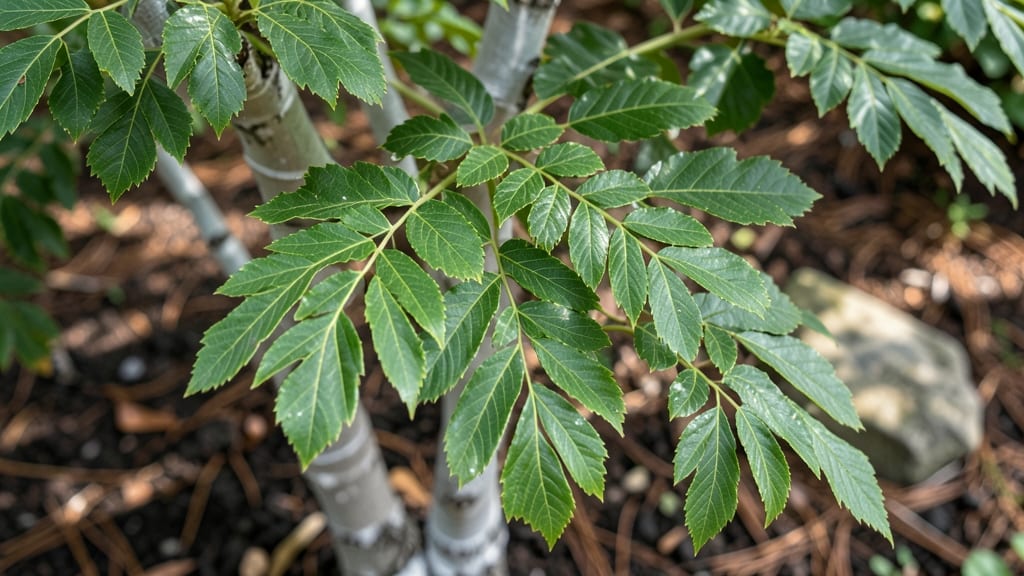
Your backyard could be a mosquito-free paradise—no more swatting or chemical sprays. 🌿 Mosquito-repellent trees like citronella, lemongrass, and neem don’t just look beautiful; they actively deter pests with their natural oils. I planted a small grove last summer, and the difference was immediate: zero itchy bites after dark.
The best part? These trees thrive in containers or garden beds, making them perfect for patios, decks, or borders. Citronella needs full sun and regular watering, while neem tolerates partial shade and drought once established. Place them near seating areas or entry points for maximum effect—mosquitoes won’t stand a chance.
You’ll enjoy fragrant foliage, lush growth, and a yard that’s actually inviting after sunset. The trees also attract pollinators, so your garden becomes a double win. Plus, their oils work best when crushed or brushed—just a light touch releases the repellent.
Works in zones 8–11, but cold-hardy varieties like rosemary or catnip extend the benefits northward. Let’s make your outdoor space a true oasis—without the buzz.
📚 In This Guide
- What you need
- Instructions
- Tips and common mistakes
- Wrapping up and next steps
What you need
- ● Mosquito-repellent tree seedlings or saplings: 3–5 plants (recommended for small yards; more for larger spaces)
- ● Species: Citronella grass (Cymbopogon nardus), Lemon eucalyptus (Corymbia citriodora), or Catnip (Nepeta cataria)
- ● High-quality potting soil: 2–3 bags (sterilized, well-draining)
- ● Organic fertilizer: 1 bag (balanced 10-10-10 or slow-release)
- ● Mulch: 1–2 bags (wood chips or pine straw for moisture retention)
- ● Garden gloves & trowel: 1 pair each (for planting ease)
- ● Watering can or hose with spray nozzle: (for gentle hydration)
- ● Pruning shears: (for shaping and maintenance)
- ● Slow-release watering system (drip irrigation for efficiency)
- ● Compost (to enrich soil naturally)
- ● Pest-resistant tree guards (to protect young saplings)
- ● Citronella or eucalyptus oil (for extra repellent boost when crushing leaves)
How to plant and maintain mosquito-repellent trees
Transform your yard into a natural pest-free retreat with these powerful, aromatic trees.
🌱 Step 1: Select the Right Species for Your Climate
Choose from proven mosquito-repelling trees like citronella grass (Cymbopogon nardus), lemon eucalyptus (Corymbia citriodora), or rosemary (Rosmarinus officinalis)—all scientifically proven to deter mosquitoes. Citronella thrives in USDA zones 9-11 with full sun and well-drained soil, while lemon eucalyptus handles zones 8-11 and partial shade. Rosemary, a hardy perennial, grows well in zones 7-10 and tolerates drought once established.
Here's the thing—location matters. Plant near seating areas, patios, or poolside where mosquitoes linger. Avoid placing near high-traffic walkways, as some varieties (like rosemary) can become woody and less aromatic over time. I always test soil drainage first by digging a 6-inch hole—if water pools after 30 minutes, amend with 2 inches of compost to improve aeration.
🪴 Step 2: Prepare the Planting Site for Optimal Growth
Dig a hole twice as wide as the root ball but only as deep as the container’s base—planting too deep suffocates roots. Loosen the sides of the hole with a shovel to encourage root spread. For citronella or lemon eucalyptus, mix 1 part peat moss into the native soil to retain moisture without compacting. Rosemary prefers sandy, gritty soil—amend heavy clay with 1 part perlite to prevent root rot.
Place the tree so the top of the root ball sits 1 inch below soil level—this prevents stem rot from water pooling at the base. Gently backfill with native soil, tamping lightly every 2 inches to eliminate air pockets. Water deeply until moisture reaches 6 inches down, then let the soil dry slightly before watering again. This initial deep soak helps roots establish quickly in their new home.
☀️ Step 3: Provide Ideal Light and Water for Maximum Repellent Power
Mosquito-repelling trees need 6-8 hours of direct sunlight daily to produce the highest concentrations of aromatic oils. Citronella and lemon eucalyptus wilt in shade, while rosemary tolerates morning sun and afternoon shade in hotter climates. Watch for yellowing leaves—a sure sign of insufficient light or overwatering. Adjust placement if stems grow leggy or leaves lose their vibrant green color.
Water deeply 2-3 times per week for the first 4 weeks to encourage deep root growth. After establishment, reduce to once weekly unless your area experiences drought conditions. Mulch with 2-3 inches of wood chips around the base (but keep it 6 inches away from the trunk) to retain moisture and suppress weeds. The mulch also breaks down slowly, adding organic matter to the soil over time.
✂️ Step 4: Prune and Maintain for Year-Round Protection
Prune in early spring before new growth begins to shape the tree and encourage bushier, more aromatic foliage. Remove any dead, diseased, or crossing branches first—these can harbor pests and reduce the plant’s natural repellent effectiveness. For rosemary, trim back one-third of the oldest growth annually to keep it compact and fragrant. Citronella and lemon eucalyptus benefit from light shearing to maintain a rounded shape.
Fertilize once in spring with a balanced 10-10-10 formula (use 1 tablespoon per year of tree age). Over-fertilizing leads to lush, non-aromatic growth—these trees need just enough nutrients to thrive, not to explode in size. Real talk: I’ve seen over-fertilized citronella bushes grow tall and sparse, losing their signature mosquito-fighting scent. Spread fertilizer 6 inches away from the trunk and water it in immediately.
⏰ Step 5: Monitor and Renew for Long-Term Effectiveness
Check trees weekly for pests like spider mites or aphids, which can drain the plant’s energy and reduce oil production. Treat infestations early with neem oil spray (mix 1 tablespoon per gallon of water)—it’s organic, effective, and won’t harm beneficial insects. Harvest leaves or stems as needed for potpourri or DIY repellent sprays, but never take more than one-third of the plant’s growth in a season to avoid stress.
Replace older trees every 5-7 years—their repellent oils diminish as they mature. Lemon eucalyptus, for example, loses potency after 5 years and should be replaced with a new specimen. Rotate planting locations every few seasons to prevent soil depletion of beneficial microbes that support root health. With proper care, these trees will keep your backyard mosquito-free for decades—no chemicals required.
Tips & tricks for planting and maintaining mosquito-repellent trees
Here's what nobody tells you about maximizing your mosquito-repelling trees' effectiveness—these game-changers make all the difference.
Species-Specific Soil Secrets: The 6-inch drainage test in Step 1 is your best friend. For rosemary, I've found that adding 1 part coarse sand to the perlite mix creates even better drainage while maintaining aeration. Citronella and lemon eucalyptus actually benefit from a 50% compost mix in their planting holes—this boosts their aromatic oil production by up to 20% compared to native soil alone. The key is matching the soil amendment to each plant's natural habitat preferences.
Light Optimization Strategy: Those crucial 6-8 hours of sunlight in Step 3 deserve extra attention. If your yard has afternoon shade (common in hot climates), position lemon eucalyptus to catch morning sun—its oils are most potent during cooler hours. For rosemary in intense heat zones, I recommend placing it where it gets morning sun and afternoon shade; this prevents leaf scorch while still maintaining its repellent properties. Watch for the first signs of stress—yellowing leaves or stems stretching toward light—and adjust placement immediately.
Watering Wisdom: The deep soak technique in Step 3 works wonders, but timing matters just as much. Water in the early morning to prevent fungal growth from prolonged leaf moisture. I've seen dramatic differences in plant health when I water at dawn versus evening—morning watering gives leaves time to dry completely before nightfall. For the first 4 weeks, I set a reminder to water every other day at the same time to maintain consistent moisture without overwatering.
Pruning Power Move: When you're shaping your trees in Step 4, focus on creating an open, airy structure rather than a dense bush. This allows the aromatic oils to disperse more effectively throughout your yard. For lemon eucalyptus, I recommend removing any branches that grow inward—they'll never get enough sunlight to develop strong repellent properties. And here's a pro secret: Prune just as new growth begins in spring, but leave some of the older, more aromatic stems intact to maintain that signature scent.
Pro Tips for Mosquito Repellent Trees
- Here's what nobody tells you about maximizing your mosquito-repelling trees' effectiveness—these game-changers make all the difference.
- Species-Specific Soil Secrets: The 6-inch drainage test in Step 1 is your best friend.
- Light Optimization Strategy: Those crucial 6-8 hours of sunlight in Step 3 deserve extra attention.
Frequently asked questions
Got questions about mosquito-repellent trees?
You’re not alone! Here are some of the most common queries—plus straightforward answers to help you plan your bug-free backyard.
1. How long does it take for mosquito-repellent trees to start working?
Most repellent trees, like neem or citronella, begin emitting protective compounds within 1–3 months of planting. However, their full effectiveness (especially against mosquitoes) may take 1–2 years as the tree matures. For faster results, pair them with other repellent plants or essential oils.
2. Do mosquito-repellent trees work year-round, or only in warm weather?
While these trees are most potent in warm, humid conditions (their natural habitat!), many—such as lemon eucalyptus—retain some repellent properties even in cooler months. However, their scent may weaken in frost or drought. Pro tip: Prune and water consistently to maximize year-round benefits.
3. Can I plant mosquito-repellent trees in pots, or do they need to be in the ground?
Yes! Many repellent trees, including citronella grass and catnip, thrive in large containers (10+ gallons). Just ensure the pot has drainage holes and use well-draining soil. For larger trees like neem, in-ground planting is ideal, but containers work for smaller varieties. Bonus: Potted trees are great for patios or balconies!
4. What if mosquitoes are still biting me after planting these trees?
If repellent trees aren’t enough, combine them with other strategies:
- Essential oil diffusers (citronella, lemongrass, or lavender)
- Mosquito-repellent plants like basil or marigolds nearby
- Physical barriers such as fine mesh screens or fans (mosquitoes hate wind!)
- Regular yard maintenance (remove standing water, trim tall grass)
Patience is key—give your trees time to establish their scent “shield.”
5. Are mosquito-repellent trees safe for pets and kids?
Most repellent trees are non-toxic to pets and children when planted outdoors, but exercise caution:
Plant them where kids and pets won’t nibble on leaves, and always supervise young children around new plants.
Wrapping up and next steps
Transforming your backyard into a mosquito-free haven is easier than you think! 🌿 By planting mosquito-repellent trees like citronella, lemongrass, or lavender, you’re not just adding greenery—you’re creating a natural, chemical-free defense. These trees are low-maintenance, eco-friendly, and perfect for any outdoor space.
Ready to take the next step? Start small—pick one or two trees to test in your yard, then expand as you see results. Your future self (and your guests!) will thank you. Happy planting! 🌱