
Propagation
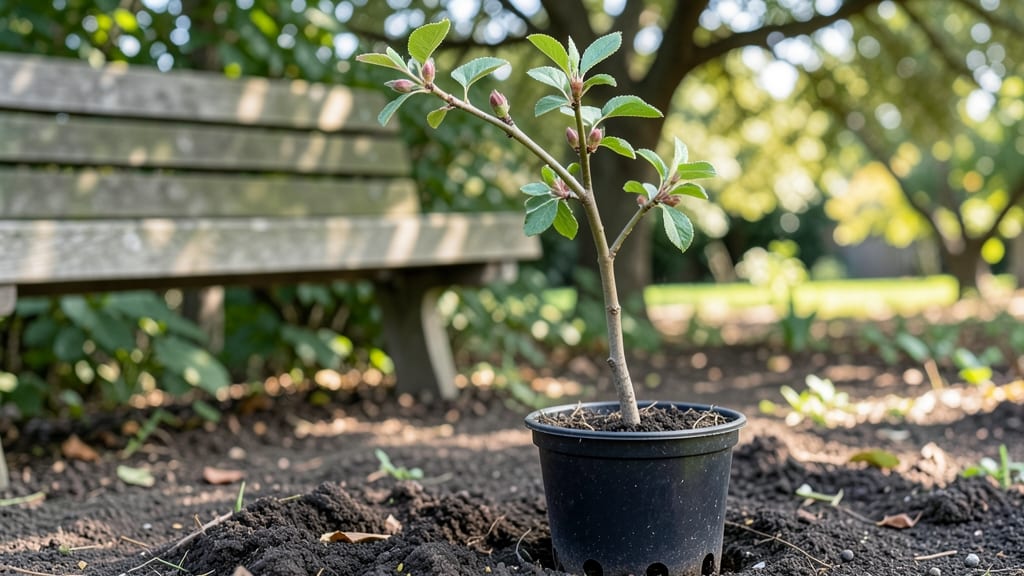
Growing a nectarine tree from seed is a five-year adventure that starts with a single pit and ends with your own homegrown fruit. 🌱 The process isn’t about instant rewards—it’s about watching a seedling transform into a tree that might just bear fruit, even if it won’t match store-bought varieties.
I’ve tried this twice, and both times, the thrill of seeing a tiny sprout push through soil made the wait worthwhile.
First, you’ll need a fresh nectarine pit, a bit of patience, and a few simple supplies: a damp paper towel, a plastic bag, and a sunny spot. The real magic happens during stratification—mimicking winter’s cold to break the seed’s dormancy.
Once sprouted, the seedling grows slowly at first, but with consistent care, it’ll develop into a sturdy young tree within a year. The biggest challenge? Waiting for fruit—if it ever comes—could take five years or more.
What you’ll end up with is a tree that’s uniquely yours, with its own quirks and potential. The fruit might be smaller, sweeter, or even tart—no guarantees—but the journey of nurturing it from seed to sapling is rewarding.
Even if it never bears fruit, the experience teaches patience, and that’s a harvest of its own. Ready to start?
This method works best in USDA zones 5-9, where nectarines thrive. If you’re in a colder climate, consider overwintering young trees indoors. The key is consistency: watering when the soil dries, protecting from pests, and giving it space to grow.
Your first fruit might not be perfect, but the process is what matters.
📚 In This Guide
- What you need
- Instructions
- Tips and common mistakes
- Wrapping up and next steps
What you need
- ● Nectarine seeds: 3–5 fresh, pitted seeds (from ripe, organic nectarines—avoid store-bought seeds treated to prevent germination). Pro tip: 💡 Store seeds in a paper towel in the fridge for 2–4 weeks to break dormancy before planting!
- ● Potting mix: 1–2 gallons of well-draining, sterile seed-starting mix (or a blend of 50% peat moss + 50% perlite/vermiculite). Skip garden soil—it’s too dense!
- ○ Small pots or trays: 4–6 biodegradable peat pots (2–3 inches deep) or plastic containers with drainage holes. Optional: Use a seed tray with individual cells for easier organization.
- ● Plastic wrap or humidity dome: A clear plastic bag or cloche to create a mini greenhouse effect.
- ● Spray bottle: For gentle watering (avoid soaking the soil!).
- ● Grow lights or sunny windowsill: A south-facing window (6+ hours of light/day) or a LED grow light (12–16 hours/day) for seedlings.
- ● Fertilizer: A balanced liquid fertilizer (5-5-5 or 10-10-10) diluted to half-strength for young seedlings.
- ● Pruning shears: Small, sharp scissors for trimming seedlings (sterilize with rubbing alcohol!).
- ● Heat mat: Keeps soil warm (70–80°F) to speed up germination.
- ● pH test kit: Ensures soil pH is slightly acidic (6.0–6.5)—ideal for nectarine seeds.
- ● Mycorrhizal fungi: A powder to boost root health when transplanting.
- ● Tree tags: Label pots with seed source and date for tracking.
- ● Outdoor space: A sunny, sheltered spot in your yard (Zone 5–9) for mature trees—nectarines need full sun (6+ hours/day) and well-draining soil.
Step-by-step guide for growing a nectarine tree from seed
Here’s how I’ve turned store-bought nectarines into thriving young trees—with patience as your best tool.
🌱 Step 1: Extract and Prepare the Seed
Start with a fresh, organic nectarine—no bruises or soft spots. Cut the fruit in half, twist the pit free, and rinse it clean. The key is removing the hard outer shell without damaging the seed inside. I use a small hammer and chisel to gently crack it open, then peel away the pit’s brown shell to expose the seed. Handle it carefully—the seed’s outer coating is tough, and rough treatment can delay germination.
Place the seed between two paper towels, dampen them until just moist (not dripping), and fold the towels around it. Store the wrapped seed in a sealed plastic bag and refrigerate for 4-6 weeks. This mimics winter’s cold period, breaking dormancy. Check weekly—if the towels dry out, mist them lightly. You’ll know it’s ready when the seed starts to soften and the outer layer feels less resistant to gentle pressure.
💧 Step 2: Plant the Stratified Seed
Fill a small pot (at least 4 inches deep) with sterile seed-starting mix. Press the mix down lightly so it’s firm but not compacted. Make a ½-inch deep hole in the center and place your stratified seed inside, covering it with the mix. Water gently until the soil feels evenly moist—no puddles, just dampness throughout.
Cover the pot with a clear plastic dome or wrap it in plastic wrap to retain warmth and humidity. Place it in a warm spot (70-75°F), like on top of a refrigerator or near a sunny window. Germination can take 3-12 weeks, so don’t rush it. Keep the soil moist but not soggy—stick your finger in to check. If the surface feels dry to the touch, water lightly. Once the seedling emerges, remove the cover immediately to prevent fungal growth.
☀️ Step 3: Nurture the Seedling Through Its First Year
When the seedling reaches 3-4 inches tall, transplant it into a slightly larger pot (6 inches deep) with fresh potting mix. Choose a spot with full sun (6+ hours daily)—a south-facing window or under grow lights. If outdoors, protect it from harsh winds and direct afternoon sun until it’s fully hardened off. Water when the top 1 inch of soil feels dry, but avoid soaking the pot. Overwatering is the fastest way to kill a young seedling.
Fertilize lightly in spring with a balanced, water-soluble fertilizer (like 10-10-10) diluted to half strength. Too much fertilizer burns tender roots. By the end of its first year, your seedling should be 12-18 inches tall with a sturdy stem. This is when you’ll start training it to grow into a tree—pinch back the top growth to encourage branching. Real talk: It won’t fruit for 4-5 years, but this is where the magic begins.
🌿 Step 4: Transition to Outdoor Growth (Year 2-3)
By its second spring, your nectarine seedling should be ready to move outdoors permanently. Choose a location with well-draining soil and full sun, sheltered from strong winds. Dig a hole twice as wide as the root ball but no deeper. Place the seedling in, backfill with soil, and water deeply to settle everything. Stake it if needed—young trees can be top-heavy.
Mulch around the base with 2-3 inches of organic mulch (like wood chips) to retain moisture and regulate soil temperature. Prune any dead or crossing branches in late winter, and fertilize again in early spring. Here’s the thing—nectarine trees grown from seed are not true to the parent fruit. Expect smaller, less flavorful fruit than store-bought varieties, but the reward is watching it grow from a tiny sprout to a tree that produces something edible. Patience pays off.
⏰ Step 5: Long-Term Care for Fruit Development (Years 4-5+)
Once your tree is 4-5 years old, it may finally produce flowers—and possibly fruit. Thin out crowded branches to improve airflow, which reduces disease risk. Nectarines are self-pollinating, but cross-pollination with other stone fruits (like peaches) can improve fruit set. If your tree flowers but no fruit forms, hand-pollinate with a small brush in the morning when flowers are open.
Fruit thinned early is sweeter and larger. When fruits are 1 inch in diameter, remove some to leave 6-8 inches between them. This ensures the remaining nectarines get enough nutrients and sunlight. Harvest when the fruit is fully colored and slightly soft to the touch—usually late summer. Don’t wait too long, or they’ll drop to the ground. The first harvest might be sparse, but each year, your tree will mature and produce more.
Tips & tricks for growing a nectarine tree from seed
Here's what I learned after watching my first seedling grow into a thriving tree—these details make all the difference.
Seed Handling: When cracking open that hard nectarine pit, take your time. I learned the hard way that aggressive chiseling can damage the seed inside. Use a small hammer and gently tap around the edges first, then carefully pry open. The seed's delicate outer coating is what protects it during germination—don't nick it! If you see any brown spots on the seed, rinse it thoroughly before stratification.
Stratification Success: The 4-6 week cold treatment is non-negotiable for breaking dormancy, but here's the thing—consistency matters. Place a small reminder on your fridge to check moisture weekly. If the paper towels dry out completely, germination can stall. I keep mine in a sealed bag with a tiny bit of extra moisture (just damp, not wet) and check every 7 days. You'll know it's ready when the seed feels noticeably softer and the outer shell separates easily from the seed.
Germination Environment: That 70-75°F warm spot is crucial, but don't assume your kitchen stays perfectly warm. I use a seedling heat mat under my pot during germination—it creates a stable environment without needing to monitor room temperature constantly. If using a sunny window, rotate the pot daily for even light exposure. And remember: once that first sprout appears, remove the plastic cover immediately to prevent mold. I've lost seedlings to fungal growth when they were left covered too long.
Transplanting Timing: The 3-4 inch height marker is your cue for the first transplant, but don't rush it. Wait until you see at least two sets of true leaves (the second set will look different from the initial seed leaves). When moving to the 6-inch pot, handle the seedling by its leaves, not the stem—you'll avoid damaging the delicate root system. This is also when you should start hardening off your seedling if moving outdoors: place it outside for increasing amounts of time each day, starting with just 30 minutes.
Pro Tips for Nectarine Tree From Seed
- Here's what I learned after watching my first seedling grow into a thriving tree—these details make all the difference.
- Seed Handling: When cracking open that hard nectarine pit, take your time.
- Stratification Success: The 4-6 week cold treatment is non-negotiable for breaking dormancy, but here's the thing—consistency matters.
Frequently asked questions
Got questions about growing a nectarine tree from seed? You’re not alone!
Here are the most common queries—plus straightforward answers—to help you navigate this rewarding (but patient) journey.
How long does it take for a nectarine seed to sprout?
A nectarine seed typically sprouts in 2–4 weeks after planting, provided it’s stratified properly (cold-moist treatment). If you’re impatient, don’t worry—some seeds take up to 6–8 weeks to crack open. Keep the soil moist and warm (70–80°F) for best results. Pro tip: If nothing happens after 8 weeks, the seed may not be viable—try another!
Will a nectarine grown from seed produce fruit?
Yes, but not for 5–7 years (or longer!). Seed-grown trees are not grafted, so fruit quality, size, and flavor may vary wildly from the parent tree. For consistent, high-quality nectarines, consider grafting later—but the seed-started tree is a fun experiment!
Do I need to stratify nectarine seeds before planting?
Absolutely!
Nectarine seeds have a hard outer shell, so they need stratification (cold, moist treatment) to break dormancy. Mix seeds with damp sand or peat moss, refrigerate for 4–8 weeks, then plant. Skip this step? Your seed may never sprout. Patience pays off here!
Can I grow a nectarine tree indoors?
Seedlings can start indoors (great for cold climates!), but transplant outdoors ASAP once true leaves appear. Nectarine trees need full sun (6+ hours/day) and outdoor conditions to thrive. If you’re in a short-season zone, start seeds indoors in late winter and move them out by spring.
Why did my nectarine seedling die?
Common culprits: overwatering (roots rot easily), lack of sunlight, or pests (like aphids). Keep soil moist but not soggy, use well-draining pots, and watch for yellowing leaves. If your seedling wilts suddenly, check for fungus—spray with neem oil if needed. Don’t give up! Many gardeners lose a few before success.
Can I grow a nectarine tree from store-bought fruit?
Yes! Just avoid hybrid or processed nectarines—they won’t sprout. Pick a fresh, organic nectarine, scoop out the pit, clean it, and stratify. Warning: Store-bought seeds may be treated to prevent sprouting, so success isn’t guaranteed. Try a few pits for better odds!
Wrapping up and next steps
Growing a nectarine tree from seed is a rewarding journey that blends patience, care, and a touch of magic. While it may take 5 years or more to see fruit, the process teaches you the art of nurturing life from the ground up.
Once your tree bears those sweet, juicy nectarines, every effort will feel worth it!
Ready to take the next step? Start by planting that seed—your future orchard awaits! 🌱🍑 For extra guidance, explore local gardening forums or connect with fellow seed-growers. Happy planting!