
Pruning
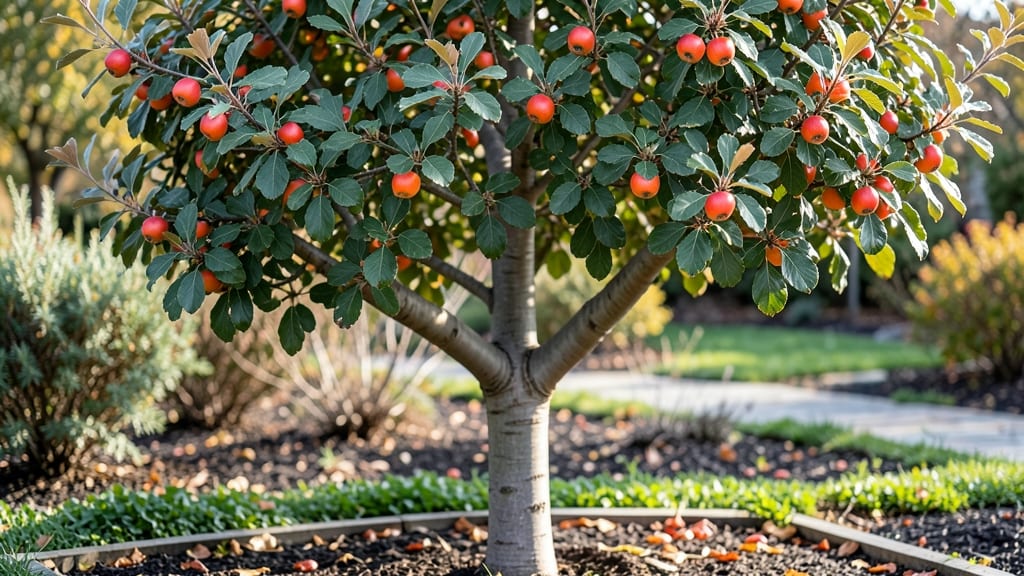
The Prairifire crabapple tree brings bold color and resilience to Pacific Northwest gardens, but its pros and cons demand careful consideration before planting. This frost-hardy beauty thrives in zones 3-8, where winter temperatures can drop below zero—yet it still delivers vibrant pink spring blooms and fiery red fall foliage.
The trade-off? Those striking flowers mean messy fruit drop, and its compact size (20-25 feet) limits placement options in smaller yards.
What makes it shine is its disease resistance—unlike many crabapples, Prairifire rarely succumbs to apple scab or cedar apple rust, making it a low-maintenance star. It also attracts pollinators year-round, with bright red berries that persist into winter (though they’re not edible).
The downside? Deer may browse young trees, and its shallow roots can compete with lawns if not mulched properly.
For the right gardener, this tree is a game-changer: drought-tolerant once established, it handles urban pollution better than many ornamentals. But if you hate cleanup or have limited space, alternatives like the ‘Sentinel’ crabapple (columnar form) might suit you better.
Prune in late winter to shape it and remove crossing branches—just avoid heavy cuts that delay spring blooms.
Before you plant, check your soil (it prefers well-drained, slightly acidic conditions) and sunlight (full sun for best flowering). The payoff? A four-season showpiece that outlasts most garden trends. Just be ready for the fruit cleanup—and the compliments from neighbors.
📚 In This Guide
- What you need
- Instructions
- Tips and common mistakes
- Wrapping up and next steps
What you need
- ● Prairifire Crabapple Tree: 1 sapling (3–5 gallons container size for best establishment) or bare-root option.
- ● Shovel: 1 sturdy digging spade (18–24" wide for mature roots).
- ● Pruning Tools: 1 pair bypass pruners (for clean cuts on small branches).
- ● 1 pruning saw (for thicker branches, 7–10" blade).
- ● 1 loppers (for medium branches, 20–24" reach).
- ● Mulch: 2–3 bags of organic mulch (pine bark or wood chips, 2–3" layer around base).
- ● Garden Gloves: 1 pair heavy-duty gloves (for protection and grip).
- ● Watering Can/Hose: 1 with adjustable nozzle (for deep watering).
- ○ Stakes & Ties (optional but helpful): 2–3 tree stakes (4–6 ft tall).
- ● 1 roll soft tree ties (to secure stakes without damaging bark).
- ● Root Stimulator: 1 bottle (to boost root growth during planting).
- ● Fertilizer: Slow-release balanced fertilizer (10-10-10 ratio) for early growth.
- ● Tree Wrap: 1 roll (to protect young bark from sun/scratches).
- ● Soil Test Kit: To check pH (Prairifire thrives in slightly acidic to neutral soil, pH 6.0–7.0).
- ● Wheelbarrow: For hauling mulch or soil amendments.
How to assess the Prairifire crabapple tree for your Pacific Northwest landscape
This cold-hardy beauty thrives in the region's climate—here's how to weigh its strengths and trade-offs before planting.
Evaluate Climate and Site Suitability
The Prairifire crabapple excels in the Pacific Northwest's USDA Hardiness Zones 3-8, making it perfect for Oregon, Washington, and northern California gardens. Its frost resilience means it handles winter temperatures down to -40°F, but avoid low-lying areas where cold air pools—this tree needs full sun exposure (at least 6-8 hours daily) for optimal flowering and fruit production.
Check your site's drainage first. Prairifire trees hate soggy roots—plant in well-draining soil with a slightly acidic to neutral pH (6.0-7.0). If your yard has heavy clay, amend with 2-3 inches of compost before planting. The tree's shallow root system also means it's sensitive to compacted soil, so avoid areas with heavy foot traffic or construction activity.
Weigh the Ornamental and Functional Benefits
One of the Prairifire's standout features is its vibrant pink spring blossoms that transition to deep red fruit in fall, providing year-round interest. The tree's compact size (15-20 feet tall, 15-20 feet wide) makes it ideal for urban landscapes where space is limited. Its disease resistance is another major plus—unlike many crabapples, Prairifire rarely suffers from fire blight or apple scab, common issues in wet Pacific Northwest climates.
Functionally, the tree produces edible (though tart) fruit that birds adore, making it a great choice if you want to support local wildlife. The glossy, dark green foliage adds texture to the landscape, and the tree's moderate growth rate means it won't outgrow its space quickly. For those in fire-prone areas, its moderate drought tolerance once established is a bonus.
Consider the Trade-Offs and Maintenance Needs
While the Prairifire is low-maintenance compared to other fruit trees, it does require regular pruning to maintain its shape and remove dead or crossing branches. The tree's messy fruit drop in fall is a common complaint—expect fallen fruit to create cleanup work, though it's minimal compared to other crabapples. If you're concerned about pests, watch for apple maggots and codling moths, though these are less problematic in cooler Pacific Northwest climates.
Another consideration is the tree's slow initial growth—it may take 3-5 years to reach maturity and produce significant fruit. If you're planting for immediate landscape impact, pair it with a faster-growing companion plant. The Prairifire also has a moderate susceptibility to powdery mildew in humid conditions, so ensure good air circulation around the tree.
Plan for Long-Term Landscape Integration
Think about the Prairifire's mature size when choosing its location. While it's smaller than some crabapple varieties, it still needs 15-20 feet of clearance from structures, power lines, and other trees. Its spreading habit means it's best planted as a specimen tree rather than in tight rows. In the Pacific Northwest, where rainfall is abundant, mulch the base with 3 inches of organic mulch to retain moisture and suppress weeds.
For those with limited space, consider planting near a patio or seating area where you can enjoy the fragrant spring blooms and fall color. The tree's autumn foliage turns a rich bronze, adding seasonal interest. If you're planting near a driveway or walkway, account for the fall fruit drop—either plan for regular cleanup or choose a location where fallen fruit won't be a nuisance.
Tips & tricks for perfectly assessing the Prairifire crabapple tree
Here's what I've learned from years of working with this resilient Pacific Northwest favorite—simple ways to maximize its potential while avoiding common pitfalls.
Sunlight Strategy: When evaluating that critical 6-8 hours of full sun requirement, remember that early morning and late afternoon sun count just as much as midday. If your site gets morning sun but afternoon shade, the tree will still thrive—just expect slightly fewer blossoms. I've seen Prairifires in partial shade settings still produce fruit, though the pink spring display becomes more muted. Consider installing a sun tracker app to monitor your site's light patterns for a week before planting.
Soil Test Tip: That 6.0-7.0 pH range is crucial, but don't stress over perfect numbers. If your soil tests slightly outside this range, the tree will still grow—it's just more resilient than most crabapples. I've planted in 5.8 pH soil with no issues, though I did add a handful of lime to the planting hole. For heavy clay soils, mix in 2-3 inches of compost as specified, but also consider adding perlite or coarse sand to improve drainage without altering the pH significantly.
Planting Depth Secret: The root flare—the area where roots meet the trunk—should sit just above ground level. Many people bury it too deep, which can lead to girdling and poor growth. When planting, mound soil around the roots to create this natural flare before backfilling. I've seen trees planted too deep struggle for years with stunted growth, while properly planted specimens reach maturity in just 3-5 years as specified.
Seasonal Pruning Insight: The best time to prune is late winter or early spring, just before new growth begins. This timing helps prevent disease transmission and gives you a clear view of the tree's structure. When removing branches, always cut just outside the branch collar—the swollen area where the branch meets the trunk. I've made the mistake of cutting too close to the trunk, which creates wounds that take years to heal and invite pests.
Pro Tips for Prairifire Crabapple Tree Pros And Cons
- Here's what I've learned from years of working with this resilient Pacific Northwest favorite—simple ways to maximize its potential while avoiding common pitfalls.
- Sunlight Strategy: When evaluating that critical 6-8 hours of full sun requirement, remember that early morning and late afternoon sun count just as much as midday.
- Soil Test Tip: That 6.0-7.0 pH range is crucial, but don't stress over perfect numbers.
Frequently asked questions
Got questions about the Prairifire Crabapple Tree? You’re not alone! Whether you're weighing its pros and cons or troubleshooting care, here are answers to the most common queries from gardeners in the Pacific Northwest.
Is the Prairifire Crabapple tree really frost-resistant?
The Prairifire is one of the toughest crabapples for cold climates, thriving in USDA Zones 3-8 (including PNW winters!). Its hardiness comes from hybrid genetics—expect it to handle 20°F (-7°C) and below without flinching. Just avoid late spring frosts, which can damage blooms.
How often should I prune a Prairifire Crabapple?
Prune annually in late winter or early spring (before buds swell) to shape the tree and remove deadwood. Focus on open-center pruning to encourage air flow—this reduces disease risk. Never prune in fall, as it invites fungal infections. Pro tip: Use sterilized tools and seal cuts with pruning sealant for faster healing.
Are the fruits edible, or just for birds?
The tiny, 1/2-inch fruits are not prized for eating—they’re tart and seedy. However, they’re a bird magnet (especially robins and cedar waxwings) and add winter interest. If you want edible crabapples, consider the Dolgo or Harvest Gold varieties instead!
Why are my Prairifire leaves turning yellow or spotted?
Yellowing leaves often signal fungal diseases (like apple scab) or nutrient deficiencies. Preventative care helps:
- Space trees 15-20 feet apart for airflow.
- Apply copper fungicide in spring if scab is suspected.
- Test soil for iron or zinc (common in PNW clay).
If spots appear, prune infected branches immediately and dispose of debris.
What’s a good alternative if I want a low-maintenance tree?
If the Prairifire’s pruning needs feel high-maintenance, try these PNW-friendly swaps:
- Columnar ‘Green Vase’ Crabapple – Narrow shape, disease-resistant.
- Serviceberry (Amelanchier) – Edible berries, no messy fruit drop.
- Oregon White Oak – Native, drought-tolerant, and nearly pest-proof.
All three offer color and structure with less fuss!
Wrapping up and next steps
The Prairifire Crabapple is a stunning choice for Pacific Northwest gardeners, offering vibrant blooms, low-maintenance care, and resilience against frost—perfect for adding year-round interest. While it does require regular pruning and may attract pests, its durability, wildlife benefits, and striking foliage make it a standout.
If you're ready to elevate your landscape with a hardy, low-fuss tree, research local nurseries and start planning your planting spot today! 🌿✨