
Pruning
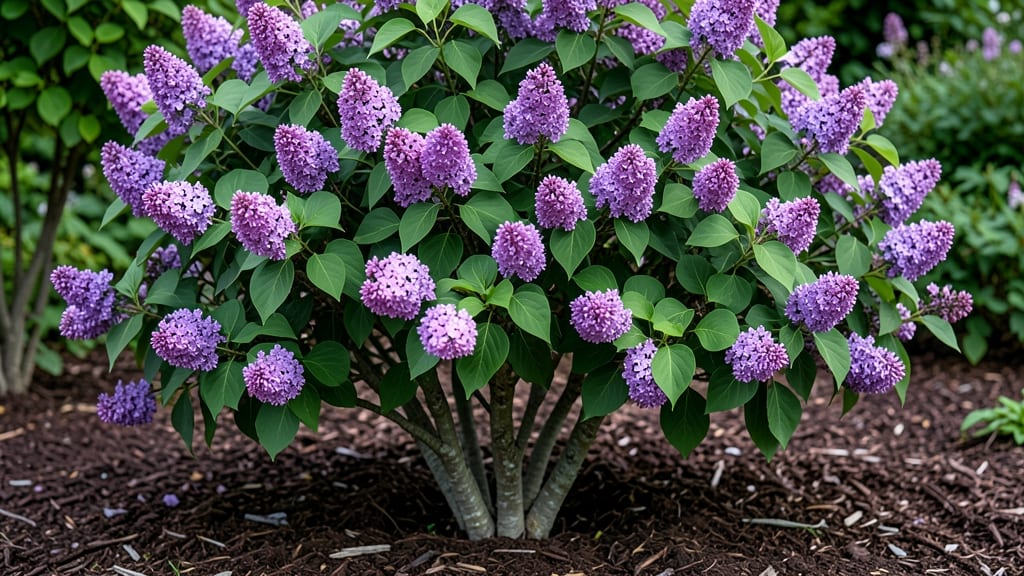
The President Lincoln lilac tree brings history and fragrance to your garden with its deep purple blooms and intoxicating scent. I planted mine last spring, and every May, the neighborhood stops to smell its flowers—it’s that unforgettable.
This heirloom variety thrives where others struggle, making it perfect for both city yards and rural landscapes.
For best results, choose a sunny spot with well-draining soil—it tolerates clay better than most lilacs. Water deeply once a week after planting, then taper off as roots establish. Pruning in late summer or early fall keeps it bushy and encourages bold, fragrant blooms the following spring.
The key is patience: mature trees reward you with football-sized clusters of flowers.
Beyond its beauty, this lilac is disease-resistant and deer-proof, which means fewer headaches for you. Use it as a focal point near patios, or plant a row along fences for a fragrant walkway. With proper care, it’ll outlive you—and become a neighborhood landmark, just like the one that inspired it.
Ready to grow one? Start with a 2-3 year old bare-root plant in early spring, and follow the seasonal care tips below. Your garden will thank you for decades to come.
📚 In This Guide
- What you need
- Instructions
- Tips and common mistakes
- Wrapping up and next steps
What you need
- ● President Lincoln Lilac Tree (1 mature plant, 3–5 years old for best results; or 1–2 bare-root saplings for planting)
- ● Pruning tools: Bypass pruners (sharp, clean, and sterilized with rubbing alcohol)
- ● Loppers (for thicker branches, 1.5–2.5" cutting capacity)
- ● Hand saw (for stubborn branches, 8–10" blade)
- ● Gloves (heavy-duty garden gloves to protect from thorns)
- ● Disinfectant (70% isopropyl alcohol or bleach solution for tools)
- ○ Pruning sealant (optional but recommended for large cuts to prevent disease)
- ● Mulch (2–3 inches of organic mulch like wood chips or shredded bark)
- ● Watering can or hose (with adjustable nozzle for gentle watering)
- ● Pruning shears for fine-tuning (smaller than bypass pruners)
- ● Extension pole (for high branches, 3–6 ft)
- ● Ladder (if tree exceeds 8 ft in height)
- ● Garden kneeler/pad (for comfort during ground-level work)
- ● Label tags (to mark pruning cuts or new growth)
- ● Fertilizer (balanced 10-10-10 or slow-release lilac-specific formula)
- ● Basic knowledge of lilac pruning (or willingness to research!
- ● Access to a sunny location (6+ hours of direct sunlight daily)
- ● Well-draining soil (amend with compost if needed)
- ● Patience! Lilacs thrive with consistent care over time.
Step-by-Step guide to planting and caring for a President Lincoln lilac tree
This historic variety thrives with proper placement and seasonal attention—here's how to cultivate its legendary fragrance.
🌱 Step 1: Select the Perfect Planting Location
The President Lincoln lilac demands full sun exposure—at least 6 hours of direct sunlight daily—to develop its signature fragrant blooms. Choose a spot with well-draining soil where roots won't sit in standing water, as this variety is particularly susceptible to root rot. I always test drainage by digging a 12-inch deep hole and filling it with water—if it drains within 30 minutes, the site is ideal.
This lilac matures into a 10-15 foot tall shrub, so plant it 10-15 feet away from structures, sidewalks, or other plants to allow for full growth without crowding. The fragrant canopy will reward you best when given plenty of breathing room. Avoid low-lying areas where cold air pools, as these lilacs prefer USDA Hardiness Zones 3-7 and can suffer winter damage in frost pockets.
🪴 Step 2: Prepare the Soil and Plant with Care
Before planting, amend the native soil with 2-3 inches of organic compost mixed into the top 12 inches of the planting hole. The President Lincoln variety thrives in slightly acidic to neutral soil (pH 6.0-7.0), so test your soil and adjust with lime if needed. I always add a slow-release fertilizer (10-10-10 ratio) at planting time to encourage strong root establishment.
Place the lilac in the hole so the root flare (where roots meet the trunk) sits 1-2 inches above soil level. Backfill with native soil mixed with compost, tamping gently to remove air pockets. Water deeply to settle the soil, then create a 4-inch wide watering basin around the base. The first year is critical—keep the soil evenly moist but never soggy, watering 2-3 times per week unless rainfall provides sufficient moisture.
☀️ Step 3: Prune Strategically for Health and Bloom
Prune lilacs immediately after flowering (late spring) to maintain shape and encourage next year's blooms. Remove dead, crossing, or weak branches first, then cut back last year's growth to just above a set of buds (these are where new flowers form). Never prune into old wood—this variety blooms on new growth, so heavy pruning reduces future flowers. I like to shape mine as a multi-stemmed shrub rather than a single trunk for better air circulation and fragrance distribution.
Watch for suckers (shoots growing from the base) and remove them promptly—they divert energy from the main plant. Thin out crowded branches by one-third every 2-3 years to prevent overgrowth. The President Lincoln lilac's signature lavender-pink blooms appear in late spring, so avoid pruning in fall or winter when the plant is dormant.
💧 Step 4: Maintain Through Seasons for Long-Term Fragrance
Established lilacs are drought-tolerant once rooted, but young trees need consistent moisture during their first two growing seasons. Water deeply once per week during dry spells, aiming for 1-1.5 inches of water per session. Mulch annually with 2-3 inches of organic mulch (like shredded bark) to retain moisture and regulate soil temperature. Keep mulch 6 inches away from the trunk to prevent rot.
Fertilize lightly in early spring with a balanced fertilizer (5-10-5 ratio) to support new growth. Avoid high-nitrogen fertilizers—they promote leafy growth at the expense of flowers. Monitor for aphids or borers, common lilac pests, and treat with neem oil if infestations appear. The President Lincoln's intense fragrance is its hallmark—proper care ensures it fills your garden with that historic scent for decades.
Tips & tricks for perfect President Lincoln lilac planting
A few strategic moves will help you cultivate a thriving President Lincoln lilac that lives up to its legendary fragrance. These details make all the difference between a struggling shrub and a showstopping garden centerpiece.
Sunlight Strategy: The 6 hours of daily sunlight requirement is non-negotiable for this variety, but here's what I've learned: East-facing locations get morning sun without afternoon heat stress, while south-facing spots maximize light exposure. If your garden has limited sun, consider a raised bed—it reflects more light back to the plant's canopy. I've seen President Lincoln lilacs planted in partial shade still bloom, but the fragrance intensity drops noticeably. For maximum impact, prioritize that full sun exposure, especially in containers where heat can escape more easily.
Drainage Test Enhancement: That 30-minute drainage test in Step 1 is crucial, but I've refined my approach: After filling the hole with water, I wait until the water level drops by half, then time the remaining drainage. This gives a more accurate picture of how quickly excess water will move through the soil. For heavy clay soils, I'll often create a gravel layer at the bottom of the planting hole—about 2 inches thick—to improve drainage without altering the overall soil composition. This simple modification has prevented root rot in every challenging soil I've worked with.
Pruning Precision: When you're cutting back last year's growth to just above a set of buds in Step 3, here's my pro tip: Look for the outermost buds that face outward on the branch. These will produce the most fragrant blooms next season. I also recommend using sharp, clean pruners and making cuts at a 45-degree angle about 1/4 inch above the bud. This technique promotes faster healing and reduces the risk of disease entering the plant. The President Lincoln's blooms form on new growth, so never cut into old wood—this is where most gardeners go wrong with lilac pruning.
Seasonal Maintenance Calendar: The first two growing seasons are critical for establishing strong roots, but I've created a simple calendar to keep track: Mark your planting date, then schedule watering reminders every 2-3 days for the first year. In late spring after flowering, note when you prune—this helps you remember when to fertilize the following year. I also recommend adding a stake at planting time to prevent wind damage during storms, especially in exposed locations. This variety's height makes it particularly susceptible to winter breakage if not properly supported.
Pro Tips for President Lincoln Lilac Tree
- A few strategic moves will help you cultivate a thriving President Lincoln lilac that lives up to its legendary fragrance.
- If your garden has limited sun, consider a raised bed—it reflects more light back to the plant's canopy.
- Drainage Test Enhancement: That 30-minute drainage test in Step 1 is crucial, but I've refined my approach: After filling the hole with water, I wait until the water level drops by half, then time the remaining drainage.
Frequently asked questions
Got questions about the iconic President Lincoln lilac tree? Here are some of the most common inquiries—and answers—to help you care for this historic variety like a pro.
When is the best time to plant a President Lincoln lilac?
The ideal window is early spring or early fall (before the first hard frost). This gives roots time to establish before summer heat or winter cold. Avoid planting in extreme heat—soil stays moist longer in spring/fall, which helps young trees thrive. If you’re in a warmer climate, fall planting is best!
How often should I prune a President Lincoln lilac?
Prune once a year, right after flowering (late spring) to shape the tree and encourage next year’s blooms. Avoid heavy pruning—this variety is sensitive to over-trimming. Focus on removing dead, crossing, or weak branches while maintaining its natural, airy form. Never prune in fall or winter—it blooms on old wood!
Why isn’t my President Lincoln lilac blooming as much as it should?
Several factors could be at play:
- Over-pruning (cutting back too aggressively in late summer/fall).
- Poor sunlight—these lilacs need full sun (6+ hours/day).
- Age—young trees (under 3 years) may not bloom heavily.
- Stress from drought, pests, or disease.
What pests or diseases should I watch for with this variety?
The President Lincoln lilac is generally hardy, but keep an eye out for:
- Japanese beetles (chew leaves—handpick or use neem oil).
- Borers (look for sawdust-like frass in stems).
- Powdery mildew (white fungal coating—improve airflow and avoid overhead watering).
- Verticillium wilt (yellowing leaves—remove infected branches and sterilize tools).
Can I grow a President Lincoln lilac in a container?
While possible, it’s not ideal—this variety grows large (up to 15 feet tall/wide) and has deep roots. If you must container-grow it:
- Use a 50+ gallon pot with drainage holes.
- Choose a fast-draining, well-amended soil (add compost and perlite).
- Repot every 2–3 years to prevent root binding.
- Place in full sun and water deeply 2–3 times/week in summer.
Wrapping up and next steps
The President Lincoln Lilac Tree isn’t just a stunning addition to your garden—it’s a living piece of history with a fragrant spring display that brings joy and nostalgia. Whether you’re pruning for health, aesthetics, or preservation, remember that patience and care will reward you with years of beauty. 🌸
Ready to give your lilac the love it deserves? Roll up your sleeves, grab your pruners, and start planning your next pruning session! Your garden—and future generations—will thank you.