
Pruning
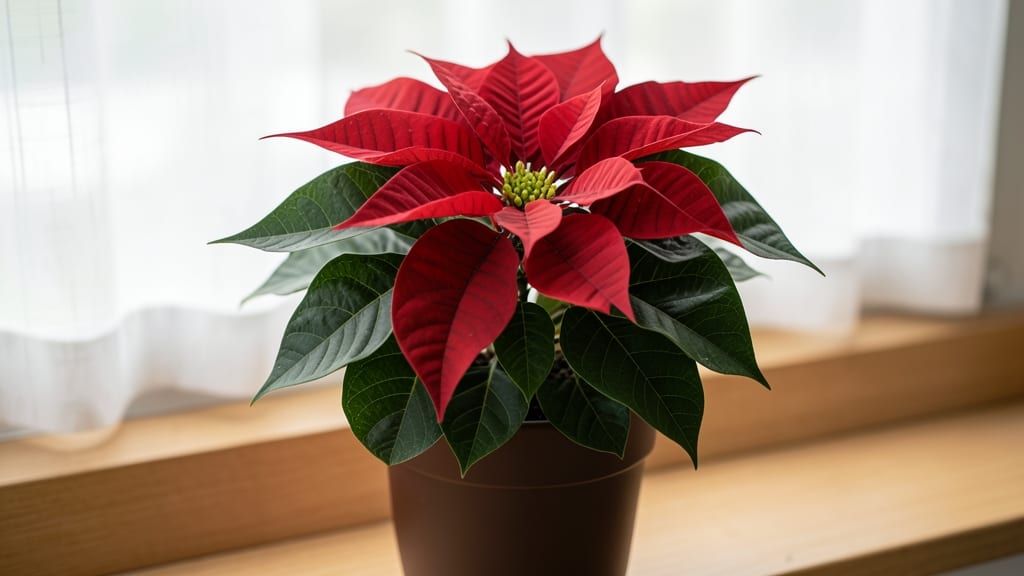
Growing a real poinsettia tree means bringing bold red foliage indoors year-round—and it’s easier than you think. 🌿 My Pacific Northwest garden stays vibrant through winter with these hardy plants, which thrive as houseplants when winter rolls in.
The key is mimicking their natural tropical climate, even in cool, damp regions.
You’ll need bright, indirect light, well-draining soil, and consistent moisture without soggy roots. Pruning in early spring encourages bushier growth, while winter care focuses on humidity and warmth.
Most mistakes come from overwatering or sudden temperature shifts—both kill these plants quickly. With the right approach, you’ll enjoy deep red bracts for months, not just December.
By summer, your poinsettia can even move outdoors for fresh air, then return indoors before fall. The secret to repeat blooms lies in light exposure and gradual adjustments—no harsh pruning or neglect. Expect lush, glossy leaves and vibrant color that outlasts store-bought versions by seasons.
Perfect for sunny windowsills or greenhouses, this method works in apartments or large homes alike. Let’s get your poinsettia thriving beyond the holidays—naturally.
📚 In This Guide
- What you need
- Instructions
- Tips and common mistakes
- Wrapping up and next steps
What you need
- ● Poinsettia plant: A healthy, mature real poinsettia (not a bedding plant). Look for one labeled Euphorbia pulcherrima or check for thick stems and lush foliage. Quantity: 1 (or more if you’re scaling up!).
- ● Well-draining potting mix: A blend of 50% peat moss or coconut coir, 30% perlite or pumice, and 20% compost. Avoid heavy garden soil—poinsettias hate soggy roots! Quantity: 1–2 gallons per plant.
- ● Pot with drainage holes: A container 1–2 inches larger in diameter than the plant’s root ball. Material: Terracotta (breathable) or plastic (retains moisture better). Size: 6–10 inches for a single plant.
- ● Pruning shears: Sharp, clean shears (sterilize with rubbing alcohol). Spec: Bypass-style for precision cuts.
- ● Gloves: Heavy-duty gardening gloves (poinsettia sap can irritate skin!).
- ● Watering can or spray bottle: For gentle hydration. Tip: Avoid overhead watering to prevent fungal issues.
- ○ Grow lights (optional but ideal for PNW winters): Full-spectrum LED lights (12–16 hours/day during short-day treatment). Spec: 1,000–2,000 lumens.
- ○ Thermometer/hygrometer (optional): To monitor temps (ideal: 65–75°F) and humidity (50–60%).
- ● Sunlight: Bright, indirect light (east or west-facing window) or grow lights for 6+ hours/day. South windows may need shade in summer.
- ● Temperature control: Keep away from drafts, vents, or temps below 50°F (poinsettias are tropical!).
- ● Patience: Poinsettias need 8–10 weeks of short days (≤12 hours light) to trigger blooms. Plan ahead!
Step-by-step guide to growing a Pacific Northwest poinsettia tree
Here's how to cultivate a thriving poinsettia tree that keeps its vibrant color year-round.
🌱 Step 1: Select and Prepare Your Poinsettia Tree
Choose a healthy Pacific Northwest-adapted poinsettia tree with sturdy stems and glossy leaves. I always look for plants with bright, uniform red or pink bracts—these indicate strong health and better color retention. Avoid plants with yellowing leaves or brown edges, as these signal stress or disease.
Remove the plant from its nursery pot and gently loosen the root ball with your fingers. This encourages new root growth once planted. If the roots are tightly bound, use a knife to carefully tease them apart—just enough to create some separation without damaging the roots. The goal is to mimic natural root spread for a more resilient plant.
☀️ Step 2: Plant in Well-Draining Soil and Position for Light
Fill a large container (at least 12 inches in diameter) with a mix of 50% potting soil and 50% perlite or orchid bark to ensure excellent drainage—poinsettias hate soggy roots. I like to add a handful of slow-release fertilizer to the mix to give the plant a nutrient boost right from the start. Tap the container gently to settle the soil before planting.
Place the poinsettia tree in a spot that receives bright, indirect light for at least 6 hours daily. In the Pacific Northwest, this often means a south- or east-facing window or a well-lit indoor space. Avoid direct afternoon sun, which can scorch the delicate bracts. If growing outdoors in summer, provide partial shade to protect the plant from intense sunlight.
💧 Step 3: Water and Maintain Ideal Growing Conditions
Water the poinsettia tree thoroughly until water drains from the bottom of the container. Let the top 1-2 inches of soil dry out between waterings—this prevents root rot while keeping the plant hydrated. I always check the soil with my finger; if it feels dry to the touch, it’s time to water. Overwatering is the fastest way to kill a poinsettia, so resist the urge to keep the soil constantly moist.
Keep the temperature between 65-75°F during the day and allow it to drop to 55-60°F at night to mimic natural seasonal changes. Poinsettias are sensitive to cold drafts, so avoid placing them near doors, windows, or air conditioning vents. A consistent environment helps the plant retain its vibrant color and encourages healthy growth.
✂️ Step 4: Prune and Fertilize for Year-Round Color
After the plant finishes blooming, trim back the stems to just above a leaf node to encourage bushier growth. I like to do this in early spring, just as new growth begins. Use clean, sharp pruning shears to make clean cuts—this prevents damage and promotes faster healing. Remove any yellow or damaged leaves immediately to redirect the plant’s energy toward new, healthy growth.
Feed the poinsettia with a balanced liquid fertilizer (10-10-10) every 4-6 weeks during the growing season. Reduce fertilization in fall and winter to allow the plant to rest. The key to year-round color is maintaining a 14-hour light cycle in winter—use a grow light if natural light is insufficient. This trick keeps the bracts vibrant even during the shortest days of the year.
🪴 Step 5: Overwinter and Prepare for Next Season
In late fall, reduce watering slightly to prepare the poinsettia for its dormant period. This helps the plant store energy for next year’s blooms. I move mine to a cooler spot (around 60°F) and keep it in low light for about 6 weeks. This mimics the natural shortening of daylight hours and signals the plant to reset for the next growing season.
In early spring, resume regular watering and fertilizing. Gradually reintroduce the plant to bright light to avoid shocking it. By late spring, it should be ready to produce new growth and eventually, those stunning bracts again. With consistent care, your poinsettia tree will reward you with year-round color and become the star of your Pacific Northwest garden or home.
Tips & tricks for perfect Pacific Northwest poinsettia trees
Here's what nobody tells you about keeping your poinsettia vibrant all year long.
Lighting Strategy: That 6-hour daily light requirement is non-negotiable for color retention. In the Pacific Northwest's shorter winter days, supplement with a grow light placed 12-18 inches away for 2-3 hours in the evening. I use a simple LED bulb on a timer—it's the secret to maintaining those deep red bracts even when natural light fades early. The key is consistency: poinsettias need that 14-hour light cycle to trigger color production.
Soil Science: The 50-50 mix of potting soil and perlite isn't just about drainage—it's about aeration. Compacted soil cuts off oxygen to roots, which leads to those dreaded brown edges. After planting, I press down gently but firmly to eliminate air pockets, then add a thin layer of orchid bark on top. This extra layer helps regulate moisture and prevents soil splash on the delicate bracts when you water.
Pruning Precision: When trimming stems to just above a leaf node in Step 4, make your cuts at a 45-degree angle about ¼ inch above the node. This angled cut creates more surface area for new growth to emerge. I always sterilize my pruning shears with rubbing alcohol between cuts to prevent spreading any potential diseases that could weaken your plant during its critical growing phase.
Temperature Transition: The 65-75°F daytime to 55-60°F nighttime range mimics natural seasonal changes that trigger blooming. In winter, I place my poinsettia near a south-facing window during the day, then move it to a cooler spot (like an unheated garage) at night. This temperature fluctuation is what signals the plant to produce those vibrant bracts—something many growers overlook in our consistently mild Pacific Northwest climate.
Pro Tips for Real Poinsettia Tree
- Here's what nobody tells you about keeping your poinsettia vibrant all year long.
- Lighting Strategy: That 6-hour daily light requirement is non-negotiable for color retention.
- Soil Science: The 50-50 mix of potting soil and perlite isn't just about drainage—it's about aeration.
Frequently asked questions
Got questions about growing and caring for your real poinsettia tree? You’re not alone! Here are answers to the most common queries—because even the Pacific Northwest’s hardiest plants need a little TLC.
How do I keep my real poinsettia tree alive year-round?
Real poinsettias thrive indoors with bright, indirect light (like a south- or east-facing window) and moderate humidity. Keep soil slightly moist but never soggy—overwatering is the #1 killer! In winter, reduce watering and move it away from drafts. Pro tip: Mimic their tropical roots by misting leaves or placing a tray of pebbles with water nearby.
When should I prune my poinsettia tree for bushier growth?
Prune your tree right after flowering (late winter/early spring) to encourage fuller growth. Cut back leggy stems by ⅓ to ½ their length, and remove any dead or yellowing leaves. For a denser shape, pinch back new growth tips in early summer. Warning: Avoid heavy pruning in fall—this disrupts the plant’s natural blooming cycle!
Can real poinsettias survive outdoors in the Pacific Northwest?
Yes! These plants love the PNW’s mild climate but need protection from harsh winter winds and frost. In summer, they can thrive in partial shade (like a covered patio or dappled forest edge). Bring them indoors before temps drop below 40°F (4°C). Bonus: Outdoor exposure in summer boosts next year’s vibrant blooms!
Why aren’t my poinsettia leaves red? Are they dying?
Poinsettias need 12+ hours of darkness daily for 6 weeks in fall to trigger red bracts (the “flowers”). If your leaves stay green, it’s likely due to too much light at night. Move the plant to a dark closet or cover it with a box after sunset. Yellow leaves? Check for overwatering or pests (like spider mites).
Are real poinsettias expensive? What’s a budget-friendly alternative?
Real poinsettias (Euphorbia pulcherrima) cost more than plastic ones ($30–$80+), but they’re long-lived perennials (with care!). For a cheaper start, propagate cuttings from a healthy plant or buy a smaller, potted specimen from a local nursery. Alternative: Try crown-of-thorns (Euphorbia milii)—it’s drought-tolerant and blooms year-round!
Are real poinsettias toxic to pets?
Yes, they’re mildly toxic to cats and dogs if ingested, causing mouth irritation, vomiting, or drooling. The sap is the culprit—keep pets away while handling the plant. Safe swap: Opt for pet-friendly plants like African violets or spider plants if you’re worried.
Wrapping up and next steps
Growing a real poinsettia tree in the Pacific Northwest isn’t just about holiday cheer—it’s a rewarding year-round adventure! With the right care, pruning, and a little patience, you’ll enjoy vibrant blooms and lush foliage that brightens every season. 🌿✨
Ready to take the next step? Start by observing your tree’s growth and adjusting your pruning schedule to keep it thriving. Share your progress with fellow gardeners or explore advanced techniques like propagation to expand your green thumb’s legacy!