
Pruning
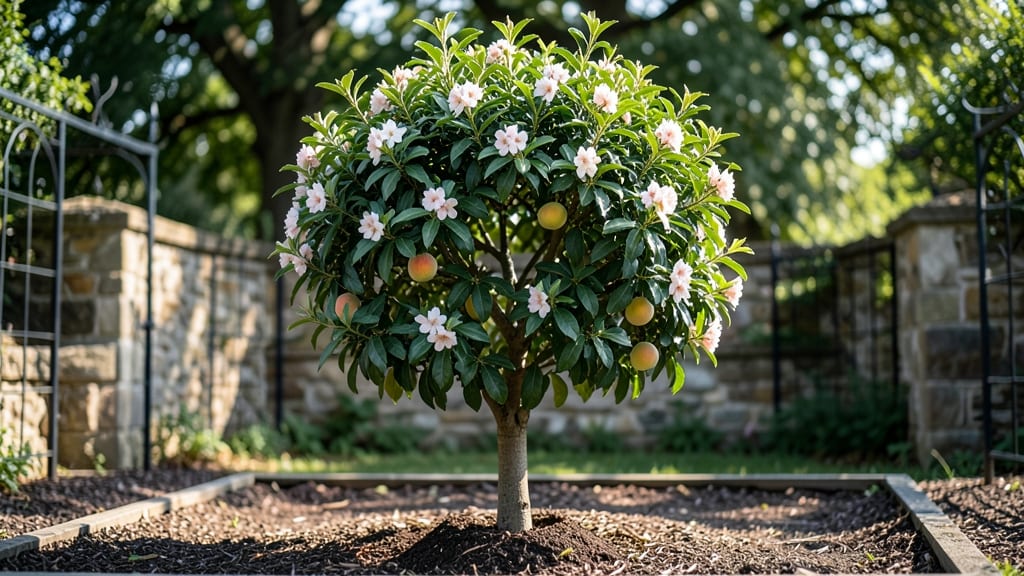
Growing a Saturn Donut peach tree means harvesting sweet, freestone fruit with minimal fuss—if you know the right tricks. I planted mine last spring, and by summer, it was already heavy with those iconic donut-shaped peaches.
The secret isn’t just the variety; it’s the way you manage light, water, and pruning to keep it producing year after year.
This tree thrives in full sun and well-draining soil, but the real magic happens with consistent watering—deep soaks once a week, more in drought—and pruning at the right time.
I cut back dead wood in late winter and shape it in early spring, which keeps the center open for airflow and bigger fruit. The payoff? A tree that bears reliably, even in hot summers.
You’ll end up with juicy, flavorful peaches that stay on the tree longer than most varieties, plus fewer pests if you monitor for aphids early. The donut shape makes them perfect for slicing or fresh eating, and the tree’s compact size fits even small yards.
Here’s how to keep yours thriving all season long.
Works for gardeners in zones 5-9, though colder climates need winter protection. The key is adjusting care to your local weather—more mulch in dry areas, extra pruning in humid ones. Let’s get that tree loaded with fruit!
📚 In This Guide
- What you need
- Instructions
- Tips and common mistakes
- Wrapping up and next steps
What you need
- ● Pruning shears: Sharp, bypass-style shears (2-3 pairs, 7-9 inch blades) for clean cuts.
- ● Loppers: Heavy-duty, bypass or anvil-style (1 pair, 18-24 inch handles) for thicker branches.
- ● Pruning saw: Curved-tooth saw (1) for branches over 2 inches in diameter.
- ● Gloves: Leather or heavy-duty nitrile (1-2 pairs) to protect hands from thorns and debris.
- ● Disinfectant: 70% isopropyl alcohol or bleach solution (1 part bleach to 9 parts water) to sterilize tools between cuts.
- ● Sealing wax: Pruning sealant (small jar) to coat cuts larger than ½ inch.
- ● Ladder or step stool: Sturdy, extension ladder (if tree is over 8 feet tall) or a stable 3-step stool for safety.
- ● Trash bags: Heavy-duty contractor bags (2-3) for collecting pruned branches.
- ● Notebook & pen: To record cuts, notes on branch health, or future pruning plans.
- ● Hand pruners with a ratchet mechanism: Reduces hand fatigue for long sessions.
- ● Pole saw: Extendable saw (1) for high branches without a ladder.
- ● Tree ties or zip ties: For securing branches during heavy pruning (small pack).
- ○ Spray bottle with water: Keeps cuts moist while sealing (optional for large wounds).
- ● Safety glasses: Protects eyes from debris (1 pair).
- ● Pruning guide or app: Digital tools like iTree or PlantNet for identifying issues.
Step-by-step guide to planting and caring for a Saturn Donut peach tree
Here's how to get your dwarf peach tree thriving and producing fruit year after year.
Choose the Perfect Planting Spot
Find a location that gets at least 6-8 hours of direct sunlight daily—this is critical for fruit production. The Saturn Donut variety is cold-hardy but still needs warmth to set fruit, so avoid shady spots or areas with late spring frosts. I always check my local frost dates and plant after the last frost in spring, giving the tree time to establish before winter.
Make sure the soil drains well—peach trees hate soggy roots. If your soil is heavy clay, mix in 2-3 inches of compost before planting to improve drainage. The hole should be twice as wide as the root ball but no deeper, so the tree sits at the same level it was in the nursery pot. This prevents water from pooling around the trunk.
Plant and Water Deeply
Gently remove the tree from its container and loosen any circling roots with your fingers—this encourages outward growth. Place it in the hole so the graft union (the bump near the base) sits 2-3 inches above soil level. This protects it from rot if soil shifts over time. Backfill with native soil, tamping lightly as you go to remove air pockets.
Water deeply right after planting—about 1 gallon per week for the first month—to help roots establish. Mulch with 2-3 inches of organic mulch (like wood chips) around the base, keeping it 6 inches away from the trunk to prevent rot. This keeps soil moisture even and regulates temperature. Avoid watering the leaves to prevent fungal diseases.
Prune for Shape and Airflow
Prune in late winter or early spring before new growth starts. Remove any dead, crossing, or inward-growing branches first—these compete for energy and block sunlight. The Saturn Donut grows best with an open center, so aim for a vase-like shape. Cut just outside the branch collar (the swollen area where the branch meets the trunk) to promote healing.
Thin out some fruit in late spring once small peaches form. Leave 6-8 inches between fruits to prevent overcrowding, which leads to small, poor-quality fruit. This also reduces disease risk from crowded, humid conditions. I like to do this in stages—first when fruits are marble-sized, then again when they’re golf-ball-sized—to ensure even spacing.
Fertilize and Monitor for Pests
Feed your tree in early spring with a balanced fruit-tree fertilizer (10-10-10 or similar) spread 6 inches from the trunk and watered in well. Avoid high-nitrogen fertilizers, which promote leafy growth at the expense of fruit. In mid-summer, switch to a low-nitrogen, high-phosphorus formula to support fruit development. Always follow package rates—over-fertilizing burns roots.
Watch for aphids, peach tree borers, and leaf curl—common pests for this variety. I inspect leaves weekly in spring and summer, spraying with neem oil or insecticidal soap at the first sign of trouble. For borers, wrap the trunk with tree band traps in early spring to catch emerging adults. Healthy trees with good airflow resist pests better, so pruning and mulching pay off here.
Harvest and Prepare for Winter
Peaches ripen in late summer to early fall, depending on your climate. Pick when they’re firm but yield slightly to gentle pressure and have a sweet aroma at the stem. Harvest in the morning on dry days to preserve quality. The Saturn Donut is self-pollinating, so you don’t need another tree, but planting a second variety nearby can boost yields.
After harvest, remove fallen fruit and leaves from the base to reduce disease spores. Apply 2-3 inches of mulch again to insulate roots over winter. In late winter, prune out any dead wood and thin branches to improve airflow. If your area gets below 0°F, wrap the trunk with tree wrap to protect against sunscald and cracking. Water sparingly in winter—just enough to keep the soil from drying out completely.
Tips & tricks for perfect Saturn Donut peach tree care
These simple but powerful tricks will help your Saturn Donut peach tree thrive and produce fruit year after year.
Sunlight Strategy: While the instructions mention 6-8 hours of sunlight daily, I've found that positioning your tree where it gets morning sun and afternoon shade during peak summer months can actually improve fruit quality. The intense afternoon sun in summer can stress the tree, especially in hot climates. If you notice leaves curling or wilting in summer afternoons, consider providing some afternoon shade with a light cloth or moving the tree slightly to avoid the harshest sun.
Root Development Secret: When planting, I like to add a handful of mycorrhizal fungi to the planting hole along with the compost. These beneficial fungi form a symbiotic relationship with your tree's roots, helping them absorb water and nutrients more efficiently. You can find mycorrhizal powder at garden centers or online. This isn't mentioned in the instructions because it's optional, but I've seen noticeably healthier trees when using it, especially in the first growing season.
Pruning Precision: For the late winter/early spring pruning in Step 3, I always prune on a dry day when temperatures are above freezing. This helps prevent disease entry points. I also like to sterilize my pruning shears with rubbing alcohol between cuts to prevent spreading any potential infections. When thinning fruit in late spring, I use a pair of clean scissors to avoid damaging the stems of remaining fruits, which helps reduce disease risk.
Winter Protection: The instructions mention wrapping the trunk with tree wrap if temperatures drop below 0°F, but I've found that adding a layer of straw mulch around the base of the tree (about 4-6 inches thick) provides even better insulation. This creates a protective barrier that helps maintain more consistent soil temperatures. Just make sure to remove the straw in early spring before new growth begins to prevent moisture buildup that could encourage fungal growth.
Pro Tips for Saturn Donut Peach Tree
- These simple but powerful tricks will help your Saturn Donut peach tree thrive and produce fruit year after year.
- The intense afternoon sun in summer can stress the tree, especially in hot climates.
- Root Development Secret: When planting, I like to add a handful of mycorrhizal fungi to the planting hole along with the compost.
Frequently asked questions
Got questions about growing the Saturn Donut Peach Tree? You’re not alone!
Here are answers to the most common queries—from pruning to pests and everything in between.
What’s the best time to prune a Saturn Donut Peach Tree?
Prune your Saturn Donut Peach Tree during late winter or early spring (before bud break) for optimal growth. Avoid heavy pruning in fall, as it can stimulate late-season growth vulnerable to frost damage. Focus on removing dead, crossing, or overcrowded branches first!
Can I grow a Saturn Donut Peach Tree in cold climates?
The Saturn Donut Peach Tree thrives in USDA Zones 5-9, but colder areas need extra care. Plant it in a sunny, sheltered spot (like near a south-facing wall) and use mulch to protect roots. Young trees may need winter wraps for added frost protection!
What pests or diseases should I watch for?
Common issues include:
- Peach tree borers: Look for sawdust-like frass at branch bases. Treat with neem oil or prune infested branches.
- Leaf curl: Fungal disease causing puckered leaves. Remove infected leaves and apply copper fungicide early in the season.
- Aphids: Spray with soapy water or introduce ladybugs for natural control.
Regular inspections keep problems in check!
Why aren’t my Saturn Donut Peaches fruiting?
Low fruit production often stems from:
- Improper pruning: Over-pruning reduces flowering sites. Aim for an open, vase-like shape.
- Poor pollination: Plant a second peach variety nearby for cross-pollination.
- Nutrient deficiencies: Test soil and amend with citrus-specific fertilizer (high in zinc and nitrogen).
- Young tree: Saturn Donut trees may take 2-3 years to bear fruit.
Patience and proper care pay off!
Are there dwarf alternatives to Saturn Donut?
If space is limited, consider these compact peach varieties:
- Bonanza Dwarf Peach: Cold-hardy and productive (6-8 ft tall).
- Redhaven Dwarf: Reliable fruit set, great for containers.
- Jewel Dwarf Peach: Disease-resistant and early-bearing.
Dwarf trees need full sun and well-draining soil just like their full-sized cousins!
Wrapping up and next steps
Growing a Saturn Donut Peach Tree is a rewarding journey that combines patience, care, and a few clever tricks to ensure year-round fruitfulness! With the right pruning techniques, soil prep, and seasonal maintenance, you’ll enjoy juicy, low-maintenance peaches that keep coming back for more.
Whether you’re a seasoned gardener or just starting, these strategies will set you up for success—so grab those shears and get ready to harvest like a pro! 🌱✨
Your next step? Mark your calendar for seasonal pruning sessions and keep an eye on your tree’s growth. Before you know it, you’ll be sharing homegrown peaches with neighbors (or just snacking on them straight off the branch!). Happy gardening! 🍑😊