
Pruning
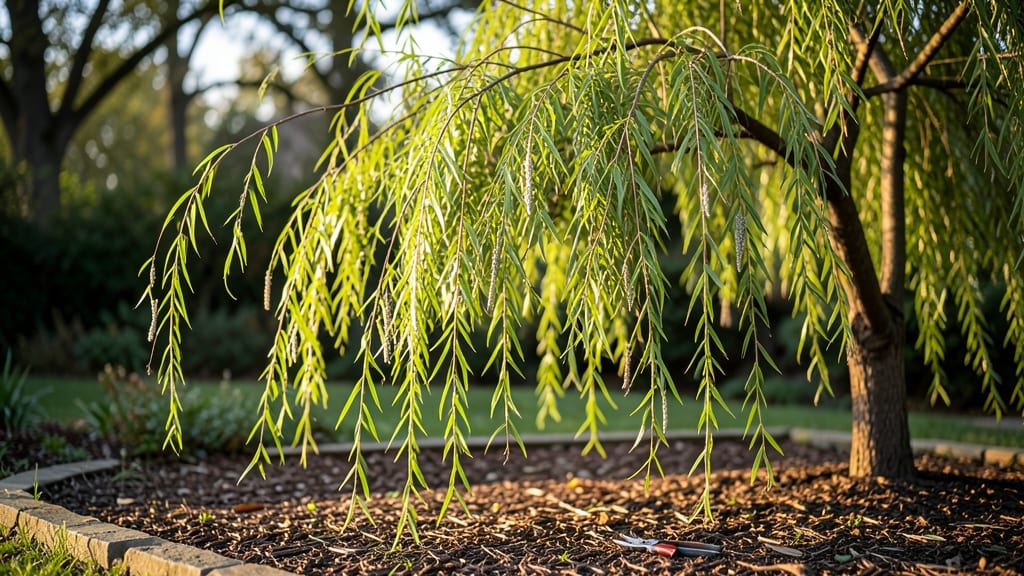
Transforming your garden into a Pacific Northwest dream with a small weeping willow tree starts with understanding its natural elegance. 🌿 These trees bring cascading branches and soft, silvery foliage that dance in the breeze, creating a focal point that feels both wild and refined.
The key to keeping that graceful shape lies in pruning—something I’ve perfected after years of watching my own weeping willow become the centerpiece of my backyard.
What makes this tree so special for garden design is its adaptability. Plant it near a pond or stream for a romantic, watery vibe, or tuck it into a modern courtyard for a touch of organic texture.
Pair it with hostas, ferns, or low-growing perennials to highlight its cascading form, or let it stand alone as a dramatic statement piece. The secret to its success? Pruning just after new growth appears in early spring—before the leaves fully unfurl.
You’ll end up with a tree that looks effortlessly polished, its branches swaying in perfect harmony with the wind. The canopy stays dense and lush, while the trunk develops character with age.
Plus, the pruning process is simpler than you’d think—no need for heavy tools or complex techniques. Just a few strategic cuts to encourage that dreamy, weeping silhouette.
Whether you’re designing a cottage garden, a minimalist modern space, or a serene water feature, this tree adapts beautifully. It thrives in the PNW’s mild winters and damp summers, making it a low-maintenance star for any landscape. Let’s get your garden ready for that perfect, graceful touch.
📚 In This Guide
- What you need
- Instructions
- Tips and common mistakes
- Wrapping up and next steps
What you need
- ● Pruning shears: Bypass pruners (sharp, clean, and sterilized with rubbing alcohol) for small branches (up to ½-inch thick).
- ● Loppers: 1 pair (for branches ½-inch to 2-inches thick) with a long handle for reach.
- ● Pruning saw: 1 handheld saw (for branches thicker than 2-inches). Opt for a curved blade for smoother cuts.
- ● Gloves: Heavy-duty, cut-resistant gloves (willows have sharp branches!).
- ● Disposable pruning bags: 2-3 large bags (to collect debris and prevent disease spread).
- ● Rubbing alcohol (70%+) or bleach solution: For sterilizing tools between cuts.
- ○ Tree wound sealant (optional): Pruning paste (for cuts larger than ½-inch to reduce infection risk).
- ● Ladder or step stool: Sturdy and tall enough to reach the tree’s canopy safely.
- ● Safety glasses: 1 pair (to protect eyes from debris).
- ● Rain gear: Waterproof jacket and pants (willows thrive in wet climates—stay dry!).
- ● Tarp or drop cloth: 1 large tarp to lay under the tree (to catch falling leaves/debris).
- ● Compost bin or wheelbarrow: For hauling away pruned branches.
- ● Weather check: Prune on a dry, overcast day (avoid wind or rain).
- ● Tree health assessment: Ensure the willow is not stressed (no signs of disease, pests, or drought).
- ● Local regulations: Check if your area requires permits for tree pruning (especially near power lines!).
Step-by-step pruning for a Pacific Northwest weeping willow's graceful shape
Your weeping willow will reward you with elegant, cascading branches—but only if you prune it right. Here's how to shape it like a pro.
🌿 Step 1: Time Your Pruning for Spring Growth
Prune your weeping willow in late winter or early spring, just as buds begin to swell but before new growth starts. This timing ensures you're cutting back before the tree puts energy into new branches. In the Pacific Northwest, aim for February through March when days start lengthening but frost is still possible.
Wait until you see tight, plump buds forming along the branches—these signal the tree is preparing to grow. If you prune too early, you'll cut back dormant wood that won't respond. If you wait too late, you risk encouraging weak, leggy growth from overstimulated buds.
✂️ Step 2: Remove Dead or Crossing Branches First
Start by examining the canopy for dead wood—branches that are brown, brittle, or completely devoid of leaves. Use sharp pruning shears to cut these back to the main trunk or a healthy lateral branch. Weeping willows are resilient, but dead branches sap energy from the living ones.
Next, look for branches that cross or rub against each other. These will eventually create wounds where disease can enter. Cut one of the crossing branches back to the trunk or a side branch where it grows outward. Always make cuts just outside the branch collar—the swollen area where the branch meets the trunk—to promote faster healing.
🌱 Step 3: Shape the Canopy for Even Growth
Now focus on shaping the tree's natural weeping form. Step back and visualize the ideal cascading shape—long, graceful branches that flow downward symmetrically. Start by thinning out the innermost branches that grow toward the center of the tree. These compete for light and weaken the structure.
Cut back about one-third of the branch length on the outermost branches to encourage fuller growth at the tips. Avoid cutting into old wood—always prune just above a leaf bud or lateral branch. This ensures the tree directs energy to new growth in the right places. If a branch is too thick to cut with hand shears, use a pruning saw for clean cuts.
☀️ Step 4: Encourage Airflow and Light Penetration
Weeping willows can get dense, so open up the canopy to allow sunlight and air circulation. Remove any branches that grow straight up or outward from the main trunk—these disrupt the tree's elegant silhouette. Aim to create a balanced, layered look with branches cascading evenly on all sides.
Pay special attention to the lower branches. While weeping willows naturally have a drooping habit, you can encourage a fuller lower canopy by lightly trimming back the tips of branches that grow too upright. This promotes the tree's signature graceful, weeping form. After pruning, step back and admire your work—your tree should now have a harmonious, flowing shape.
💧 Step 5: Clean Up and Monitor for New Growth
Once you've finished pruning, sterilize your tools with rubbing alcohol to prevent spreading disease. Collect and dispose of all clippings—don't leave them near the tree, as they can harbor pests or fungi. Water the base of the tree deeply to help it recover from the pruning stress.
Over the next 4-6 weeks, watch for new growth emerging from the pruned branches. Healthy new shoots should appear green and firm, not yellow or wilted. If you see weak growth, it may indicate over-pruning or poor soil conditions. Adjust future pruning accordingly to maintain the tree's graceful form.
Tips & tricks for pruning a Pacific Northwest weeping willow
Transforming your weeping willow into a stunning focal point starts with these pro-tested techniques that keep your tree healthy and beautiful.
Timing is Everything: The February through March window is critical because that's when your willow's buds are just waking up but haven't committed to new growth yet. I've seen too many gardeners prune too early and end up with branches that never respond—don't make that mistake! Watch for those tight, plump buds that look like tiny green marbles along the branches. That's your cue that the tree is ready. In the Pacific Northwest's cooler climate, these buds appear later than in warmer regions, so don't rush.
Tool Preparation Matters: Before you even touch a branch, sterilize your pruning shears and saw with rubbing alcohol. I learned this the hard way after transferring a fungal infection between branches during a pruning session. Keep your tools sharp too—dull blades crush wood instead of making clean cuts, which creates larger wounds that heal more slowly. A good rule of thumb is to be able to make a clean cut through a pencil with your shears—if you can't, they need sharpening.
Visualize the Cascade: Step back and really look at your tree before making any cuts. The goal is to create that iconic weeping silhouette where branches flow downward like a waterfall. Start by removing any branches growing straight up—they'll compete with the graceful downward growth you want. For the remaining branches, aim to cut back about one-third of their length on the outermost ones. This encourages fuller growth at the tips while maintaining that elegant drape. Think of it like sculpting—you're shaping the tree's natural form rather than forcing it into something unnatural.
Post-Pruning Care: After you've finished shaping, don't just walk away! Collect all the clippings and dispose of them properly—leaving them near the tree can attract pests and diseases. Water the base of the tree deeply to help it recover from the stress of pruning. Then, mark your calendar for 4-6 weeks later. That's when you'll see if your pruning was successful—look for bright green, firm new shoots emerging from the pruned branches. If you see weak, yellow growth, that's a sign you may have over-pruned or that the tree needs better soil conditions.
Pro Tips for Small Weeping Willow Tree
- Transforming your weeping willow into a stunning focal point starts with these pro-tested techniques that keep your tree healthy and beautiful.
- Timing is Everything: The February through March window is critical because that's when your willow's buds are just waking up but haven't committed to new growth yet.
- Tool Preparation Matters: Before you even touch a branch, sterilize your pruning shears and saw with rubbing alcohol.
Frequently asked questions
Got questions about keeping your small weeping willow tree thriving in the Pacific Northwest? You’re not alone! Here are answers to the most common concerns—from pruning timing to troubleshooting—so you can nurture that graceful, drooping beauty with confidence.
When is the best time to prune a small weeping willow tree?
Prune your weeping willow in late winter or early spring (before new growth starts) to encourage healthy branching. Avoid heavy pruning in fall—it can leave cuts vulnerable to disease. For light shaping, you can trim lightly in summer, but never prune after late July to prevent weak growth before winter.
How much can I trim back a young weeping willow tree?
For young trees (under 5 years old), limit pruning to no more than 25% of the canopy per year. Weeping willows respond well to selective trimming to maintain their elegant shape, but avoid aggressive cuts—this can stress the tree and invite pests. Focus on removing dead, crossing, or overcrowded branches first.
Are weeping willows prone to disease in the Pacific Northwest’s wet climate?
Yes! Weeping willows are susceptible to canker diseases and root rot in damp conditions. To prevent issues:
- Ensure the tree has well-draining soil (amend clay soil with compost).
- Avoid overwatering—let the top 2 inches of soil dry between waterings.
- Prune with sterilized tools to prevent spreading fungal spores.
What’s a good alternative if I want a smaller, low-maintenance tree?
If a weeping willow’s rapid growth or messiness (dropping branches/sap) is a concern, consider these PNW-friendly alternatives:
- Dwarf Japanese Garden Maple (Acer palmatum): Compact, colorful foliage, minimal pruning.
- Empress Tree (Paulownia tomentosa): Fast-growing but cleaner than willows.
- Oregon Grape Holly (Mahonia aquifolium): Evergreen, drought-tolerant, and pest-resistant.
Why are my weeping willow’s branches dying back?
Dying branches in a weeping willow often signal over-pruning, disease, or environmental stress. Check for:
- Wilting or brown leaves: Likely underwatering or root rot (common in soggy soil).
- Hollow or cracked stems: Sign of canker disease—prune 6+ inches below the damage and sterilize cuts.
- Sudden leaf drop: Could be aphid infestation or herbicide drift (willows are sensitive!).
Wrapping up and next steps
Pruning your small weeping willow tree doesn’t have to be daunting—with the right tools, timing, and techniques, you can encourage a lush, graceful canopy that thrives in the Pacific Northwest’s unique climate. 🌿 Whether you’re trimming for health, shape, or seasonal beauty, the key is patience and precision.
Now that you’re armed with expert tips, grab your pruners and get started!
Ready to transform your tree? Mark your calendar for the next ideal pruning window (early spring or late winter) and take action before the growing season peaks. Your willow’s future elegance starts with one careful cut at a time—happy pruning! ✂️🌱