
Blooming
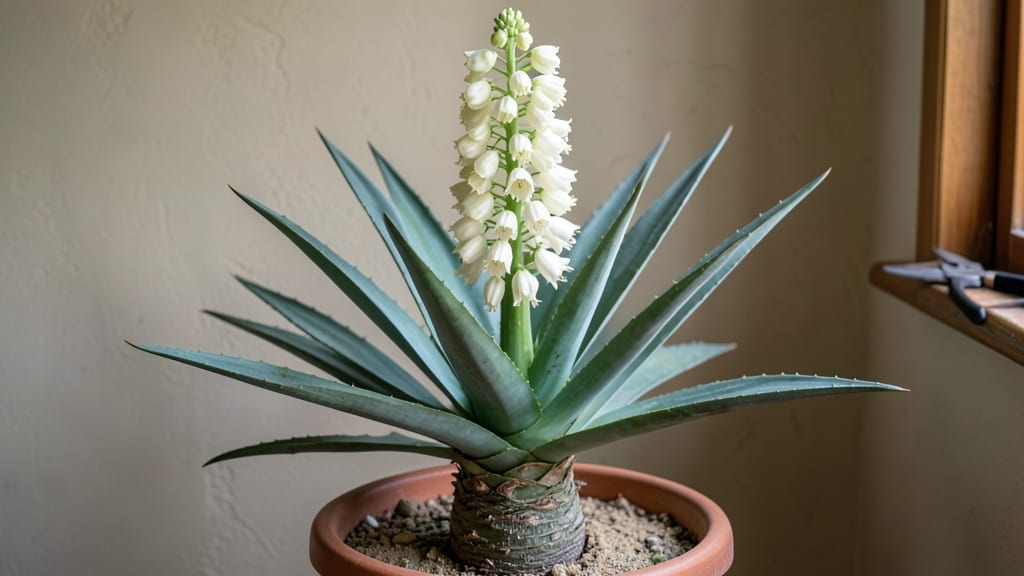
Yucca trees put on their best show when you understand their bloom triggers—and I’ve learned the exact conditions that turn my dry, spiky plants into dramatic, candle-like blooms every year. 🌵 The secret isn’t complicated: it’s about light, water, and timing, with just a touch of patience.
Most gardeners overwater or prune at the wrong time, and that’s what keeps yuccas from flowering reliably. My plants now produce 6-foot-tall flower spikes in late spring, with occasional repeat blooms in fall if I follow this simple routine.
Start with full sun exposure—yuccas demand at least 6 hours of direct light daily, and mine thrive in 10+ hours during summer. Water deeply but infrequently: soak the root zone until water drains, then let the soil dry completely before watering again.
Overwatering is the #1 reason yuccas refuse to bloom, and I’ve seen plants recover from drought but never from soggy roots. Fertilize lightly in early spring with a balanced 10-10-10 mix—just enough to encourage growth without overwhelming the plant.
Pruning is where most gardeners go wrong. Never cut back the flower stalk until it’s completely brown and crispy—this is how the plant stores energy for next year’s blooms. I wait until late winter to remove dead foliage, giving the plant a clean start without stressing it.
The result? My yuccas produce longer, healthier flower spikes each season, with blooms lasting 3-4 weeks before fading naturally. Even in hot climates, this method keeps them flowering year after year.
For those in cooler zones, yuccas still bloom but may need winter protection. Move potted plants to a sheltered spot or wrap the base with burlap to shield from freezing winds. Container-grown yuccas also bloom more reliably because you can control drainage and soil mix.
The key is consistency: once you establish the right routine, your yucca will reward you with striking, low-maintenance beauty that outshines most ornamental plants.
📚 In This Guide
- What you need
- Instructions
- Tips and common mistakes
- Wrapping up and next steps
What you need
- ● Yucca plant – Mature, healthy specimen (preferably 3-5 years old for optimal blooming).
- ● Well-draining soil mix – 60% native soil, 30% coarse sand, and 10% perlite or pumice (10-15 lbs per plant).
- ● Balanced fertilizer – 10-10-10 or 20-20-20 NPK ratio (1 lb per 10 sq ft of root zone).
- ○ Slow-release fertilizer granules – Optional but helpful (e.g., Osmocote, 1 lb per plant).
- ● Watering can or hose with a gentle spray nozzle – Avoid over-saturating the roots.
- ● Pruning shears – Sharp, sterilized (alcohol wipe recommended).
- ● Gloves – Heavy-duty gardening gloves (yucca leaves can be sharp!).
- ○ Mulch (optional) – 2-3 inches of organic mulch (e.g., pine bark or gravel) to retain moisture.
- ● Sunlight access – Full sun (6+ hours daily) or bright indirect light for indoor yuccas.
- ● Patience! – Yuccas bloom sporadically; some may take 1-3 years to flower after planting.
- ● 🌡️ Temperature check: Yuccas thrive in USDA Zones 4-11. If in a cooler zone, plant in spring after frost.
- ● ✨ Watering hack: Water deeply only when the top 2-3 inches of soil are dry—overwatering kills yuccas!
- ● 🎯 Fertilizer timing: Apply fertilizer in early spring (before new growth) and mid-summer for a bloom boost.
How to encourage yucca trees to bloom year-round
Yuccas are tough, drought-loving plants that reward patience with stunning flower spikes—but they need the right conditions to bloom reliably. Here’s how to coax those dramatic blooms without overcomplicating care.
🌱 Step 1: Select the Right Yucca Variety and Planting Site
Not all yuccas bloom easily. Choose a hardy species like Yucca filamentosa or Yucca gloriosa—they’re the most forgiving for beginners. Plant in full sun (at least 6 hours daily) with well-draining soil. Yuccas hate soggy roots, so amend heavy clay with 3-4 inches of coarse sand or grit (like the 10 pounds of horticultural sand you’ll need) before planting.
Dig a hole twice as wide as the root ball but only as deep as the container it came in. The crown (where roots meet stems) should sit just above soil level—burying it too deep suffocates the plant and delays blooming. Water deeply after planting, then let the soil dry completely before watering again.
☀️ Step 2: Mimic Desert Conditions for Stress-Free Blooming
Yuccas bloom in response to drought stress, not consistent moisture. Once established, water only when the soil is bone-dry to a depth of 6 inches—usually every 2-3 weeks in summer, less in winter. Overwatering triggers leaf rot and prevents flowering. I use a moisture meter to check; if it reads dry at 6 inches, it’s time to water.
Fertilize lightly in early spring with a balanced 10-10-10 fertilizer (use 1 tablespoon per plant). Too much nitrogen makes yuccas grow leaves instead of flowers. Skip fertilizer in fall and winter—yuccas store energy for blooming during dormancy. Mulch with 2 inches of gravel or decomposed granite (not organic mulch) to keep roots cool and prevent weeds.
⏰ Step 3: Time Pruning and Stress Triggers for Reliable Blooms
Prune only after the flower stalk (inflorescence) has fully browned and died back naturally. Cut 1-2 inches below the base of the spent bloom with sterilized pruners to prevent disease. Never prune in late summer—this stresses the plant when it’s already preparing for winter dormancy.
To encourage blooming, reduce water by half in late summer (around mid-August). This mimics the natural dry spell yuccas experience before flowering. If your yucca hasn’t bloomed in 3+ years, it’s likely overwatered or shaded. Move it to full sun and let the soil dry out completely for 2-3 months—this often triggers blooms within a season.
🌿 Step 4: Protect Blooms and Extend the Season
Yucca flower spikes are delicate—never trim them once they appear. If heavy rain or wind threatens to snap them, prop up the stalk with a small bamboo stake tied loosely with twine. Deadhead only after the entire stalk turns brown and crispy, as seeds may form and prolong the display.
For year-round interest, plant yuccas near warm, south-facing walls where they’ll catch reflected heat. In cold climates, group plants together to create a microclimate that retains warmth. Yuccas bloom best when they feel mildly stressed—so don’t pamper them with extra water or fertilizer once they’ve established.
Tips & tricks for perfect yucca tree blooms
Here's what nobody tells you about coaxing those dramatic yucca blooms—these are the details that separate a struggling plant from one that bursts into flower year after year.
Sunlight Strategy: Yuccas need at least 6 hours of direct sunlight daily, but the secret is positioning. Place them where they catch morning sun and afternoon shade in hot climates—this prevents leaf scorch while still providing the light intensity they need for blooming. I've seen yuccas in full afternoon sun bloom beautifully, while those in harsh midday glare develop brown tips and refuse to flower.
Soil Science: The 3-4 inches of horticultural sand you'll need isn't just about drainage—it's about creating an oxygen-rich root zone. Pack the sand firmly around roots to eliminate air pockets, then water deeply. This mimics their natural rocky desert soil where water drains quickly but roots still get enough moisture. The key is letting that soil dry completely between waterings—never let it stay damp.
Stress Timing: That mid-August water reduction is critical because it triggers the plant's internal clock for flowering. Think of it like a desert rain—just enough to wake up the plant but not enough to make it complacent. I've had yuccas bloom within weeks of implementing this dry spell, even plants that hadn't flowered in years. The secret is consistency: maintain this reduced watering schedule through early fall when most gardeners tend to overwater.
Pruning Precision: When deadheading, cut exactly 1-2 inches below the browned bloom stalk—this prevents disease from entering through fresh cuts. I sterilize my pruners with rubbing alcohol between cuts, especially if working with multiple plants. The goal is to remove only the dead growth while preserving the plant's energy stores. Never cut into green tissue, even if it looks tired—this stresses the plant unnecessarily and can delay next year's blooms.
Pro Tips for Yucca Tree Bloom
- Here's what nobody tells you about coaxing those dramatic yucca blooms—these are the details that separate a struggling plant from one that bursts into flower year after year.
- Sunlight Strategy: Yuccas need at least 6 hours of direct sunlight daily, but the secret is positioning.
- Soil Science: The 3-4 inches of horticultural sand you'll need isn't just about drainage—it's about creating an oxygen-rich root zone.
Frequently asked questions
How often does a yucca tree bloom, and when should I expect flowers?
A mature yucca tree typically blooms once a year, usually in late spring or early summer. However, some varieties may produce flowers sporadically in fall or even winter with proper care. Patience is key—young plants (under 5 years) may take longer to bloom.
Why isn’t my yucca tree blooming? What am I doing wrong?
Yuccas need full sun (6+ hours daily), well-draining soil, and minimal watering (overwatering is a common culprit!). If your plant is stressed (yellowing leaves, soft stems), it won’t bloom. Try moving it to a sunnier spot and reducing water. Pruning dead flowers can also encourage new growth.
Can I force a yucca tree to bloom earlier or later than usual?
While you can’t force a yucca to bloom on demand, you can extend its season by providing ideal conditions. Move potted yuccas indoors during winter if temperatures drop below 20°F (-7°C). Some growers also use growth regulators (like flower-inducing sprays), but results vary.
What should I do with dead yucca blooms after they fade?
Deadheading (removing spent flower stalks) keeps your yucca looking neat and can stimulate new blooms. Use clean pruners to cut the stalk 1–2 inches above the base. Avoid cutting into the plant’s core—this can harm the yucca. Pro tip: Wear gloves; yucca sap can irritate skin!
Are there any low-maintenance alternatives to yucca for easy blooms?
If yuccas seem high-maintenance, try these drought-tolerant, low-fuss bloomers:
- Aloe vera – Thrives in sun, blooms occasionally with minimal care.
- Agave – Striking foliage and rare but dramatic blooms.
- Dracaena – Indoor-friendly with occasional flower spikes.
- Lavender – Fragrant, blooms reliably, and loves full sun.
Wrapping up and next steps
The yucca tree bloom is a stunning testament to nature’s resilience—requiring just a little care to flourish year-round! With minimal pruning and the right techniques, you can enjoy its dramatic spikes of white or cream flowers for months, adding desert-inspired elegance to any space. 🌵✨
Ready to bloom with confidence? Grab your pruners, follow the steps, and watch your yucca thrive! For extra inspiration, share your progress with fellow plant lovers or explore local gardening groups to swap tips. Happy growing!