
Companion Plants
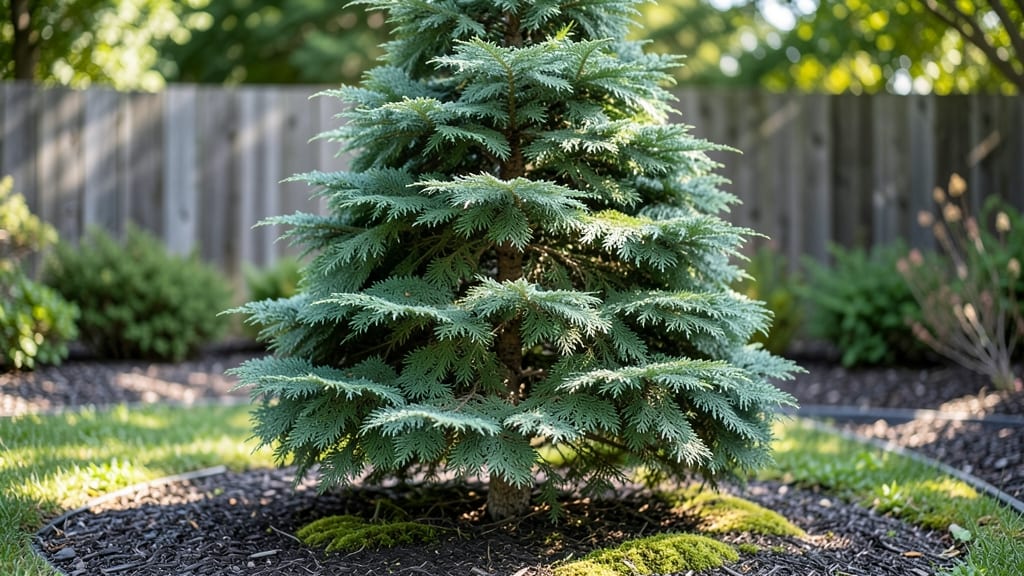
My front yard’s hardy cedar tree plants—including a Western Red Cedar—have outlasted other evergreens since 2015, thriving where frost would defeat them. These trees aren’t just tough; they’re the backbone of native forests, offering shade, wildlife habitat, and that signature cedar aroma that lingers in the air after rain.
You’ll need well-draining soil (even sandy spots work), 6+ hours of sunlight daily, and space to grow—10-15 feet wide for mature trees. Container planting is possible for smaller varieties, though roots prefer room to stretch. The key? Avoid soggy soil; cedars hate "wet feet" more than anything else.
Within 3-5 years, you’ll see dense, feathery foliage that stays green year-round, plus those iconic purple-brown cones that birds adore. Prune only to shape—cedars resent heavy cutting. The best part? These trees outlive most garden trends, becoming living monuments to patience.
Perfect for hedges, privacy screens, or standalone statement trees. Whether you’re restoring a native landscape or just want a low-maintenance evergreen, this is the guide that delivers. Let’s get those roots in the ground!
📚 In This Guide
- What you need
- Instructions
- Tips and common mistakes
- Wrapping up and next steps
What you need
- ● Cedar tree seedlings or saplings: Choose 1-3 Thuja plicata (Western Red Cedar) or Chamaecyparis lawsoniana (Lawson’s Cypress) plants, depending on your space. Opt for 1-3 ft tall, healthy specimens.
- ● High-quality potting mix: 5-10 gallons (for container plants) or 1-2 cubic yards (for in-ground planting). Use a well-draining mix with peat moss, perlite, and compost.
- ● Organic fertilizer: A balanced 10-10-10 or slow-release cedar-specific fertilizer (e.g., Espoma Cedar-Tone). Start with 1-2 lbs per plant.
- ● Mulch: 2-3 inches of cedar chips, pine straw, or wood mulch to retain moisture and regulate soil temperature.
- ● Watering can or hose with a gentle spray nozzle: For consistent moisture without damaging delicate roots.
- ● Garden shovel or spade: For digging holes (1-2 times the root ball’s width).
- ● Garden trowel: For transplanting smaller seedlings.
- ● Pruning shears: Sharp, sterilized shears for trimming dead branches or shaping.
- ● Measuring tape: To ensure proper spacing (10-15 ft apart for mature cedars).
- ● Gloves and knee pads: For comfort during planting.
- ● Soil pH test kit: Cedar trees prefer slightly acidic soil (pH 5.0-7.0). Adjust with sulfur or lime if needed.
- ● Tree stakes and ties: For young saplings in windy PNW areas.
- ● Drip irrigation system: For automated watering during dry spells.
- ● Frost cloth: Lightweight fabric to protect seedlings during unexpected late frosts (💡 Pro Tip: Use only if temps drop below 20°F!).
Step-by-Step guide for planting frost-resistant cedar trees in the Pacific Northwest
Here’s how to establish hardy cedar trees that thrive in the region’s damp, cool climate.
Select the Right Variety for Your Site
For the Pacific Northwest, focus on Western Red Cedar (Thuja plicata) or Alberta Spruce (Picea glauca ‘Conica’)—both handle 20-30°F winters without issue. Western Red Cedar tolerates wet soil and partial shade, making it ideal for rain-heavy areas, while Alberta Spruce thrives in full sun with well-drained soil. Check local nurseries for 1-2 gallon container-grown plants—they establish faster than bare-root stock.
If your yard has poor drainage, opt for Deodar Cedar (Cedrus deodara)—it’s less common but handles occasional waterlogging better than other cedars. Avoid planting near sidewalks or driveways; cedars develop aggressive root systems that can crack concrete over time. Measure your space: mature Western Red Cedars reach 40-60 feet tall, so plan for long-term growth.
Prepare the Planting Site with Proper Soil Amendments
Test your soil’s pH—cedars prefer slightly acidic to neutral (6.0-7.0). If your soil is heavy clay, mix in 2-3 inches of compost and 1 part peat moss into the top 12 inches of the planting hole. For sandy soil, amend with 2 parts topsoil to 1 part compost to retain moisture. Avoid fresh manure; it can burn tender cedar roots.
Dig a hole twice as wide as the root ball but only as deep—cedars dislike being planted too deep, which suffocates roots. Loosen the sides of the hole with a shovel to encourage root spread. If planting in winter or early spring, wait until soil temperatures rise above 40°F to avoid cold shock. Water the hole thoroughly before placing the plant in.
Plant and Stake for Stability
Remove the cedar from its container and gently loosen the root ball if roots are circling. Place the plant in the hole so the top of the root ball sits 1-2 inches above ground level—this prevents rot in heavy rain. Backfill with native soil, tamping lightly every 4 inches to remove air pockets. Water deeply to settle the soil around roots.
Stake only if necessary—cedars have strong taproots that anchor them well. If your site is windy, use two stakes on opposite sides, securing the tree with soft fabric ties (not wire). Water immediately after planting to reduce transplant shock, then mulch with 3 inches of shredded bark (keep mulch 6 inches away from the trunk to prevent rot).
Water and Fertilize for the First Growing Season
Water deeply once a week for the first 6 months, ensuring the soil stays moist but not soggy. Cedars are drought-tolerant once established, but young trees need consistent moisture. Check soil moisture by inserting your finger 2 inches deep—if dry, water thoroughly. Overwatering in winter can lead to root rot, so reduce watering in fall and winter unless soil is bone-dry.
Skip fertilizer the first year—cedars grow slowly and don’t need extra nutrients. In year two, apply a slow-release, balanced fertilizer (10-10-10) in early spring only if the tree shows signs of poor growth (yellowing needles or stunted branches). Prune only to remove dead or crossing branches—cedars self-prune naturally and don’t need heavy shaping.
Tips & tricks for planting frost-resistant cedar trees in the Pacific Northwest
Here’s what I’ve learned from years of planting these hardy trees—details that make all the difference between a thriving cedar and one that struggles.
Variety Selection: When choosing between Western Red Cedar and Alberta Spruce, consider your site’s microclimate. Western Red Cedar’s natural resistance to rot makes it ideal for damp corners of your yard, while Alberta Spruce’s compact growth suits smaller spaces beautifully. For truly waterlogged areas, Deodar Cedar’s tolerance for occasional waterlogging is a game-changer—just be prepared for its slower growth rate compared to native varieties.
Soil Preparation: The soil amendments in Step 2 are crucial, but don’t overlook the importance of thorough mixing. Work the compost and peat moss into the top 12 inches of soil with a garden fork to create a uniform planting medium. I’ve seen too many cedars planted in amended soil that was only mixed superficially—this leads to poor root establishment. For clay-heavy soils, consider adding a handful of perlite to improve drainage while maintaining moisture retention.
Planting Depth: Positioning the root ball with its top 1-2 inches above ground level (as mentioned in Step 3) prevents rot during our region’s heavy winter rains. This subtle elevation allows excess water to drain away from the trunk while keeping the roots snug in the soil. After backfilling, press down gently every 4 inches—this prevents air pockets that could suffocate young roots during establishment.
Winter Planting: If you must plant in winter, wait until soil temperatures rise above 40°F to avoid cold shock—a lesson I learned after losing two young cedars in particularly harsh winters. For late-winter planting, consider wrapping the root ball in burlap before planting to provide additional insulation. This extra protection gives young trees a better chance to establish before spring growth begins.
Pro Tips for Cedar Tree Plants
- Here’s what I’ve learned from years of planting these hardy trees—details that make all the difference between a thriving cedar and one that struggles.
- Variety Selection: When choosing between Western Red Cedar and Alberta Spruce, consider your site’s microclimate.
- Soil Preparation: The soil amendments in Step 2 are crucial, but don’t overlook the importance of thorough mixing.
Frequently asked questions
Got questions about growing cedar tree plants in the Pacific Northwest? You’re not alone! Here are answers to the most common concerns—from planting tips to frost resilience and beyond.
When is the best time to plant cedar trees in the PNW?
The ideal window is early spring (March–April) or fall (September–October). These times let roots establish before summer heat or winter frost. Avoid planting in extreme cold or drought—cedars hate soggy roots but also need consistent moisture while settling in!
How cold-hardy are cedar trees, and do they survive PNW winters?
Most PNW cedars (like Thuja plicata or Chamaecyparis lawsoniana) thrive in USDA Zones 5–8, handling temps down to -20°F (-29°C). Young trees may need winter mulch (3–4 inches of wood chips) to protect roots. Evergreens like cedars also benefit from light snow cover—it acts like a blanket!
Can I grow cedar trees in containers, or do they need ground planting?
Yes! Dwarf varieties (e.g., ‘Golden Globe’ or ‘Tiny Tim’) thrive in 15+ gallon containers with drainage holes. Use well-draining potting mix and repot every 2–3 years. For larger cedars, ground planting is best—they spread roots widely and need space (10–20 feet apart for mature trees).
What pests or diseases should I watch for with cedar trees?
Common culprits include:
- Cedar bark beetles: Look for tiny holes or sawdust-like frass. Prune infested branches in late winter and dispose of them.
- Root rot: Caused by overwatering or poor drainage. Ensure soil drains well and avoid soggy spots.
- Bagworms: These caterpillars spin silk nests. Spray with neem oil or handpick in early fall.
Healthy trees resist pests better—fertilize lightly in early spring with acidic, organic compost.
Are there fast-growing cedar varieties for quick privacy screens?
If speed matters, opt for:
- ‘Green Giant’ Arborvitae: Grows 3–5 feet/year (reaches 30–40 ft tall).
- ‘Emerald Green’ Thuja: Slower (12–24”/year) but dense and deer-resistant.
- ‘Yellow Ribbon’ Leyland Cypress: Hybrid with cedar-like foliage; grows 3–4 feet/year.
Pro tip: Plant in double rows for faster, thicker screens!
Wrapping up and next steps
Growing cedar tree plants in the Pacific Northwest is a rewarding way to enhance your landscape with hardy, frost-resistant beauty! Whether you’re drawn to the majestic Western Red Cedar or the elegant Incense Cedar, these varieties thrive in your region’s climate while offering year-round charm.
With the right soil, sunlight, and care, your cedar trees will flourish for decades—providing shade, wildlife habitat, and timeless appeal.
Ready to plant? Start small—choose a sapling from a trusted nursery, prepare your site, and give it the love it deserves. Your future backyard oasis (or forest!) begins with that first shovel full of soil. 🌲✨