
Size
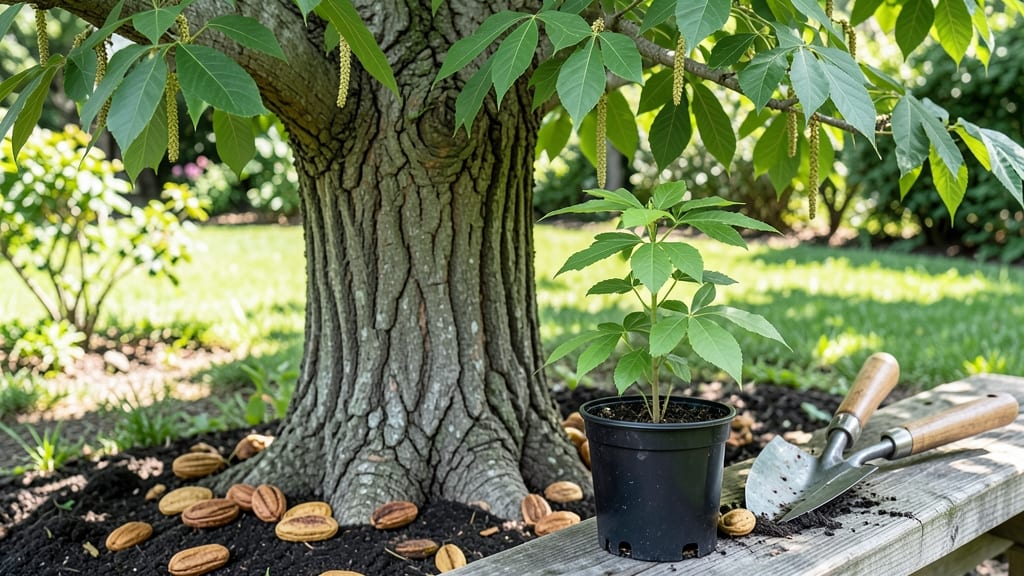
Growing pecan nut trees in the Pacific Northwest starts with the right variety—one that thrives in cooler climates and wetter winters. 🌱 I’ve learned that choosing a cold-hardy cultivar like ‘Western Schley’ or ‘Moapa’ makes all the difference, especially when those winter winds can test even the toughest trees.
These varieties aren’t just survivors; they produce rich, buttery nuts that taste like a Southern summer, even in our misty skies.
The secret to success lies in the soil and site. Pecans demand well-draining, slightly acidic soil with a pH between 6.0 and 7.0, and they need full sun—at least 8 hours a day—to set those iconic nuts.
If your yard has heavy clay or soggy spots, amend the soil with compost or plant on a mound to keep roots happy. And here’s the kicker: patience. These trees grow slow but strong, taking 5-10 years before they bear their first serious harvest.
Once planted, focus on consistent watering—deep soaks once a week during dry spells—and prune in late winter to remove dead wood and shape the canopy. The payoff? A tree that lives for decades, rewards you with pounds of nuts per season, and becomes the centerpiece of your orchard.
Just watch for pecan scab and aphids, which love our damp climate, and treat them early with horticultural oil or neem spray.
This isn’t just gardening—it’s a long-term investment in shade, beauty, and homegrown treats. Whether you’re starting from seed or a sapling, the key is to give your tree the care it needs now so it can thrive for generations. Let’s get those roots growing!
📚 In This Guide
- What you need
- Instructions
- Tips and common mistakes
- Wrapping up and next steps
What you need
- ● Pecan tree saplings: Choose cold-hardy varieties like ‘Desirable,’ ‘Western Schley,’ or ‘Moore’ (zones 6-8). Buy from a reputable nursery (1-2 trees per 200 sq ft).
- ● Well-draining soil: Test soil pH (ideal: 6.0–7.5). Amend with 2–3 inches of compost or aged manure per planting hole.
- ● Planting tools: Shovel (for digging holes 3x wider and deeper than the root ball).
- ● Garden trowel (for loosening roots).
- ● Wheelbarrow (for mixing soil amendments).
- ● Mulch: 3–4 inches of wood chips or straw (keep 6 inches away from the trunk).
- ● Drip irrigation or soaker hose: 1/2-inch tubing with emitters (1–2 per tree).
- ● Fertilizer: Balanced 10-10-10 (spring) + micronutrients (zinc, manganese) for young trees.
- ● Pruning tools: Bypass pruners ($15–$30) + loppers for mature branches.
- ● Tree supports: Stakes + tree tie straps (for young trees in windy PNW areas).
- ● Pest control: Neem oil (organic) or horticultural oil (for aphids, pecan weevils).
- ● Soil moisture meter: ($10–$20) to monitor drought-prone PNW summers.
- ● Frost cloth: (for young trees in late spring/early fall).
Step-by-Step guide to growing pecan trees in the Pacific Northwest
Here's how to grow hardy pecan trees that thrive in our cooler, wetter climate.
🌱 Step 1: Choose the Right Variety for Your Zone
Not all pecan varieties handle Pacific Northwest conditions well. Look for cold-hardy cultivars like 'Western Schley' or 'Moapa' that tolerate temperatures down to 10°F. These varieties produce nuts reliably even in our shorter growing seasons. I always check the USDA hardiness zone map to confirm my location matches the tree's tolerance—this prevents costly mistakes.
You'll want to purchase 1- to 2-year-old bare-root trees from a reputable nursery. These establish faster than seeds, which can take 10+ years to bear nuts. Handle the roots carefully when you receive them—wrap them in damp burlap if you can't plant immediately. The goal is to minimize root damage before they go into the ground.
🪴 Step 2: Plant in Well-Drained Soil and Full Sun
Pecan trees demand full sun (at least 6-8 hours daily) and well-draining soil—critical in our region's wet winters. If your soil is heavy clay, amend it with 3-4 inches of compost mixed into the top 12 inches of soil. I like to dig a hole twice as wide as the root ball but only as deep as the roots sit in the container.
Position the tree so the top of the root ball sits 1-2 inches above ground level. This prevents water from pooling at the base and rotting roots. Backfill with native soil, tamp gently, and create a watering basin around the base to hold irrigation. Mulch with 2-3 inches of wood chips, keeping it 6 inches away from the trunk to avoid moisture buildup.
☀️ Step 3: Water Deeply and Protect from Wind
Water deeply once a week during the first growing season—10-15 gallons per tree—until the soil is 6 inches deep and moist. Overwatering in our damp climate leads to root rot, so let the top 2 inches of soil dry out between waterings. I use a soaker hose to deliver water slowly at the base, avoiding wetting the leaves.
Pacific Northwest winds can stress young trees. Install a windbreak (like a temporary fence or evergreen barrier) on the north and west sides of the tree. Pecans need steady growth to develop strong branches for nut production. Watch for yellowing leaves—this often signals overwatering or poor drainage. Adjust your watering schedule if you see this happen.
✂️ Step 4: Prune for Structure and Nut Production
Prune in late winter (January-February) while the tree is dormant. Remove dead, crossing, or weak branches first—these compete for energy. I aim to create an open-center canopy that allows sunlight to reach the center, where most nuts form. Cut back suckers (shoots growing from the base) immediately, as they drain energy from nut production.
For the first 3 years, focus on shaping the tree rather than harvesting nuts. After that, thin out some branches to reduce competition—this boosts nut size and quality. Avoid heavy pruning in summer, as it stresses the tree during our hot (but brief) growing season. Always sterilize pruning tools with rubbing alcohol to prevent disease spread.
Tips & tricks for Pacific Northwest pecan tree success
Growing pecan trees in our region takes some extra care—but these tricks will help you avoid the common pitfalls that trip up beginners.
Variety Selection: When choosing between 'Western Schley' and 'Moapa', I always go with 'Moapa' for our climate. It handles our wet winters better and still produces reliably in Zone 7. If you're in the cooler parts of the PNW, check the USDA map—some areas dip below 10°F, so you might need to add a windbreak even for these cold-hardy varieties.
Soil Prep Strategy: For that 3-4 inches of compost in Step 2, I recommend mixing in some sand if your native soil is particularly dense. This creates better drainage right from planting. The goal is to mimic the loose, sandy soils pecans prefer naturally—especially important after our heavy winter rains. I also like to add a handful of mycorrhizal fungi to the planting hole to help roots establish faster.
Watering Wisdom: That 10-15 gallons per week might seem like a lot, but remember we're dealing with a tree that naturally grows in hot, dry climates. The key is deep watering—not frequent light watering. I set up my soaker hose on a timer for 20 minutes twice a week, which delivers about 12 gallons total. This prevents the top 2 inches from staying soggy while keeping roots hydrated.
Pruning Pro Tip: In Step 4, when you're removing those suckers, don't just cut them off at the base. Cut them at a 45-degree angle about 1/4 inch above a bud. This encourages better regrowth and prevents disease from entering through fresh cuts. I also mark my pruning schedule on my calendar—January 15th is my reminder to get this done before buds start swelling.
Pro Tips for Pecan Nut Trees How To Grow
- Growing pecan trees in our region takes some extra care—but these tricks will help you avoid the common pitfalls that trip up beginners.
- Variety Selection: When choosing between 'Western Schley' and 'Moapa', I always go with 'Moapa' for our climate.
- Soil Prep Strategy: For that 3-4 inches of compost in Step 2, I recommend mixing in some sand if your native soil is particularly dense.
Frequently asked questions
Got questions about growing pecan nut trees in the Pacific Northwest? You’re not alone! Here are answers to the most common concerns—from timing and care to troubleshooting—so you can cultivate a thriving orchard with confidence.
How cold can pecan trees tolerate in the PNW?
Most pecan varieties thrive in USDA Zones 6-9, but Pacific Northwest growers should choose cold-hardy cultivars like ‘Desirable’ or ‘Western Schley.’ While young trees need protection from hard freezes (below 10°F), mature trees can handle brief dips to 15°F with proper mulching and microclimate strategies (e.g., windbreaks).
When is the best time to plant pecan trees in the PNW?
Plant bare-root trees in late winter or early spring (February–March) while the ground is workable but before buds swell. Container-grown trees can go in until mid-October, but avoid planting in summer heat—roots need time to establish before PNW’s wet winters arrive. Choose a sunny, well-drained spot with at least 6–8 hours of light daily.
What pests or diseases should I watch for in the PNW?
PNW growers often battle aphids, pecan weevils, and scab fungus. Prevent weevils by removing fallen nuts and using row covers during harvest. For scab, prune for airflow and apply copper fungicide in spring. Scale insects and borers are less common but can appear in stressed trees—keep an eye on honeydew trails or sawdust-like frass.
Can I grow pecan trees from nuts I buy at the store?
Technically yes, but commercial pecans are often hybridized or treated to prevent sprouting. For best results, save nuts from a local, untreated tree (like a neighbor’s or nursery-grown). Soak the nut in water for 24 hours, plant 2–3 inches deep in sandy soil, and keep it moist—germination can take 2–3 months. Be patient, and expect 10+ years for nut production!
How much water do pecan trees need in the PNW’s rainy climate?
While PNW’s rain helps, young trees (1–3 years) need consistent moisture—water deeply 1–2 times per week during dry spells. Mature trees are drought-tolerant but produce better with regular watering during nut fill (July–August). Avoid waterlogging: improve drainage with raised beds or sand amendments if your soil stays soggy.
Why aren’t my pecan trees producing nuts?
Common culprits include young age (trees need 5–10 years), lack of pollination (plant two compatible varieties), or environmental stress (poor soil, pests, or extreme weather). Check for male and female flowers (they appear separately!), test soil pH (6.0–7.0 ideal), and ensure full sun. If trees are healthy but still bare, they may just need more time!
Wrapping up and next steps
Growing pecan nut trees in the Pacific Northwest is absolutely doable—even with its cooler climate! 🌱 With the right variety, location, and care, you’ll be on your way to harvesting sweet, crunchy pecans in just a few years. Start small, stay patient, and let nature do the rest.
Now that you’re armed with climate-proofing secrets, why not take the next step? Research local nurseries for young trees, sketch out your orchard layout, or even join a gardening group for tips from fellow PNW growers. Happy planting—your future pecan pie awaits! 🥧