
Blooming
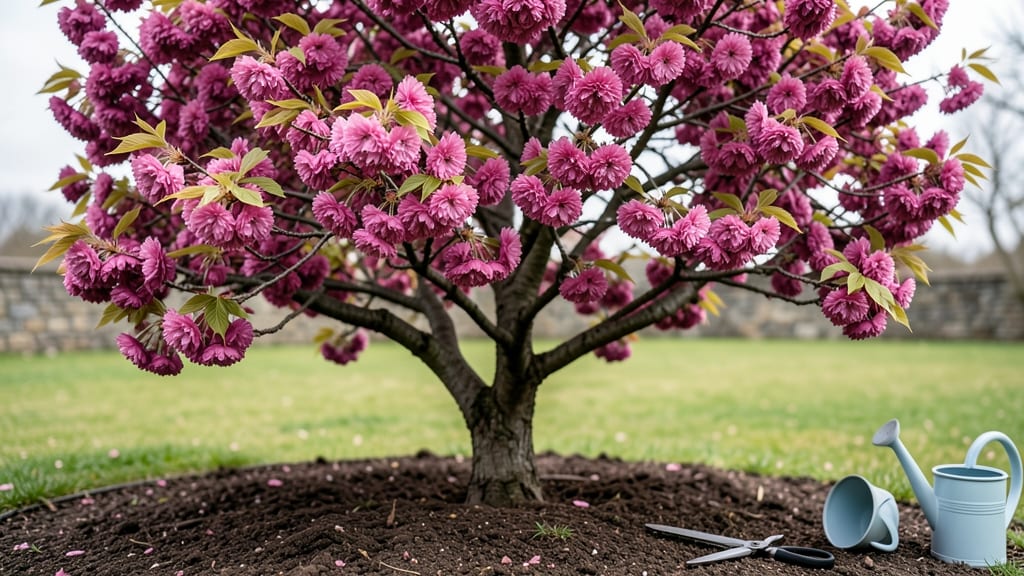
Early blooming spring trees transform your garden into a vibrant canvas before summer even arrives. 🌸 I planted my first cherry blossom tree five years ago, and every March, it delivers that jaw-dropping display of pink and white that makes neighbors stop and stare.
The secret isn’t just picking the right varieties—it’s understanding their unique needs for timing, sunlight, and frost protection that most gardeners overlook.
These trees thrive when planted in late fall or early spring, giving roots time to establish before summer heat arrives. Varieties like Yoshino cherry, serviceberry, and redbud bloom earliest, while magnolias and dogwoods follow suit within a few weeks.
The key is matching your climate zone to the right species—some handle late frosts better than others, and pruning at the wrong time can delay or even prevent flowering.
What you’ll get is a garden that feels like spring arrived early, with layered blooms that transition from delicate pinks to deep purples as summer approaches. The fragrance alone—especially from magnolias—can fill your yard for weeks.
With proper care, these trees reward you with decades of color, attracting pollinators and adding structure to your landscape.
Whether you’re designing a small urban yard or a sprawling countryside garden, early bloomers create the perfect foundation. The next step? Choosing varieties that suit your hardiness zone and learning the simple care routines that keep them thriving year after year.
📚 In This Guide
- What you need
- Instructions
- Tips and common mistakes
- Wrapping up and next steps
What you need
- ● Early blooming tree saplings: Choose from varieties like Prunus serrulata (cherry blossom), Magnolia stellata, or Crabapple trees. Select 3–5 healthy saplings (3–5 ft tall) for a balanced look.
- ● High-quality potting soil or native soil mix: 5–10 gallons (depending on sapling size). Ensure it’s well-draining with a pH of 6.0–7.0.
- ● Organic compost or slow-release fertilizer: 1–2 lbs (e.g., 10-10-10 or a tree-specific blend). Avoid synthetic fertilizers for the first planting season.
- ● Mulch (wood chips or shredded bark): 2–3 cubic feet to retain moisture and suppress weeds.
- ● Garden gloves and knee pads: For comfort during planting.
- ● Watering can or hose with a gentle spray nozzle: 5+ gallons of water per sapling for initial watering.
- ● Pruning shears (sterilized): For trimming dead branches or shaping.
- ● Shovel or tree spade: For digging holes 2–3 times wider than the root ball.
- ● Measuring tape: To ensure proper spacing (15–25 ft apart for mature trees).
- ● Garden stakes and twine: For temporary support if planting in windy areas.
- ○ pH testing kit (optional but helpful): To check soil acidity before planting.
- ● Tree guard or protective barrier: 1–2 units to shield young trees from pests or lawn equipment.
- ● ✅ Sunlight assessment: Ensure your chosen planting area gets full sun (6+ hours/day) for most early bloomers.
- ● ✅ Soil test: Conduct a basic soil test (or use a DIY kit) to check drainage and nutrient levels.
- ● ✅ Weather check: Plant on a cool, cloudy day (avoid frost or extreme heat).
- ● ✅ Local regulations: Verify if your area requires permits for tree planting (especially in urban zones).
How to design a stunning early spring tree display
Here’s how to create a vibrant, layered spring scene that pops with color before summer even arrives.
🌱 Step 1: Select Trees That Bloom at Different Times
Start with a mix of early bloomers like redbud, serviceberry, and magnolia, which burst into color in late winter or early spring. Pair them with mid-season bloomers like dogwood or cherry blossoms for a staggered, continuous show. I like to sketch a rough layout first—place taller trees at the back and shorter ones in front so all blooms are visible.
Check bloom times on plant tags or nursery websites. You’ll want at least one tree blooming every 2-3 weeks to keep the garden lively. For example, redbuds bloom in early spring, followed by magnolias, then dogwoods. This ensures your display never looks bare.
☀️ Step 2: Plant in Sunlight and Well-Draining Soil
Most early blooming trees thrive in full sun to partial shade—at least 6 hours of sunlight daily. If your yard has shady spots, opt for varieties like serviceberry, which tolerates lighter conditions. Dig holes twice as wide as the root ball but no deeper to avoid burying the trunk.
Amend the soil with 2-3 inches of compost mixed into the planting hole. Early bloomers often struggle in heavy clay or waterlogged soil. Tap the tree gently into place once planted, then water deeply to settle the roots. You’ll know it’s right when the soil surface looks slightly damp but not soggy.
💧 Step 3: Water Deeply and Mulch for Retention
Water once a week for the first month, then taper to every 10-14 days once established—unless your area has extreme heat or drought. Deep watering encourages strong root growth. I use a soaker hose to deliver moisture slowly without disturbing the soil.
Spread 2-3 inches of mulch around the base (but keep it 6 inches away from the trunk). Mulch retains moisture, regulates soil temperature, and suppresses weeds. Replenish it annually—this keeps the roots happy and the blooms vibrant.
✂️ Step 4: Prune After Blooming for Next Year’s Flowers
Wait until after the flowers fade to prune—this ensures you don’t cut off next year’s buds. Remove any dead, crossing, or weak branches first. Then, shape the tree lightly to open the center for better airflow and sunlight penetration.
For spring bloomers, prune in late spring or early summer—never in fall or winter. You’ll see stronger growth and even more dramatic blooms the following year. Just avoid heavy pruning; these trees rely on last year’s growth to produce flowers.
🌿 Step 5: Add Companion Plants for Layered Interest
Fill gaps between trees with spring bulbs like daffodils or tulips—they bloom early and add pops of color before the trees leaf out. Perennials like hellebores or bleeding hearts also work well, as they thrive in the same conditions and extend the season.
Space bulbs 3-4 inches apart and plant perennials 12-18 inches from tree trunks. This creates a lush, multi-layered look that keeps the garden lively from late winter through early summer. The key is balancing heights and bloom times for a seamless transition.
Tips & tricks for perfect early spring tree displays
Creating a showstopping spring garden doesn't have to be complicated—just a few strategic moves make all the difference. Here's how to elevate your design from pretty to spectacular.
Bloom Timing Strategy: The key to continuous color lies in spacing bloom times every 2-3 weeks as mentioned in Step 1. I recommend adding a calendar reminder to track each tree's bloom window—this prevents gaps where your garden might look bare. For example, plant redbuds (early March) alongside magnolias (late March) and dogwoods (April), then add late bloomers like lilacs for May color.
Soil Prep Secret: Before planting, test your soil's drainage—early bloomers hate soggy roots. If your yard has heavy clay, mix in 2-3 inches of compost (as instructed in Step 2) and consider adding a layer of coarse sand to improve drainage. I've seen trees struggle in compacted soil, even with proper watering—this simple step makes a huge difference in root health and bloom quality.
Watering Wisdom: The once-a-week watering for the first month in Step 3 is non-negotiable, but here's the pro move: water in the early morning to reduce evaporation. Use a rain gauge to measure exactly 1 inch of water per session—this prevents both underwatering and overwatering. For established trees, I've found that deep watering every 10-14 days (as specified) works best, but adjust if your area has extreme heat or drought.
Companion Plant Placement: When adding spring bulbs and perennials in Step 5, think vertically as well as horizontally. Plant taller bulbs like tulips behind shorter ones like crocuses, and tuck hellebores near tree bases where they'll get dappled shade. This creates natural layers that make your display look intentionally designed rather than randomly planted.
Pro Tips for Early Blooming Spring Trees
- Creating a showstopping spring garden doesn't have to be complicated—just a few strategic moves make all the difference.
- Bloom Timing Strategy: The key to continuous color lies in spacing bloom times every 2-3 weeks as mentioned in Step 1.
- Soil Prep Secret: Before planting, test your soil's drainage—early bloomers hate soggy roots.
Frequently asked questions
Got questions about early blooming spring trees? You’re not alone! Here are some of the most common queries—and their answers—to help you plan your garden with confidence.
When do early blooming spring trees actually start flowering?
Timing varies by species, but most early bloomers like Magnolia, Cherry Blossom, or Dogwood burst into color between late February and April, depending on your climate zone. Warmer regions may see blooms as early as January, while colder areas might wait until April. Check your local frost dates to avoid late frosts damaging delicate flowers!
How do I choose the best early blooming trees for my yard?
Consider your USDA hardiness zone, sunlight exposure, and soil type. Dwarf varieties (like Japanese Maple) work well for small spaces, while larger trees (e.g., Redbud) thrive in open areas. Research disease-resistant cultivars—like ‘Autumn Brilliance’ Serviceberry—to minimize maintenance. Local nurseries can offer tailored recommendations!
Can I plant early blooming trees in late fall or winter?
Yes! Planting in late fall (after leaf drop) or early winter gives roots time to establish before spring growth. Just avoid freezing ground—bare-root trees are ideal for winter planting. Water deeply before the first hard frost, and mulch to protect roots. Spring planting (March–April) is also great if you miss the window!
What should I do if my early blooming tree isn’t flowering?
Several factors could be at play:
- Age: Young trees (under 3–5 years) may not bloom yet.
- Pruning: Over-pruning or cutting back blooms can reduce flowers.
- Stress: Poor soil, drought, or pests (like spider mites) can stifle blooms.
- Light: Some trees need full sun (6+ hours/day).
Are there low-maintenance alternatives to traditional early bloomers?
Opt for native species like Eastern Redbud (drought-tolerant) or Fringe Tree (adaptable soil). Weigela or Viburnum are also hardy and require minimal pruning. For pollinator-friendly choices, Crabapple varieties offer both color and wildlife support—just be mindful of their fruit mess!
Wrapping up and next steps
Early blooming spring trees bring a burst of color and life to gardens, proving that nature’s best art arrives early! Whether you’re a seasoned gardener or just starting, these vibrant trees offer low-maintenance beauty and a head start on seasonal joy. 🌸
Ready to transform your outdoor space? Start small—plant a single standout tree or plan a layered display for maximum impact. Visit a local nursery, sketch your garden layout, and watch your vision bloom before summer even arrives!